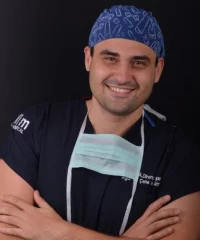
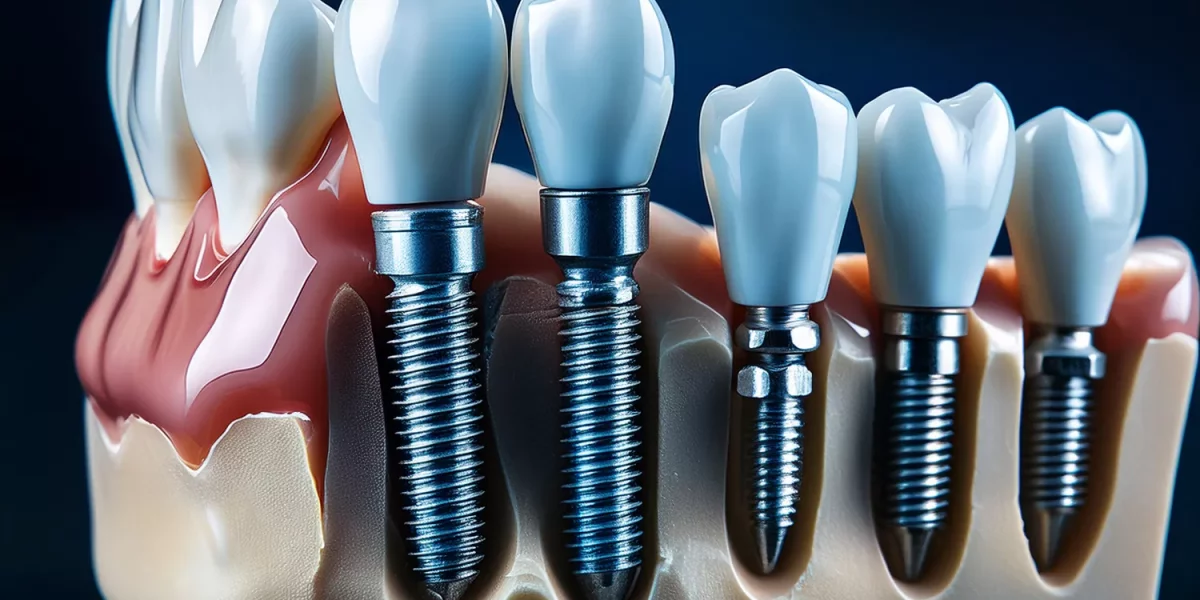
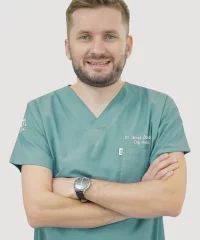
Réitigh Forleathan in Bursa, Tuirc le Gallchumann Beathach agus Maxillofacial Ali Direnç Ulaşan
“Ní leor cnámh agat le haghaidh implantáilte fiacla.”
Más é do shruth an abairt seo roimhe seo, cuimhnigh go díreach cá raibh tú suí, cén chaoi a bhfaca an seomra, agus conas a thit do chroí. B'fhéidir go raibh aisling agat blianta fada faoi fháinní seasmhaigh in ionad fiacla scoilte. B'fhéidir go ndearna tú turas fada le haghaidh comhairle, ach a fhaighte go raibh “cnámh” ann agus nach raibh implantáilte “indéanta”.
Chuamar amach leis an dífhostaíocht chéanna, an inwards theachbheag céanna nuair a ghluaiseann sí ag labhairt, agus an eagla céanna go ngearrfaí tú mar seo go deo.
Más é seo do scéal, is í sin an duine atá díreach le haghaidh an alt seo.
Ag MilimDental i Bursa, Tuirc, feicim othair cosúil leatsa seachtainiúla—othair a bhfuil luaite go bhfuil cnámh fiacla gan leor, othair le caillteanas cnámh dhian, othair a bhfuil fiacla scoilte orthu le fada an lá agus a luaitear nach bhfuil ionadaíocht fiaclóireachta le haghaidh.
Is é an fhírinne níos dóchasach: i ndiaigh leighis implantí nua-aimseartha, is minic ”nó cnámh gan leor” ciallaíonn “nascán implantáilte traidisiúnta”, ní “gan implantáilte ar fad”.
Taispeánfaidh é seo cúis cén fáth—agus conas.
Samhlaigh seo:
Tá thíos leabharlann comhairle tar éis blianta de stróicí ar mhondáin loite. Tá tuirse ort den ghreamaigh, na pointí gortaithe, agus do bhoilg na mbéil shonrach. Sábhálann tú airgead, téann tú ar laethanta saoire ón obair, agus suíann tú sa chathaoir lán dóchais.
Tá an scrúdú le feiceáil ar an scáileán. Míníonn an fiaclóir agus deir:
“Fung iad, tá tionchar ró-mhór ar chnámh. Níl go leor cnámh gáis don fhiaclóireacht. Is é an rogha is fearr ná fanacht le do mhondán.”
Bíonn tú ag ceannaireacht, ach istigh i do chroí mothaíonn tú:
Fearg go n-athraíonn duine na rabhadh duit go gcuirfidh dentures seo i bhfeidhm
Féaraí, mar má dhéanann tú rudaí riachtanacha
Scanraithe go bhféadfadh tú a bheith in ann ithe úll nó smál fhoréigneach a bheith agat arís
Ansin, faigheann tú ort féin ar líne san oíche, ag cuardach:
“no bone dental implants”
“bone loss jaw bone dental implants”
“full mouth dental implants in Turkey”
“zygomatic implants for no bone”
Tosaíonn tú ag smaoineamh: An bhfuil réiteach ann i ndáiríre, nó nach bhfeicim ach an t-specialista ceart?
Nuair a deir fiaclóir go bhfuil “no bone” nó “not enough bone for implants”, de ghnáth ciallaíonn siad:
Tá cailliúint shuntasach ar chnámh sa chnámh uachtarach nó íochtarach
Tá an chnámh fiaclóireachta atá fágtha ró-thin nó ró-íseal chun na fliucháin chaighdeán a chur i bhfeidhm sa ghnáth modh
Tá riosca locht nó trioblóideach ar ardán úsáid a bhaint as na modhanna atá eolach orthu
This does not always mean that all types of dental implants are impossible. It often means that your case requires:
More advanced planning
Different types of implants (for example, zygoma implants / zygomatic implants)
Full arch solutions like All-on-4 or All-on-6
The expertise of an oral and maxillofacial surgeon familiar with severe bone loss.
Bone is living tissue. It responds to function. When teeth are lost and not replaced with implants, the jaw bone no longer receives the stimulation it needs, and it begins to shrink.
Common reasons for bone loss include:
Long-term use of removable dentures
Advanced gum disease (periodontitis)
Trauma, fractures, or previous surgery
Old infections around teeth
Natural resorption over the years after extractions
In the upper jaw, the maxillary sinus can slowly expand (sinus pneumatization), further reducing the available bone height for conventional implants.
Most general dental clinics are comfortable placing implants in stândard situations, where there is enough bone height and width. When a patient presents with severe bone loss, they might honestly feel that implants are not possible for them to place safely.
So they say:
“Your bone is too thin.”
“You have no bone in the upper jaw.”
“You are not a candidate for implants.”
They are trying to protect you—but they might not be aware of the more advanced techniques and systems that specialists use every day for “no bone” situations.
The good news is that implant dentistry has evolved significantly. Today, there are advanced solutions designed specifically for patients with severe bone loss who were told they have no bone.
Even when the bone looks “hopeless” on a simple X-ray, a detailed 3D scan often reveals regions of jaw bone that can still support dental implants if used strategically.
Careful planning with 3D imaging allows us to:
Find and use dense bone areas (for example, in the front of the jaw)
Tilt implants to engage more bone while avoiding delicate structures
Design All-on-4 or All-on-6 full arch solutions using fewer, but stronger, strategically placed implants
In some cases, bone grafting is an excellent option:
Sinus lift procedures can create more bone height in the upper jaw
Block grafts or particulate grafts can increase bone width
After healing, conventional implants can be placed in a more favourable environment
These techniques are powerful—but they are not the only solutions, especially in patients with extreme bone loss, long-term dentures, or medical conditions that make multiple surgeries less ideal.
All-on-4 and All-on-6 are modern full arch concepts where:
4 or 6 dental implants are placed in each jaw
These implants are strategically angled to take maximum advantage of available bone
A fixed full arch bridge is attached to the implants, often on the same day or shortly after surgery
For many “no bone” patients, All-on-4 and All-on-6 in combination with advanced techniques can transform a mouth that seemed “impossible” into a stable, fixed solution.
For patients with extreme bone loss in the upper jaw, particularly after years of dentures or multiple failed grafts, zygoma-implants (also called zygomatic-implants) can be life-changing.
Zygomatic implants:
Anchor into the zygomatic bone (cheekbone), which is very dense and strong
Bypass the thin or missing bone in the upper jaw
Allow fixed full arch teeth even when traditional sinus lifts and grafts are not possible or have failed
These procedures are complex and must be performed by an experienced oral-and-maxillofacial-surgeon with specific training in advanced implant techniques. At MilimDental in Bursa, zygoma implants and combined full arch solutions are part of our advanced toolkit for “no bone” patients.
I am Ali Direnç Ulaşan, an oral-and-maxillofacial-surgeon and founder of MilimDental in Bursa, Turkey. My background combines:
Medical and dental training
Surgical expertise in the jaws and facial skeleton
Years of experience in complex extractions, jaw surgery, and advanced implantology
Agus MilimDental, dhá réir linn féin behave, díriú ar:
Uainníríocht agus athchóiriú úsáideach den bhéal iomlán
“Níl cnámh” agus cásanna níos déine de cailliúint cnámh
Réitigh ar nós All-on-4, All-on-6, zygomatic implants, agus bealaí chun implants ardeirithiúla eile
Fáilte mart againn leis na hothair éagsúla amháin ó Bursa agus tríd uile Tuirc, chomh maith le hothair idirnáisiúnta ag lorg full mouth dental implants in Turkey.
Chun na cásanna an-rioscaigh agus corraitheach a bhainistiú, tá ról tábhachtach ag pleanáil. Ag MilimDental, úsáidimid:
scananna CBCT 3D chun an cnámh béal a anailísiú go mion
Bogearraí pleanála digiteach chun suíomhanna implant a shamhailiú
Treoirí oibríochta nuair is lú riachtanach chun an plean a aistriú go cruinn chuig an bhéal
Cuireann an teicneolaíocht seo ar chumas:
Laghdaigh baol na mbogann
Déanann coinníoll maidir le suíomh agus uillinn na n-implant a shocrú
Ligeann sé seo am oibríochta a bhreisléid
Feabhsaíonn seasamh agus fad saoil do do phróiseas fiacla iomlán
Tuigimid nach bhfuil “níl cnámh” ach muinchuille díospóireachta, tá eagla againn freisin roimh:
Pian le linn agus tar éis an oibríochta
Obair mhór ionrach
Infection agus tréimhsí fada, deacra leighis
Ag MilimDental:
Is tosaíocht faoi smacht ag pianáchas: feicimid an nimhiú áitiúil nua-aimseartha, agus nuair a bhíonn sé oiriúnach, suaimhneas nó nimhiú iomlán i suíomh ospidéil.
Cuireann na protocollanna antaibheathach agus teicníc shaincheaptha scrupallach iallach a chur ar an mbaol ionfhabhtú a íoslaghdú.
Faigheann tú treoracha soiléire, mionsonraithe maidir le cúram baile, leigheas, béilí agus leanúint ar aghaidh.
Tá sprioc againn ní hamháin chun implantáin fiacla a chur i Bursa, ach freisin leat treorú go sábháilte agus go compordach trí gach stáisiún den aisghabháil.
Tosaíonn do thuras go minic ón mbaile:
Déanann tú teagmháil le MilimDental trí ríomhphost, gaireas teileafóin, nó teachtaireacht.
Roinn do X-rays, scans, nó grianghraif má tá siad agat.
Insíonn tú scéal duit: cá fhad is atá tú ag úsáid déantáin fiacla, cad a du teagaí romhat roimhe, agus cad iad na spriocanna atá agat.
De réir an eolas seo, tugaimid tuairim tosaigh duit agus pléimid an bhféadfadh full mouth dental implants in Turkey a bheith réadúil i do chás.
Nuair a shroicheann tú i Bursa, déanaimid:
Úsáid mimeagrafaíocht chóireálach iomlán de do bhéal, an fiacla, agus do bhraighdeanas
Scan CBCT 3D chun mheáin, toirt, agus caighdeán na fiacla / fiacla a mheas go mionsonraithe
Grianghraif agus taifid dhigiteacha le haghaidh pleanála
We then sit together and review the images. You see exactly what we see, and we explain where you have bone, where you have bone loss, and what your options are.
Based on your situation, we may recommend:
All-on-4 or All-on-6 with strategic implant placement
Zygoma implants / zygomatic implants for extreme upper jaw bone loss
A combination of conventional implants and zygoma implants
Bone grafting or sinus lift where appropriate
We will discuss:
The number of visits required
The type of anesthesia (local, sedation, or general)
Expected pain levels after surgery and how we manage them
The stability and appearance of your immediate and final teeth
Financial aspects and payment structure
You leave this meeting with a clear, personalised plan—not vague promises.
On the day of surgery:
You are made comfortable with the agreed form of anesthesia.
The planned implants are placed (conventional, tilted, or zygoma implants as needed).
In many cases, we can attach a fixed temporary bridge on the same day or within a short period, so you leave without removable dentures.
This is often one of the most emotional days for “no bone” patients: after years of being told “it’s impossible,” they stand up with fixed teeth again.
After the initial healing period:
We adjust and monitor your temporary teeth as the tissues settle.
Once the implants are fully integrated, we fabricate and fit your final prosthesis—strong, aesthetic, and custom designed for you.
We schedule regular check-ups (in person or coordinated with your local dentist if you live abroad) to maintain your dental implants and oral health.
With proper care, full arch implant solutions can serve you for many years, restoring not just function but also confidence and quality of life.
Many of our patients at MilimDental travel from the UK, Europe, and the Middle East after hearing “no bone” or “implants impossible” in their home country.
Bursa is a modern, accessible city with a rich history and a calmer atmosphere than some larger cities.
It is well connected by airports and transport links, making travel manageable for international patients.
Accommodation and living costs are typically lower than in many Western European countries, allowing more affordable treatment plans.
You are treated by an experienced oral and maxillofacial surgeon, Ali Direnç Ulaşan, who routinely handles complex bone loss and “no bone” implant cases.
You receive personalised care in a clinic used to working with international patients.
We understand your fears—of travel, of surgery, of failure—and we address them openly with clear communication and structured planning.
When you search for full-mouth-dental-implants-in-turkey or dental-implants-in-bursa, MilimDental is designed to be a destination where “no bone” patients can finally hear a different sentence:
“Yes. You do have options. Let’s plan them carefully.”
Fear: “Will the surgery be incredibly painful?”
Response: With modern anesthesia, sedation options, and appropriate medication, most patients describe discomfort rather than severe pain. We plan pain control proactively, not reactively.
Fear: “What if the implants fail again, like before?”
Response: We use 3D imaging, guided planning, and techniques like zygoma implants and All-on-4/All-on-6 to maximise success. No treatment is 100%, but careful planning and specialist execution significantly improve predictability.
Fear: “What if I get an infection or don’t heal well?”
Response: Sterile technique, appropriate antibiotics, and clear aftercare instructions reduce infection risk. Full arch solutions are designed to give strong function while the tissues heal, and we monitor your progress closely.
Fear: “What if something goes wrong while I’m in another country?”
Response: We build a clear schedule so that the most critical phases are managed while you are in Bursa. We also provide detailed reports and guidance for your local dentist at home, and remain available for remote follow-up.
1. Can I get dental implants if I’ve been told I don’t have enough bone?
In many cases, yes. “No bone” often refers to a lack of bone for conventional implants in standard positions. Advanced solutions such as All-on-4, All-on-6, bone grafting, sinus lift, and zygoma implants may still be possible, especially in the hands of an experienced oral and maxillofacial surgeon.
2. What are zygomatic implants?
Zygomatic implants (zygoma implants) are longer implants anchored into the cheekbone rather than the upper jaw bone. They are used in patients with severe upper jaw bone loss, allowing fixed full arch teeth even when traditional implants are not viable.
3. Are full mouth dental implants in Turkey safe?
Safety depends on the clinic, the surgeon, and the planning—not just the country. At MilimDental in Bursa, advanced diagnostics, 3D planning, strict sterilisation, and specialist surgical expertise are combined to provide safe, predictable treatment for complex cases.
4. Will I leave Turkey with fixed teeth?
In many full arch cases using All-on-4, All-on-6, or zygomatic implants, we can provide a fixed temporary prosthesis shortly after surgery, so you are not left without teeth. The final bridge is placed after healing and integration.
5. How long do full arch implants last?
With proper planning, high-quality materials, good oral hygiene, and regular follow-up, full arch implant solutions can last many years. No treatment can be guaranteed for life, but our goal is to give you a long-term, stable solution and to support you in maintaining it.
Being told “you don’t have enough bone for dental implants” is not the end of the story. It is often just the end of what can be done with basic techniques.
With advanced options like All-on-4, All-on-6, zygoma implants, strategic use of remaining jaw bone, and modern digital planning, many “no bone” patients finally receive the fixed teeth they were told they could never have.
Agus MilimDental i Bursa, Turkey, I, Ali Direnç Ulaşan, on oral and maxillofacial surgeon, a chrúgán ar an dtaobh seo go díreach—othair áitiúil agus idirnáisiúnta ag iompar blianta díomá, eagla, agus múiníní caillte.
Ní gá duit a chinneadh gach rud inniu.
Ní próiseas amháin is gá duit a ghlacadh:
Déan teagmháil le MilimDental i Bursa le haghaidh meastóireacht saineolaí ar do chás “gan cnámh” agus plean saincheaptha le haghaidh instealltaí déama ithreach déanaí.
Féachfaimis ar an méid atá fíor-inmhianaithe do do chrom mutaí, do ghnothach, agus do chaighdeán saoil.
Treoir a mhíníonn minicíocht coinneacha ortadóntacha le linn cóireála le giaranna nó smigíní.

Conas a bh moves na fiacla le linn chóireáil oirthaomainiúil (cinnteoirí/Invisalign)? Foghlaim faoin biolóis na gluaiseachta fiacla, conas a athraíonn an cnámh agus cealla timpeall (láidreachas periodontal) timpeall fréamh na fiacla, agus ról na g₳láigh solas leanúnach.
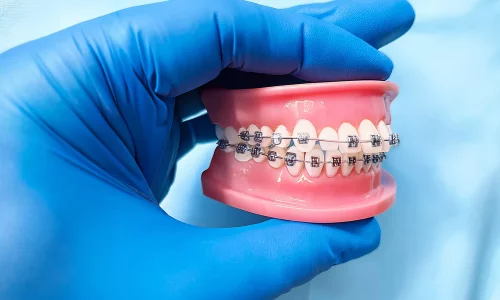
Discover how a failed dental implant can be successfully replaced through proper healing, bone grafting, and advanced planning.
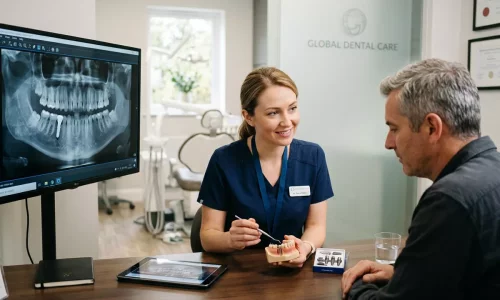
Ní hé Ospidéal Fiacla Milim ach clinic amháin—is é an áit a dtosaíonn aoibhinn d’fhéachaint. Le foireann speisialtóirí den scoth, teicneolaíocht chun tosaigh, agus cur chuige atá dírithe ar na pacáistí, déanann muid cúram fiaclóra a bheith ina thaithí ardchaighdeáin.
Tugaimid tosaíocht do shláinte, compord, agus cóireálacha a deartha go speisialta duitse. Ná lig do chuid focal—déanaigí iniúchadh ar scéalta fíor ó phacáistí fíor.
Tosaíonn do bheocht foirfe anseo. Bí ar an taithí milim.

Ospidéal Fiaclóireachta Milim soláthraíonn seirbhísí fiaclóireachta cuimsithigh i suíomh 1,000 m² leathan, tacaíochta le foireann leathan de ghairmithe fiaclóireachta lena n-áirítear speisialtóirí sa Chéile Má guais céatadóireachta, Prothedontics, Orthodontics, Fiaclóireacht Phéidiatraice agus Periodontics.