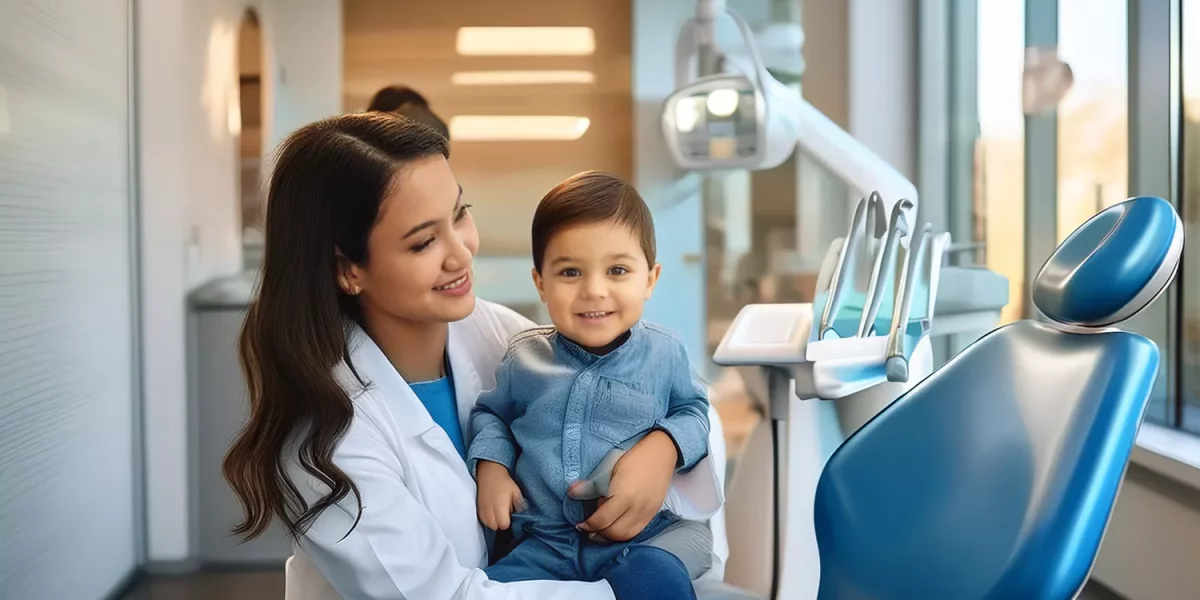
If your child cries, hides or refuses to sit in the dental chair, you are definitely not alone. Dental fear in children is extremely common and in Turkish families often searched as “çocuk diş hekimi korkusu”.
There are several reasons why children may be afraid of the dentist:
Fear of the unknown – Strange smells, sounds, lights and instruments
Previous bad experience – A painful injection, being held down, or feeling not listened to
Parents’ own anxiety – Children read their parents’ body language very well
Stories from friends or siblings – “It hurt a lot!”, “They gave me a big injection!”
Sensitivity to noise and touch – Suction, handpiece, bright lights, keeping the mouth open
The good news is: dental fear is not a life sentence. With the right approach and the right clinic, children can actually feel comfortable – even happy – coming for check-ups. The key is choosing a child-friendly dental clinic in Bursa that truly understands how kids think and feel.
Many clinics say they are “child-friendly” because they have a cartoon poster on the wall or a small toy box. But true pediatric dentistry (pedodontics) is much more than decoration.
A genuinely child-friendly dental clinic in Bursa must be designed around four pillars:
Environment – The physical space
Team attitude and communication – How the staff speak and behave
Clinical methods and pain control – Gentle, step-by-step dentistry
Behaviour management and psychology – Knowing how to build trust
Let’s look at each in detail so you know what to look for when choosing a clinic for your child.
Children decide very quickly whether a place feels “safe” or “scary”. The moment you enter a pediatric dentist in Bursa, pay attention to:
A child-friendly clinic will often have:
A small play corner with books, puzzles or soft toys
Bright but calm colours rather than cold, hospital-style tones
Child-sized seating or cushions
Screens showing cartoons or child-appropriate videos instead of only news channels
The goal is not to overstimulate the child, but to create a space where they feel welcome and distracted rather than stressed.
The typical “dental smell” and drill noises can be triggers. Many child-focused clinics:
Use pleasant, neutral smells
Minimise loud sounds in the waiting area
Play soft background music or cartoons to mask any clinical sounds
If, as a parent, you feel tense the moment you sit down, your child will feel it too. A good child-friendly dental clinic Bursa will consciously manage this.
The heart of any pedodonti Bursa clinic is not the furniture – it is the team.
Look for a dentist who:
Regularly treats children of different ages
Understands child psychology and behaviour
Speaks in simple, positive language
Ask directly:
“How often do you treat children? What is your approach to anxious kids?”
A truly child-oriented dentist will gladly explain their philosophy.
In a Milim Dental çocuk dostu yaklaşımı (child-friendly approach), assistants and nurses:
Introduce themselves to the child, not just to mum or dad
Bend down to the child’s eye level when speaking
Use the child’s name often
Explain what will happen in short, clear sentences
For example, instead of saying,
“Open wide, I need to check your molars,”
they might say,
“Can you show me your biggest lion mouth? I want to count your teeth.”
Certain phrases should never be used with children:
“If you don’t sit still, this will hurt more.”
“Don’t be a baby.”
“Other kids don’t cry like this.”
A child-friendly clinic will never use shaming or threats as “behaviour management”. Respect is non-negotiable.
A key feature of a real pediatric dentist in Bursa is the use of child-centred clinical techniques.
This classic behaviour technique is extremely powerful:
Tell – The dentist explains in child language:
“I’m going to clean your tooth with my special toothbrush. It makes a funny sound but it doesn’t bite.”
Show – The dentist demonstrates on the child’s finger or a toy:
“Look, I will show you on your finger first so you see it doesn’t hurt.”
Do – Only then is the real procedure started in the mouth.
This simple sequence reduces fear because the child knows what to expect and has seen that the instrument is not dangerous.
Fear of the injection is a big part of çocuk diş hekimi korkusu. In a child-friendly clinic:
A numbing gel is applied first to reduce needle sensation
The dentist hides the syringe from the child (no need to show it)
The injection is given slowly and gently, with constant verbal reassurance
The dentist may say things like:
“You might feel some squeezing or a bit of pressure now. If you want me to pause, just raise your hand. You are in control.”
This sense of control is crucial for anxious children.
When doing fillings or root canal treatments on baby teeth, many pediatric dentists use rubber dam (a soft sheet to keep the tooth dry). Used properly, it:
Reduces the risk of instruments or materials going to the back of the throat
Keeps the field dry so treatment is faster and more effective
Helps the child avoid tasting unpleasant materials
A child-friendly dentist will always explain and introduce the rubber dam:
“This is like a little raincoat for your tooth so it doesn’t get wet while I work.”
Understanding child behaviour is as important as understanding teeth.
Instead of focusing on what the child did “wrong”, the dentist and assistants continually highlight:
“You are doing great keeping your mouth open.”
“Wow, you stayed so still while I was counting. That really helped me.”
This positive reinforcement encourages cooperation and builds confidence.
Giving the child a simple stop signal (for example, raising their hand) is very powerful. It teaches:
“If I am uncomfortable, I can signal and the dentist will stop.”
For anxious children, knowing they have control reduces panic and often means they need less interruption in practice, not more.
In a true child-friendly dental clinic Bursa, the first visit for a very anxious child may be limited to:
Meeting the team
Sitting on the chair and going up-down
Counting teeth
Maybe light cleaning – nothing more
This builds trust. Once the child realises “Nothing bad happened”, more complex treatment can follow at the second or third visit.
Parents play a massive role in either calming or amplifying çocuk diş hekimi korkusu.
Common sentences at home like:
“If you don’t brush, the dentist will pull all your teeth out.”
“Behave or I’ll take you to the dentist and they’ll give you an injection.”
These phrases directly program the child to associate the dentist with punishment and pain. Instead, use positive framing:
“We go to the dentist so our teeth stay strong and shiny.”
“The dentist is like a tooth doctor who helps us when something hurts.”
If something does cause mild discomfort, the child may feel betrayed and lose trust. Better phrases include:
“The dentist will try very hard to make it as comfortable as possible.”
“You might feel a little pinch or pressure, but it will be quick and they will help you the whole time.”
During treatment, avoid:
Interfering with instructions (“Open your mouth!” repeated by both parent and dentist)
Answering questions directed to the child
Standing over the child in a way that feels crowded
Instead, sit where the dentist advises, remain calm and trust the professional. A good pediatric dentist in Bursa will include you in decisions but lead the clinical situation.
When looking for a child-friendly dental clinic in Bursa, watch for these warning signs:
Staff seem impatient or annoyed when your child cries
No time is given for your child to adapt to the environment
The dentist uses threats, shaming or force to obtain cooperation
There is no clear explanation of what will happen or how pain will be controlled
You feel rushed, unheard or blamed as a parent
If you see these red flags, it may be better to seek a different pedodonti Bursa clinic that aligns with modern, respectful paediatric dentistry standards.
Some children – especially very young kids with extensive decay, strong gag reflex, special needs or extreme anxiety – may not cope with conventional chairside treatment, even in a child-friendly setting.
In such cases, sedation or general anaesthesia might be discussed:
Nitrous oxide (laughing gas) – Mild sedation that reduces anxiety but keeps the child awake and responsive
Oral or IV sedation – Deeper relaxation under strict monitoring
General anaesthesia – Child sleeps completely while all treatment is done at once
These options must always be:
Planned by an experienced team
Performed in a suitable environment with proper monitoring
Clearly explained to parents, with risks and benefits
A clinic that offers or organises such services should show seriousness and safety standards, not treat anaesthesia lightly.
Families in Bursa and surrounding cities often search in Turkish for:
“pedodonti Bursa”
“Bursa çocuk diş hekimi”
“Bursa çocuk dostu diş kliniği”
When choosing among clinics:
Check the clinic’s website: do they have specific pages about children, or just one generic line saying “we also treat kids”?
Look at online reviews: do parents mention how the clinic handled fear and anxiety?
Ask on the phone:
“My child is very anxious. How do you approach fearful children?”
“Do you offer desensitisation/introductory visits before treatment?”
A clinic that truly invests in paediatric care will confidently talk about:
Behaviour management
Gentle anaesthesia techniques
Child-friendly environment
Collaboration with parents
Milim Dental in Bursa has built its reputation in advanced oral & maxillofacial surgery, implantology and digital dentistry. At the same time, the clinic’s philosophy includes a strong focus on family and child-friendly care.
This means:
Respectful, fear-reducing communication with every child
Gentle, step-by-step treatment that matches the child’s emotional level
Integration of modern pain control and behavioural techniques
Emphasis on preventive care so treatment needs – and therefore fear triggers – are reduced over time
For local SEO, your article can naturally include phrases like:
“pedodonti Bursa uzmanları ile çalışan Milim Dental, çocuk dostu yaklaşımıyla diş hekimi korkusunu azaltmayı hedefler.”
“Çocuğunuz diş hekiminden korkuyorsa, Milim Dental çocuk dostu ekibi ile ilk randevuda sadece tanışma ve alıştırma seansları planlayabilir.”
This way, English content reaches international and English-speaking local families, while Turkish keywords (pedodonti Bursa, çocuk diş hekimi korkusu, Milim Dental çocuk dostu) strengthen Google visibility for local searches.
1. Is it normal for my child to cry at the dentist?
Yes. Crying is a normal way for children to express fear or discomfort. A good pediatric dentist will not judge you or your child, and will work gradually to build trust.
2. Can my child’s dental fear get better over time?
Absolutely. With gentle experiences, positive reinforcement and a child-friendly clinic, many children who were once terrified become cooperative and even proud of their visits.
3. At what age should I first take my child to the dentist?
Most guidelines recommend a first visit by the first birthday or within 6 months of the first tooth erupting. Early visits focus on prevention and building a positive relationship, not aggressive treatments.
4. Should I stay in the room during treatment?
In many cases yes, especially at the beginning. However, some children cooperate better when the parent steps out briefly. A skilled pediatric dentist will discuss the best strategy for your individual child.
5. What if my child refuses to open their mouth?
Then the first “treatment” may simply be playing, counting teeth with a mirror or letting them ride up and down in the chair. Forcing the mouth open usually increases fear; a child-centred clinic will never push past the child’s emotional limits.
If your child is afraid of the dentist, you have not failed as a parent. Dental fear is common and treatable. The most important step is to choose a truly child-friendly dental clinic in Bursa – one that understands çocuk diş hekimi korkusu, invests in pedodonti Bursa services and lives the promise of being “Milim Dental çocuk dostu” in everyday practice, not just in marketing.
With patience, the right environment and a specialist team, your child can learn that the dental clinic is not a place of fear, but a place where their smile is protected and their voice is heard.
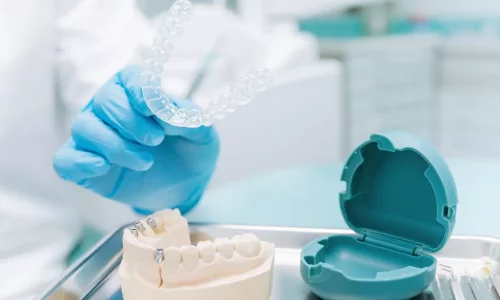
A guide explaining the refinement process in Invisalign treatment and when additional aligners may be needed.
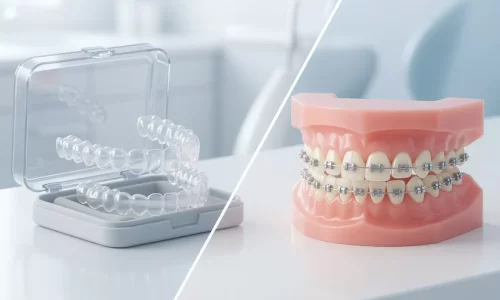
A guide comparing aligners and braces for bite correction and overall treatment effectiveness.
Dental veneers offer numerous benefits, including aesthetic improvement, durability, and minimal invasiveness. They provide quick, long-lasting results that enhance your smile's brightness, straightness, and overall appearance, boosting your confidence and self-esteem.
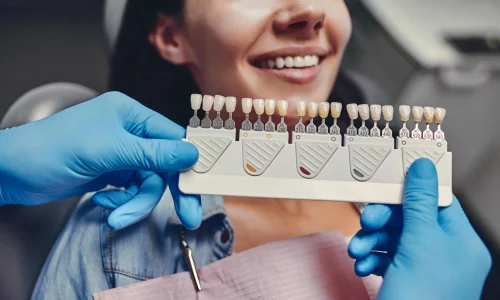
Milim Dental Hospital isn't just a clinic—it's where confident smiles begin. With a team of world-class specialists, advanced technology, and a patient-first approach, we turn dental care into a premium experience.
We prioritize hygiene, comfort, and tailor-made treatments designed just for you. Don’t just take our word for it—explore real stories from real patients.
Your perfect smile starts here. Join the Milim experience.
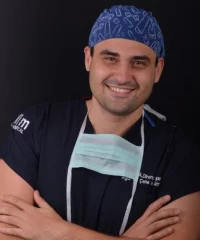

Milim Dental Hospital provides comprehensive dental services in a spacious 1,000 m² facility, supported by a wide team of dental professionals including specialists in Oral and Maxillofacial Surgery, Prosthodontics, Orthodontics, Pediatric Dentistry, and Periodontology.