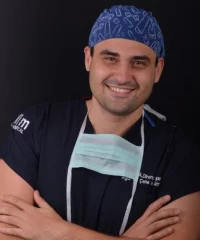

With insights from oral and maxillofacial surgeon Dr Ali Direnç Ulaşan – Bursa, Turkey
If just hearing the sound of a dental drill makes your heart race…
If you postpone check-ups until the pain is unbearable…
If the idea of a needle, a tooth extraction, or a possible tooth fracture terrifies you…
You are not alone.
Dental fear and dental phobia are extremely common and one of the biggest reasons people avoid treatment. Unfortunately, avoiding the dentist usually leads to more pain, bigger problems, and sometimes serious infection that could have been prevented with early care.
In this in-depth, SEO-focused guide, we will cover:
What dental fear and dental phobia actually are
Why people are so afraid of the dentist
Why tooth extraction, needles and the fear of pain are such strong triggers
How modern dentistry and oral surgery (especially with an expert like Dr Ali Direnç Ulaşan in Bursa) can be surprisingly gentle
Practical steps you can take to finally get the treatment you need
Dental fear is the anxiety or stress you feel when you think about visiting the dentist. It can range from mild nervousness to full-blown panic.
Dental phobia is a more intense, irrational fear that leads you to completely avoid dental care, even when you are in severe pain or have obvious signs of infection.
Common signs of dental fear or phobia include:
Trouble sleeping the night before an appointment
Feeling sick, shaky, or sweaty when you think about the dentist
Difficulty breathing or a racing heart in the waiting room
Panic at the sight of dental instruments or the needle
Cancelling or postponing appointments again and again
If this sounds familiar, you are not weak or “childish”. Your brain has learned to see the dental chair as a place of danger, and it is trying to protect you. The good news: you can retrain this response with the right approach and the right team.
Dental fear almost always has a story behind it. Understanding your own story is the first step to changing it.
Many adults can describe one specific event that changed their relationship with the dentist:
A painful tooth extraction where the anesthesia was not sufficient
A rushed procedure where the needle was given without warning
A filling, root canal, or surgical treatment where the dentist ignored their complaints of pain
A complicated extraction with unexpected tooth fracture or intense pressure and cracking sounds
When something like this happens, the brain remembers: “Dentist = danger. Avoid at all costs.” Even years later, in a modern clinic with a careful surgeon, your body can instantly react as if you are back in that old experience.
This is the number one reason patients give:
“I’m not afraid of the dentist as a person. I’m afraid of the pain.”
They imagine:
Feeling every movement during a tooth extraction
Sharp pain during the injection
Strong pain after the procedure that does not respond to medication
In reality, with modern local anesthesia, gentle injection techniques and good planning, most dental and surgical procedures can be performed with minimal or no pain. But your mind may still be stuck in an older reality or a story you heard from someone else.
Needle phobia is incredibly common, and the dental setting can intensify it. Common thoughts include:
“I can’t stand the idea of a needle in my mouth.”
“What if I faint?”
“What if the injection is more painful than the treatment?”
This fear is so strong for some people that they avoid the dentist for years, even when they have severe toothache, broken teeth or visible infection.
Some patients are deeply afraid of:
The sight or taste of blood
The possibility of a serious infection
Complications during tooth extraction, such as tooth fracture or jaw problems
They worry: “What if something goes wrong and I end up worse than before?”
This fear is often amplified by dramatic stories online and worst-case photos that do not reflect the reality of modern, controlled oral surgery.
Lying back in the chair with your mouth open, not seeing exactly what is happening, can feel extremely vulnerable. Many people think:
“I hate not being in control.”
“My teeth are in terrible condition; the dentist will judge me.”
“If I panic, I will look ridiculous.”
A skilled, empathetic clinician understands this and will work to give you back a sense of control instead of forcing you through the process.
Not all dental treatments are equally frightening. Three things usually stand out as the biggest triggers:
Tooth extraction
The needle
The sound and feeling of tooth fracture or drilling
Tooth extraction combines several fears at once:
Fear of pain
Fear of bleeding
Fear of permanent loss (“I will never get that tooth back”)
Fear of complications like infection or tooth fracture
Patients often imagine:
The tooth being violently pulled out
The jaw cracking
The tooth shattering into pieces
In reality, when performed by an experienced oral and maxillofacial surgeon like Dr Ali Direnç Ulaşan in Bursa, tooth extraction is a controlled, step-by-step procedure:
The area is fully numbed with local anesthesia
The tooth is gently loosened, not ripped out
Any risk of fracture is anticipated in advance using imaging
The socket is cleaned and prepared to prevent infection and support healing
The difference between the imagined scenario and the real, modern procedure is huge.
Many people say: “If I could have dental treatment without injections, I’d go every year.”
The fear of the needle can come from:
Childhood memories of painful injections
Watching the needle too closely
Tension and anticipation that makes every sensation feel stronger
Today, modern techniques include:
Numbing gel before the injection
Very fine needles
Slow injection speed to minimise discomfort
Careful attention to your reactions
In a calm environment, most patients say the injection was “much less painful than expected”.
Sounds and vibrations can be just as frightening as actual pain. Many patients react strongly to:
The high-pitched noise of the drill
The pressure and cracking sounds during a surgical tooth extraction
The idea that their tooth is breaking
It is important to understand that in some cases, controlled tooth fracture (sectioning the tooth into smaller pieces) is a normal and safe part of the surgical technique. It allows the surgeon to remove the tooth with less force, protecting the surrounding bone and reducing trauma.
Dental care in 2025 is not the same as dental care 20 or 30 years ago. In a modern practice with an expert team, the experience is very different from the horror stories many people remember.
High-quality local anesthetics, combined with gentle injection techniques, provide:
Fast onset of numbness
Deep, long-lasting pain control
Flexibility to add more anesthesia if needed
You should feel pressure and movement, but not sharp pain. If you do, a good dentist or surgeon will stop and correct the problem before continuing.
Digital X-rays and 3D cone beam CT scans allow clinicians to:
See root shapes and positions
Detect hidden infection
Identify risk areas before they become problems
For surgical treatments like tooth extraction or implant placement, this planning dramatically reduces complications and surprises.
The goal of modern surgery is not just to “remove the tooth” but to protect the surrounding tissues. Atraumatic techniques include:
Gentle separation of the tooth from the gum
Loosening the tooth slowly rather than pulling with brute force
Sectioning complex teeth to avoid uncontrolled tooth fracture
Preserving as much bone and gum as possible
This leads to less pain, less swelling and faster healing.
For patients with severe dental phobia, sedation can be a game-changer. Options include:
Mild oral sedation (tablets to reduce anxiety)
Intravenous sedation, where you remain conscious but deeply relaxed
General anesthesia in a hospital setting for very complex cases
An oral and maxillofacial surgeon like Dr Ali Direnç Ulaşan in Bursa often works with anesthesiologists to provide these options safely when indicated.
You don’t have to get rid of your fear completely before you see a dentist. You just need strategies to make it manageable.
Tell your dentist or surgeon from the very beginning:
That you are very anxious or phobic
What exactly scares you (pain, needle, tooth extraction, infection, feeling trapped, etc.)
If you have had panic attacks in medical settings before
A good clinician will not be annoyed. On the contrary, this information helps them plan your appointment more safely and compassionately.
Look for someone who:
Has experience treating anxious or phobic patients
Takes time to explain procedures in clear, simple language
Offers modern pain control and, if needed, sedation
Has a calm, confident, non-judgmental attitude
If you are considering surgical procedures such as extractions or dental implants, an oral and maxillofacial surgeon like Dr Ali Direnç Ulaşan in Bursa, Turkey can give you an extra layer of expertise and safety.
Your first visit does not have to include drilling, injections or surgery. You can book a consultation only, where you:
Meet the team and see the clinic
Have an examination and X-rays
Discuss your fears and ask all your questions
Agree on a step-by-step treatment plan
Just taking this first step often reduces fear significantly, because the unknown becomes known.
Before any treatment begins, agree on a simple hand signal (for example, raising your left hand) that means:
“Stop now. I need a break.”
Knowing that you have this power dramatically reduces the feeling of being trapped. Most patients find that once they know they can stop at any time… they rarely need to.
Simple breathing exercises can calm your nervous system:
Inhale slowly through your nose for 4 seconds
Hold for 4 seconds
Exhale gently through your mouth for 6–8 seconds
Repeat this several times in the waiting room and in the chair. Combined with progressive muscle relaxation (consciously releasing tension in your shoulders, jaw and hands), this can noticeably reduce anxiety.
If your clinic allows it, use headphones to listen to calming music, a podcast or an audiobook. This helps:
Mask clinical sounds (drill, suction)
Shift your focus away from the procedure
Make the appointment feel shorter and less intense
Overcoming dental fear is not just about surviving one appointment. It’s about building a new pattern.
Every step counts:
Making the phone call
Arriving at the clinic
Having an examination
Completing a small treatment
Each of these is evidence that you are stronger than your fear. Recognise and celebrate these wins instead of criticising yourself for still feeling anxious.
Work with your dentist or surgeon to prioritise:
Eliminating acute pain and infection
Stabilising teeth that are at risk of fracture or loss
Restoring function (chewing, speaking)
Improving aesthetics and confidence
Breaking treatment into phases makes it feel achievable and gives you time to adapt emotionally and financially.
Once your major problems are treated, continue with:
Routine check-ups every 6–12 months
Professional cleaning
Early treatment of small issues
This prevents new emergencies, reduces the need for complex tooth extraction or surgery, and keeps your fear levels low because appointments become short, easy and predictable.
Dental fear and dental phobia are powerful, but they are not permanent. With:
Modern anesthesia and gentle techniques
Precise planning and digital imaging
Atraumatic surgical methods to avoid unnecessary tooth fracture and infection
Options for sedation when needed
And a compassionate expert like oral and maxillofacial surgeon Dr Ali Direnç Ulaşan in Bursa
…even highly anxious patients can safely receive the care they need.
You don’t have to be fearless to visit the dentist. You only have to be willing to take the next small step:
Book a consultation
Share your story honestly
Ask every question you have
From there, you and your dental team can work together to transform the dental chair from a place of fear into a place of healing, relief and long-term health.
A guide explaining the main cost factors of Hollywood Smile treatments for patients from the USA.

Learn why patients choose MilimDental in Turkey for high-quality, personalized Hollywood Smile treatments.

The All-on-X procedure involves several key steps, including a detailed consultation, implant placement, temporary prosthesis, healing and integration, followed by the permanent prosthesis. This comprehensive approach ensures a smooth recovery and successful outcome for full-arch restoration.
Milim Dental Hospital isn't just a clinic—it's where confident smiles begin. With a team of world-class specialists, advanced technology, and a patient-first approach, we turn dental care into a premium experience.
We prioritize hygiene, comfort, and tailor-made treatments designed just for you. Don’t just take our word for it—explore real stories from real patients.
Your perfect smile starts here. Join the Milim experience.

Milim Dental Hospital provides comprehensive dental services in a spacious 1,000 m² facility, supported by a wide team of dental professionals including specialists in Oral and Maxillofacial Surgery, Prosthodontics, Orthodontics, Pediatric Dentistry, and Periodontology.