Éireannach
Díol mór – Laethanta deireanacha le haghaidh 20% Off!
149UAINN 16MINSIT 40CÉAD
When Should The First Orthodontic Examination Be Done?

When Should The First Orthodontic Examination Be Done?

8 December Mon, 2025

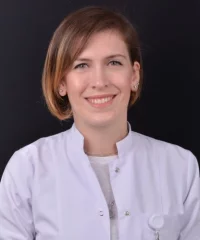
Explained by Orthodontic Specialist Dr. Begüm Ulaşan in Bursa

As your child grows, the first question regarding their teeth is usually: "When should the first orthodontic examination be done?"

Many families wait for later periods for braces, such as "high school age," "all baby teeth have fallen out," or "when the teeth are really crooked." However, a first orthodontic examination done at the right time can both shorten the treatment duration and prevent larger problems from emerging in the future.

Iarr plean cóireachta saor in aisce ó na dochtúirí saineolacha againn

In this article, based on the clinical approach of Orthodontic Specialist Dr. Begüm Ulaşan in Bursa, we will answer all questions, such as: "When should the first orthodontic examination be done, why is it so important, and where should I go in Bursa?" in detail and with an SEO-focused language.

1. When Should the First Orthodontic Examination Be Done?

The globally accepted approach is:

The first orthodontic examination should be done around age 7.

The reason for this is:

  1. Around age 7:
  2. The permanent front incisor teeth start to erupt in most children.
  3. The first large molar teeth erupt (the 6-year molars).
  4. Since both baby teeth and permanent teeth are present in the mouth, jaw development and teeth placement can be analyzed very clearly.

Orthodontic Specialist Dr. Begüm Ulaşan in Bursa generally recommends the following to families:

"Bring your child for an orthodontic examination at least once when they turn 7. Don't assume treatment must start immediately; sometimes, just 'staying under observation' is enough."

Thus, the goal of the first orthodontic examination is not to put on braces immediately, but to monitor the child's growth and dental development in a timely manner.

2. Why Age 7? Can't It Be Earlier or Later?

2.1. Why not earlier?

Of course, children can be brought for an orthodontic examination at ages 4–5 as well. Earlier orthodontic assessment may be necessary, especially in cases of:

  1. Thumb sucking
  2. Prolonged pacifier/bottle use
  3. Mouth breathing
  4. Obvious jaw shifts
  5. Loss/damage to teeth after trauma

However, as a general principle:

  1. Before age 7, since the permanent teeth are not yet fully visible, it is harder to establish a "long-term plan" regarding jaw and tooth development.

Therefore, like international guidelines and orthodontists in Bursa, Dr. Begüm Ulaşan considers age 7 as the ideal starting point for a general screening.

2.2. Why shouldn't it be later?

The most common mistake families make is: "The child is small, the teeth will change a lot anyway, let's wait..."

This waiting period sometimes extends unnecessarily, and:

  1. If there is a jaw constriction, the window for bone development might be missed.
  2. Habits like thumb sucking / mouth breathing can lead to permanent skeletal disorders.
  3. When teeth are severely crowded, treatment can become longer and more difficult.

Therefore, having the first orthodontic examination around age 7–8 is critical for early diagnosis and early guidance when necessary.

3. How Does the First Orthodontic Examination Proceed in Bursa? (Dr. Begüm Ulaşan's Approach)

If you live in Bursa and take your child to Orthodontic Specialist Dr. Begüm Ulaşan, the first examination process generally goes as follows:

3.1. Detailed History and Habit Inquiry

First, detailed information is obtained from you and your child:

  1. Is there a history of thumb sucking?
  2. Was a pacifier or bottle used for a long time?
  3. Is there snoring, mouth breathing while sleeping, or nasal congestion?
  4. Were baby teeth extracted too early or did they fall out late?
  5. Has teeth grinding/clenching been noticed?

This information provides important clues about the child's jaw development and potential bite problems.

3.2. Clinical Examination

Dr. Begüm Ulaşan:

  1. Evaluates the child's face from the front and the side.
  2. Examines the relationship between the upper and lower jaws.
  3. Inspects the biting pattern of the teeth (are the upper teeth too far forward, is the lower jaw retruded, is there a crossbite, etc.).
  4. Checks the placement of baby and permanent teeth in the mouth.

3.3. X-rays and Analyses if Necessary

If required:

  1. Panoramic film (general image of all teeth and bone structure in the mouth).
  2. Cephalometric film (profile X-ray) if necessary, is taken and the child's jaw development is analyzed in more detail.

3.4. Result: Treatment or Follow-up?

At the end of the examination, Dr. Begüm Ulaşan may make one of three different decisions:

  1. Treatment is not necessary for now; only regular follow-up is sufficient.
  2. The advice is to "recheck in 6 months–1 year." This is one of the most common scenarios.
  3. We need to stop certain habits.
  4. If habits like thumb sucking, tongue thrusting, or mouth breathing are suspected, collaboration with a pediatric dentist, ENT specialist, or speech-language pathologist may be planned if necessary.
  5. Early intervention (early orthodontic treatment) is required.
  6. I gcásanna de ghiollach an jaw, crossbite trom, nó jaw íseal a tharraingt/dearadh go dona, d'fhéadfadh sé a bheith gá le treorú forbartha jaw le accessaries, ag baint úsáide as an bhforbairt fhíocháinín an linbh.

4. Buntáistí An Chéim Éigeantach Luath den Chéad Oifigeach Orthodontic

4.1. Aithint Thapa Le Seachadadh an Jaw

Is féidir le rogha an jaw os cionn do chuid páistí a:

  1. Ceangal le fiacla tromchloite.
  2. Cuirfidh sé ar fáil do fiacla ísle dul thar an bhfiacla uachtarach ina roinnt réimsí (crossbite).
  3. Cuideoidh sé le anáil bhéal agus slaghdán a laghdú.

Thart ar aois 7–9, tá na cnámha jaw fós an-bhog don fhÁS agus don leasachán. I bhfoirmeacha óg níos óige ina bhfuil cuir ar bith sa jaw os cionn, déanann Dr. Begüm Ulaşan i Bursa iarratas ar:

  1. Cruthaigh spás do na fiacla.
  2. Déan éascaíocht leighis diúltach sa todhchaí.
  3. Feabhsóidh sé anáil agus feidhm bid dejaón trí leathnú an jaw le hacaccessarys speisialta.

Tá an fhuinneog seiseamh seo i bhfad eagrán, go háirithe nuair a chloiseann tú faoi “Rachaidh ar dtús rabhadh den scoth?”

4.2. Ceannródh Luaineach na Fuinnimh

Is féidir leis

  1. Nítheanna a chaitheamh
  2. Prolonged pacifier/bottle use
  3. Tongue thrusting (pushing the tongue between the teeth when swallowing)
  4. Constant mouth breathing

can lead to:

  1. Protrusion of the upper teeth.
  2. Open bite (a gap remaining between the teeth when biting).
  3. Jaw constriction and negative changes in facial development.

In the first orthodontic examination:

  1. These habits can be detected.
  2. Habit-breaking appliances may be planned if necessary.
  3. Collaboration with other specialists (ENT, pediatric dentist, etc.) may be planned if necessary.

4.3. Accurate Planning of Tooth Extractions

In some children:

  1. Baby teeth are lost too early.
  2. Permanent teeth start to drift sideways, closing the gaps.
  3. There is no space left for future teeth.

Thanks to the first orthodontic examination, it can be more clearly planned:

  1. Which baby tooth needs to be preserved.
  2. In which situation a space maintainer will be needed.
  3. Whether tooth extraction will be required in the future.

This prevents unnecessary extractions and ensures a more balanced treatment process later on.

5. "My Child is Older Than 7, Is It Too Late Now?"

This is also a frequently asked question to Dr. Begüm Ulaşan in Bursa: "Doctor, we couldn’t bring our child at 7; they are now 11–12 years old. Is it too late?"

No.

There is no such thing as "completely too late" for orthodontic treatment.

  1. Ages 10–12 are a period when most permanent teeth have started to erupt, and children are very suitable for braces and clear aligner treatment.

At these ages:

  1. Both tradicional brases tretment\ and clear aligner (Aligner) tretment\ can be planned if the case is suitable.

The important thing is:

  1. To not delay any further.
  1. To plan an orthodontic examination in Bursa to clarify the child's situation.

So, consider age 7 as the "ideal" age for the first check-up; but ages 8, 10, and 12 are still very suitable starting ages.

6. When Should You Consult Dr. Begüm Ulaşan in Bursa?

If one of the following situations is present, it may be appropriate to bring the orthodontic examination forward, regardless of age:

  1. Do chaild’s frunt teeth are very far forward, or the lower teeth are positioned in front of the upper teeth.
  2. The jaw appears to be shifted to one side.
  3. The teeth do not touch at all when closing in the front (open bite).
  4. The child sleeps with their mouth open constantly or snores.
  5. Thumb sucking habit still continues at ages 4–5.
  6. Baby teeth were pulled too early, and the spaces seem to be closing.
  7. The teeth are visibly crowded and overlapping.
  8. There are very obvious gaps between the front teeth that bother you.

These signs may indicate situations that require a closer evaluation by Orthodontic Specialist Dr. Begüm Ulaşan.

7. Frequently Asked Questions About the First Orthodontic Examination

QuestionAnswer
1. Are braces put on immediately during the first orthodontic examination?No. I bhformad 7–8-blian, ní dhéanfar braces a chur i bhfeidhm le linn an chéad scrúdú. De ghnáth, déanann siad plean "follow-up", agus tús a chur le cóireáil luath amháin i gcásanna ar leith.
2. An bhfuil gá le roghaigh chun dul chuig scrúdú orthodontic?Mar is gnáth níl. Is féidir leat clárú díreach le clinicí phrivate i mBeirlín. Is é an tábhacht go ndéantar an scrúdú ag speisialtóir orthodontic.
3. An bhfuil X-ray riachtanach le linn an chéad scrúdaithe?I bhformad is mó, bíonn panaoramic X-ray an-úsáideach chun tuiscint a fháil ar fhorbairt fiacla na páiste. Iarrann Dr. Begüm Ulaşan na dhoiciméid ach amháin de réir mar is gá, ag seachaint raidióinNí riachtanach.
4. Táimid ag cónaí thall i bhfadrainn, is féidir linn scrúdú a fháil nuair a thagaimid go hBursa ar ár saoire?Tá. Is féidir le tuismitheoirí atá i bhfadrainn a gcuid páistí a thógáil chuig Speisialtóir Orthodontic Dr. Begüm Ulaşan le linn cuairteanna saoire i mBursa chun an chéad scrúdú a fháil agus, más gá, bealach forbartha a scríobh le haghaidh comhordú cóireála.

8. Conclúid: Is é An Am is Fearr don Chéad Scrúdú Orthodontic “Agus Amal faoin Am a Úsáid”

Ar ais go dtí an cheist sa chúinne seo den alt: “Cathain ba chóir an chéad scrúdú orthodontic a dhéanamh?”

An freagra gairid agus soiléir:

  1. Do ghrúpa leanaí ginearálta: Timcheall aoise 7.
  2. Do pháistí le fachtóirí riosca nó gearán suntasach: Fiú roimhe seo.

Orthodontic Specialist Dr. Begüm Ulaşan in Bursa always tells families:

"There is no point in delaying the first orthodontic examination. Early examination does not always mean early treatment, but it gives you the opportunity to solve major problems you might face later with small interventions."

If:

  1. Your child is approaching age 7–8,
  2. You feel "something doesn't seem right" with their teeth or jaw,
  3. You are already asking yourself, "When should I go?"

then the right time for an orthodontic examination in Bursa has arrived.

Instead of procrastinating, you can put your mind at ease by scheduling an appointment and having your child's dental and jaw development evaluated through the eyes of an expert orthodontist.

Remember: Timing in orthodontics is often as important as the treatment itself.

The first orthodontic examination, done at the right age with the right doctor, becomes your strongest companion in ensuring both your child's smile and jaw health for the future.


Catagóir: Orthodontics

A Milim
Tugann difear mór

Is é Ospidéal Fiaclóireachta Milim an chéad ionad fiaclóireachta chun an "Teastas Údaraithe Turas Sláinte" a fháil a vyd ré tír na hTuirc.
Gach Alt
Sliogán Béalraithne agus Riosca Anaithnid
east

Tógann sliogán béalraithne—go háirithe i mbéal na hoíche—uafás agus go leor ceisteanna do na hothair. Seo na ceisteanna is coitianta “An mbeidh anaithnid orm tar éis sliogán béalraithne a bhaint?”, “An féidir le mo liopa íochtarach nó mo chin fanacht anaithnid go permanent?”, “Tá an fréamh gar don néar—cad a tharlóidh?”, “An gá dom dochtúir béaltraí don chóireáil béalraithe i Bursa?”

Cad é an chóireáil cainéal fréimhe agus conas a dhéantar é?
east

Tá sláinte béil agus fiacla tábhachtach chun laethanta a chaitheamh go laethúil. Ós rud é go bhfuil fiacla riachtanach chun cothú ceart, is féidir le haon dochar mothúcháin míchompord a chur ar aghaidh agus cur isteach ar fholláine ginearálta. D'fhéadfadh laige fiacaí le fiosrúcháin éagsúla a bheith níos faide ná na fadhbanna fiacla; dá bhrí sin, tá sé tábhachtach comhairle le fiaclóir a fháil ar an gcéad chomhartha de phian.

Cén fáth go bhfuil Zirconia níos saoire ná E-Max? Míniú ar na Príomh-dhifríochtaí
east

Nuair a bhíonn tú i dtaithí ar do gháire a athchóiriú le crowns fiacla, tá dhá cheann de na hábhair is coitianta ná Zirconia agus E-Max. Soláthraíonn gach ceann acu neart, áilleacht, agus durability, ach iarrann othair go minic: "Cén fáth go bhfuil Zirconia níos saoire ná E-Max?"

Cén fáth a
Roghnaíonn Pacáistí Milim?

Ní hé Ospidéal Fiacla Milim ach clinic amháin—is é an áit a dtosaíonn aoibhinn d’fhéachaint. Le foireann speisialtóirí den scoth, teicneolaíocht chun tosaigh, agus cur chuige atá dírithe ar na pacáistí, déanann muid cúram fiaclóra a bheith ina thaithí ardchaighdeáin.
Tugaimid tosaíocht do shláinte, compord, agus cóireálacha a deartha go speisialta duitse. Ná lig do chuid focal—déanaigí iniúchadh ar scéalta fíor ó phacáistí fíor.
Tosaíonn do bheocht foirfe anseo. Bí ar an taithí milim.
Féach ar Gach Taithí
play_arrow
Dt. İsmail Özkısaoğlu Dentist
Faigh Comhoiriúnacht Saor in Aisce
play_arrow
Dr. Dt. Ali Direnç Ulaşan Oral, Dental, Maxillofacial Surgeon
Faigh Comhoiriúnacht Saor in Aisce
play_arrow
Dr. Dt. Ali Direnç Ulaşan Oral, Dental, Maxillofacial Surgeon
Faigh Comhoiriúnacht Saor in Aisce

Ospidéal Fiaclóireachta Milim soláthraíonn seirbhísí fiaclóireachta cuimsithigh i suíomh 1,000 m² leathan, tacaíochta le foireann leathan de ghairmithe fiaclóireachta lena n-áirítear speisialtóirí sa Chéile Má guais céatadóireachta, Prothedontics, Orthodontics, Fiaclóireacht Phéidiatraice agus Periodontics.

Is údarásach ár gclínic ag An Roinn Sláinte na Tuirce le haghaidh Turasóireacht Sláinte Idirnáisiúnta. Tá an suíomh seo tiomanta ach do gnáthchun mímheas a thabhairt do gníomhóirí ó thar lear. Níl sé ann chun fógraí a chur ar fáil agus comhoiriúnann sé le rialacháin dlítha faoi rún.
Milim Dental Hospital © 2025 - Tá gach ceart á gcoinneáil.

An bhfuil ceist agat ar do mhoill?

Ag Ospidéal Fiaclóireachta Milim, glacaimid maxim nó 10 othar idirnáisiúnta in aghaidh na míosa. Ceadaíonn sé seo dúinn cúram pearsanta a sholáthar do gach othar agus an caighdeán is airde cóireála. Inis dúinn conas is féidir linn cabhrú leat!

An gcuirfeá fáilte chun torthaí fíor-othair a fheiceáil? Bíodh tú saor chun iniúchadh a dhéanamh ar ár nGailearaí Cás!

Éireannach
Díol mór – Laethanta deireanacha le haghaidh 20% Off!