
As your child grows, the first question regarding their teeth is usually: "When should the first orthodontic examination be done?"
Many families wait for later periods for braces, such as "high school age," "all baby teeth have fallen out," or "when the teeth are really crooked." However, a first orthodontic examination done at the right time can both shorten the treatment duration and prevent larger problems from emerging in the future.
In this article, based on the clinical approach of Orthodontic Specialist Dr. Begüm Ulaşan in Bursa, we will answer all questions, such as: "When should the first orthodontic examination be done, why is it so important, and where should I go in Bursa?" in detail and with an SEO-focused language.
The globally accepted approach is:
The first orthodontic examination should be done around age 7.
The reason for this is:
Orthodontic Specialist Dr. Begüm Ulaşan in Bursa generally recommends the following to families:
"Bring your child for an orthodontic examination at least once when they turn 7. Don't assume treatment must start immediately; sometimes, just 'staying under observation' is enough."
Thus, the goal of the first orthodontic examination is not to put on braces immediately, but to monitor the child's growth and dental development in a timely manner.
Of course, children can be brought for an orthodontic examination at ages 4–5 as well. Earlier orthodontic assessment may be necessary, especially in cases of:
However, as a general principle:
Therefore, like international guidelines and orthodontists in Bursa, Dr. Begüm Ulaşan considers age 7 as the ideal starting point for a general screening.
The most common mistake families make is: "The child is small, the teeth will change a lot anyway, let's wait..."
This waiting period sometimes extends unnecessarily, and:
Therefore, having the first orthodontic examination around age 7–8 is critical for early diagnosis and early guidance when necessary.
If you live in Bursa and take your child to Orthodontic Specialist Dr. Begüm Ulaşan, the first examination process generally goes as follows:
First, detailed information is obtained from you and your child:
This information provides important clues about the child's jaw development and potential bite problems.
Dr. Begüm Ulaşan:
If required:
At the end of the examination, Dr. Begüm Ulaşan may make one of three different decisions:
A narrow upper jaw in children can:
Around age 7–9, the jaw bones are still very flexible for growth and expansion. In younger age groups where upper jaw constriction is detected, Dr. Begüm Ulaşan in Bursa aims to:
This window of opportunity largely closes by ages 15–16. That's why the answer to the question "When should the first orthodontic examination be done?" is "before it's too late."
Habits such as:
can lead to:
In the first orthodontic examination:
In some children:
Thanks to the first orthodontic examination, it can be more clearly planned:
This prevents unnecessary extractions and ensures a more balanced treatment process later on.
This is also a frequently asked question to Dr. Begüm Ulaşan in Bursa: "Doctor, we couldn't bring our child at 7; they are now 11–12 years old. Is it too late?"
No.
There is no such thing as "completely too late" for orthodontic treatment.
At these ages:
The important thing is:
So, consider age 7 as the "ideal" age for the first check-up; but ages 8, 10, and 12 are still very suitable starting ages.
If one of the following situations is present, it may be appropriate to bring the orthodontic examination forward, regardless of age:
These signs may indicate situations that require a closer evaluation by Orthodontic Specialist Dr. Begüm Ulaşan.
| Question | Answer |
| 1. Are braces put on immediately during the first orthodontic examination? | No. In most 7–8-year-olds, braces are not applied during the first examination. Usually, a "follow-up" plan is made, and early treatment is started only in specific situations. |
| 2. Is a referral needed to go for an orthodontic examination? | Generally no. You can directly schedule an appointment at private clinics in Bursa. The important thing is that the examination is performed by an orthodontic specialist. |
| 3. Is an X-ray essential during the first examination? | In most cases, a panoramic X-ray is very useful for understanding the child's dental development. Dr. Begüm Ulaşan requests films only as needed, avoiding unnecessary radiation. |
| 4. We live abroad, can we have an examination while visiting Bursa for a holiday? | Yes. Families living abroad can bring their children to Orthodontic Specialist Dr. Begüm Ulaşan while spending their holidays in Bursa to get the first examination done and, if necessary, draw up a roadmap for treatment planning. |
Let's return to the question at the beginning of this article: "When should the first orthodontic examination be done?"
The short and clear answer:
Orthodontic Specialist Dr. Begüm Ulaşan in Bursa always tells families:
"There is no point in delaying the first orthodontic examination. Early examination does not always mean early treatment, but it gives you the opportunity to solve major problems you might face later with small interventions."
If:
then the right time for an orthodontic examination in Bursa has arrived.
Instead of procrastinating, you can put your mind at ease by scheduling an appointment and having your child's dental and jaw development evaluated through the eyes of an expert orthodontist.
Remember: Timing in orthodontics is often as important as the treatment itself.
The first orthodontic examination, done at the right age with the right doctor, becomes your strongest companion in ensuring both your child's smile and jaw health for the future.
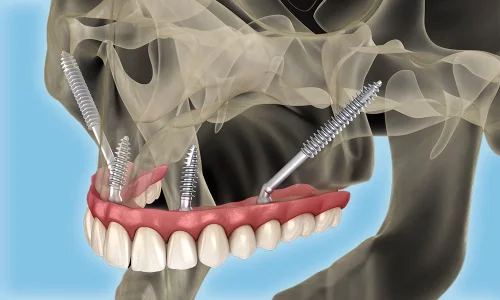
For many patients suffering from severe upper jaw bone loss, traditional dental implants are no longer a viable option. Years of tooth loss, periodontal disease, or previous failed implants can result in such bone deterioration that conventional solutions simply don't work. That’s where Zygomatic Implants come in — and at Milim Dental, we specialize in delivering successful outcomes for even the most challenging cases.
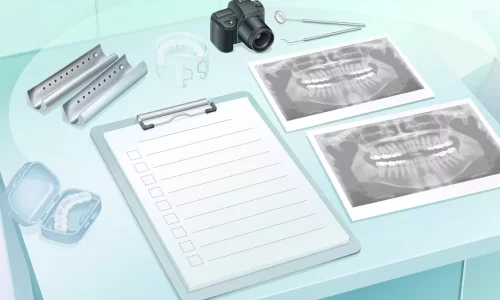
A checklist of necessary records for a successful orthodontic consultation.
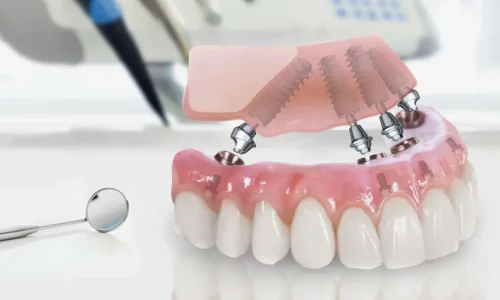
All-on-4 dental implants offer a fast, reliable, and minimally invasive solution for full-arch tooth loss. Using just four implants per jaw, this technique restores both function and aesthetics—without bone grafting or long recovery times. Perfect for "Teeth in a Day" candidates.
Milim Dental Hospital isn't just a clinic—it's where confident smiles begin. With a team of world-class specialists, advanced technology, and a patient-first approach, we turn dental care into a premium experience.
We prioritize hygiene, comfort, and tailor-made treatments designed just for you. Don’t just take our word for it—explore real stories from real patients.
Your perfect smile starts here. Join the Milim experience.
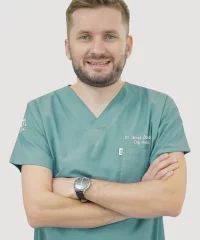
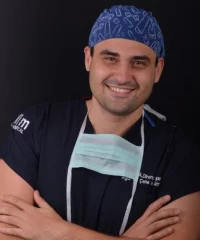

Milim Dental Hospital provides comprehensive dental services in a spacious 1,000 m² facility, supported by a wide team of dental professionals including specialists in Oral and Maxillofacial Surgery, Prosthodontics, Orthodontics, Pediatric Dentistry, and Periodontology.