Many patients come to Milim Dental in Bursa, Turkey with the same worries:
“My age is advanced – am I too old for implants?”
“I have gum recession and bone loss; how will an implant hold?”
“I have high blood pressure (hypertension); is surgery safe for me?”
“I have diabetes; will the implant fail?”
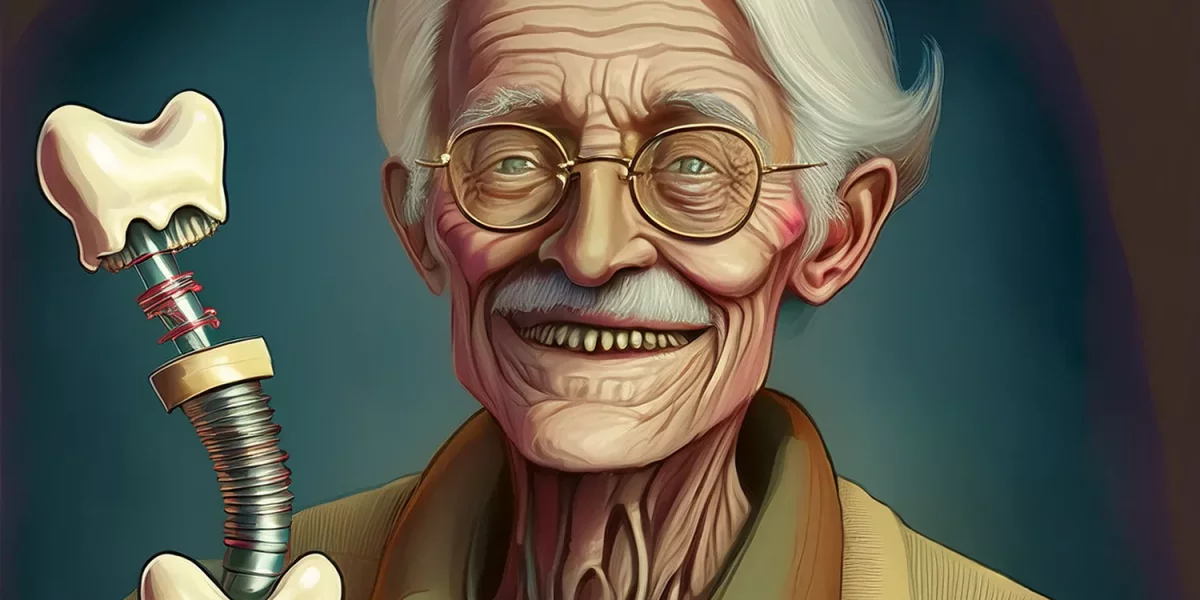
“What about my mother or father – can they have implants at their age?”
These are very normal and very important questions.
The short answer is:
In many cases, yes, you and your parents can still have implants,
but only after careful planning, medical assessment and a personalised treatment strategy.
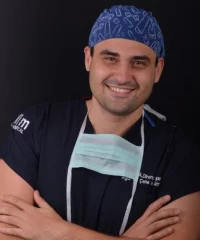
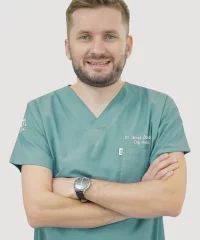
This article will explain, in clear language and step by step, how the team at Milim Dental Bursa, led by Oral & Maxillofacial Surgeon Dr Ali Direnç Ulaşan, evaluates older patients with bone loss, hypertension and diabetes for dental implant treatment.
One of the biggest myths in dentistry is:
“I’m too old for implants.”
In reality:
There is no fixed upper age limit for dental implants.
A healthy 75-year-old can often be a better candidate than a poorly controlled 50-year-old.
What matters most is your overall health, not the number on your ID card.
In older patients, we pay special attention to:
Heart and blood pressure status
Diabetes and blood sugar control
Bone quality and quantity
Medications (especially blood thinners and osteoporosis drugs)
General mobility and ability to maintain oral hygiene
At Milim Dental in Bursa, we regularly treat patients in their 60s, 70s and even 80s with implants, including full-mouth rehabilitation when appropriate.
Many older patients with gum disease or long-term missing teeth have:
Bone loss around teeth
Gum recession
Loose or drifting teeth
It is logical to ask:
“If my bone is melting and my own tooth couldn’t stay, how will a metal screw (implant) hold?”
Here is the key point:
Natural teeth are held by a root + ligament + bone.
An implant is held by direct bone connection (osseointegration), without a ligament.
If we can create or preserve enough healthy, stable bone, an implant can integrate very strongly – often more rigidly than the original tooth.
At Milim Dental Bursa, we use:
CBCT (3D scans) chun tomhaighcnigh cnaipe saghas cnaipe
Digital planning chun toigh faighteadh saighdiu, uillinn agus suíomh implant
Bone augmentation teicníochtaí (grafta cnaipe, ardú sinais, athchóiriú cnaipe treorach) nuair atá gá
Mar sin, fiú má tá do phíobán nó d’uncailí ag caillteanas cnaipe, is féidir le:
Diagnosis cheart
Ascáráid cnaipe a d’fhéadfadh
Teicníocht chliniciúil chúramach
Tá uaigní an-túisce i n-othair níos sine. An cheist ná:
“Má tá brú fola ard, an bhfuil riosca ar operáidiú implant?”
Is é an eolair i gceist idir:
Uaigní rialta (le leigheas agus monatóireacht an doctúra)
Uaigní neamh-rialta (le drugaí neamhchothromaithe, práinní minic, gan monatóireacht)
I bhformhór na n-othar a bhfuil brú fola seasmhach faoi leigheas, is féidir coipeal fiacla a dhéanamh go sábháilte le:
Seiceáil brú fola roimh ré
Laghdú struis (timpeallacht shuaimhneach, míniúcháin ghlan, cruinní gearr)
Teicníocht anaesthesia áitiúil oiriúnaithe do do choinníoll
Comhoibriú dlúth le do cardiologist nó dochtúir teaghlaigh, más gá
Ag Milim Dental Bursa, faighimid i gcónaí:
Stair Míochaineolaíochta mionsonraithe
Tomhas do bhrú fola sula ndéantar cóireáil
Adjust timing and duration of surgery to your tolerance
If your blood pressure is not under control, we may:
Poistpone surgery
Refer you back to your physician for adjustment of medication
Only proceed once your general doctor confirms that you are stable
Safety comes first. Our goal is not just to place implants, but to keep you safe during and after the procedure.
Another very frequent question is:
“I have diabetes. Can I still have implants, or will they fail?”
Again, the key difference is between:
Well-controlled diabetes
Poorly controlled diabetes
If your diabetes is under control (with diet, tablets or insulin) and your doctor is monitoring you, implants can often be placed successfully with:
Good planning
Antibiotic and antiseptic protocols where indicated
Careful control of infection and healing
Close follow-up and maintenance
Studies show that well-controlled diabetic patients can have implant success rates close to non-diabetic patients, provided that:
Oral hygiene is excellent
Blood sugar control remains stable
Regular check-ups are maintained
At Milim Dental Bursa, we routinely:
Ask about your latest blood sugar or HbA1c values
Cumunic>with>Your>endocrinologist>or>family>doctor>when>necessary
Plan>surgery>for>the>time>of>day>when>your>blood>sugar>is>most>stable
Provide>clear>instructions>on>eating>and>medication>on>the>day>of>surgery
If>blood>sugar>is>high>and>unstable,>the>risk>of:
Infection
Delayed>wound>healing
Implant>failure
is>significantly>higher.>In>those>situations,>we>will:
Delay>implant>surgery
First>focus>on> periodontal>treatment>and>basic>oral>health
Encourage>stabilising>your>diabetes>with>your>medical>doctor
Only>when>the>general>health>picture>is>safer>do>we>proceed>with>implants.
Many>patients>at>Milim>Dental>Bursa>ask>not>only>for>themselves,>but>also>for>their>parents:
“>My>mother>wears>a>loose>denture;>can>she>have>fixed>teeth>with>implants?”
“>My>father>is>tired>of>removable>prostheses;>is>he>too>old>for>surgery?”
When>evaluating>your>mother>or>father>for>implants,>we>carefully>examine:
General>health:>heart>disease,>stroke>history,>diabetes,>lung>disease,>kidney>issues
Medications:
Blood>thinners>(aspirin,>clopidogrel,>warfarin,>DOACs)
Osteoporosis>drugs>(especially>IV>bisphosphonates>or>certain>injections)
Immune-suppressing>medications
Bone>quality:>how>much>bone>is>available>for>implants
Dexterity and hygiene: can they clean around implants and prostheses?
Expectations: do they want fully fixed bridges, or would an implant-supported overdenture be more realistic?
Depending on the case, options may include:
2–4 implants with a removable overdenture
Greatly improves stability compared to a normal denture
Easier to clean than very complex fixed solutions
Full-arch fixed bridges on more implants
For suitable, medically stable parents who want fully fixed teeth
Requires very precise planning and strict hygiene
Segmental solutions (implants only in certain key areas)
To improve chewing on one or both sides
Less invasive than full-mouth reconstruction
The goal is always to balance:
Medical safety
Surgical complexity
Chewing function
Ease of cleaning
Total treatment time and cost
Whether it is you, your mother or your father, the process at Milim Dental Bursa follows a similar structure.
Full medical history, including:
Hypertension
Diabetes
Heart disease
Stroke history
Medications
Dental and periodontal examination
Panoramic X-ray and, if needed, CBCT 3D scan
We explain, in simple language:
What is possible
What is risky
What might be better avoided
We coordinate with your cardiologist, endocrinologist or family doctor when necessary.
Based on age, bone, blood pressure, diabetes control and expectations, we propose one or more options, for example:
Implant-supported overdentures
Fixed bridges on implants
Combined solutions with some implants and some natural teeth
Or, in some cases, non-implant solutions if surgery risk is too high
Everything is written and explained clearly, so you and your family can make an informed decision.
Being honest also means knowing when to say “no” or “not now”.
Implants may be postponed or not recommended if:
Hypertension is poorly controlled with frequent crises
Diabetes is severely uncontrolled and not stabilised
There is a history of recent heart attack or stroke without clearance from the doctor
The patient is on certain IV osteoporosis medications with high risk of jaw complications
General health is extremely fragile (advanced heart failure, severe immunosuppression, etc.)
Oral hygiene is very poor and the patient is unable or unwilling to improve it
In such cases, we at Milim Dental Bursa will discuss:
Safer prosthetic alternatives
Simpler, less invasive solutions
Or a staged approach (improve health and hygiene first, then reconsider implants)
If you or your parents are considering implants, you can already start improving your chances of success by:
Taking medications regularly for blood pressure and diabetes, as prescribed
Keeping regular follow-ups with your physician
Quitting or reducing smoking if possible
Improving daily oral hygiene: brushing twice a day, cleaning between teeth
Controlling weight and diet to help stabilise blood sugar and blood pressure
Being honest with your dentist about all medical conditions and medications
Dental implants are not only about the jaw; they are about the whole body. A healthier body means a safer surgery and better long-term results.
Ní hamháin aois mar theorainn le haghaidh instealltaí fiacla. Féadfaidh go leor othar os cionn 60, 70 agus fiú 80 a bheith cóirithe go sábháilte.
Caillteanas cnámh ní chuireann sé go huathoibríoch cosc ar instealltaí; le pleanáil CBCT agus graftáil cnámh, tá go leor cásanna fós indéanta.
Ardaitheas fola agus diaibéiteas ní choscóidh sé instealltaí má rialaithe go maith agus monatóireacht.
Is féidir le do chách athrú ó dentaí díomhaoin míshoosta chuig réitigh insteallta níos sábháilte, ag brath ar a sláinte agus cnámh.
Ní mór do chinntí a bheith aonair, tar éis evalúation liachta agus pleanáil dhian.
ag At Milim Dental i Bursa, Tuirc, ár team insteallta agus opair sláinte fiacla faoi stiúir Dr Ali Direnç Ulaşan díríonn ar:
Sábháilteacht ar dtús
Leitheoireacht réalaíoch
Stabilíocht fhada
Cumarsáid shoiléir, macánta leat agus do do chlann
Má tá tú, do mháthair nó do athair ag iarraidh,
“Tá muid níos sine, tá caillteanas cnámh againn, brú fola agus diaibéiteas… an féidir linn fós instealltaí a bheith againn?”
ansin is é an chéad chéim ná comhairle shonrach chliniciúil agus ráiteach, ionas gur féidir linn freagra speisialta, freagra a dhéanann freagra ar shláinte agus dualgas míochaine a thabhairt duit – ní hamháin gealltanas ghinearálta.
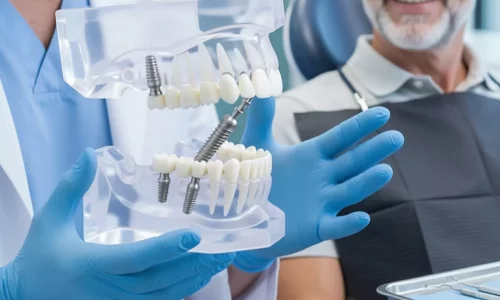
Treoir shoiléir ag míniú implantanna zygomatic agus a mbuntáistí thar implants fiaclóireachta traidisiúnta.
Faigh amach cén fáth go bhfuil tionchar cumhachtach ag meangadh dea-dheartha ar an gcaoi a bhfeiceann daoine thú.

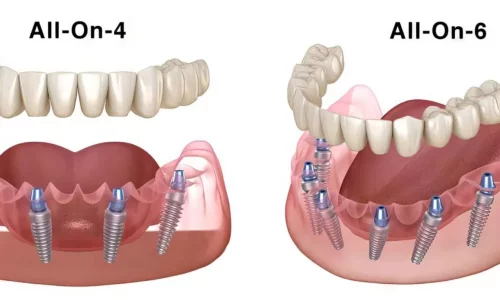
Tugann All-on-4 réiteach éifeachtach agus cost-éifeachtach ag baint úsáide as ceithre implant, agus cuireann All-on-X cur chuige pearsantaithe ar fáil le huimhreacha implant solúbtha bunaithe ar an anatamaíocht do jaw. Foghlaim conas a oireann an modh is fearr do do shláinte béil, do stíl mhaireachtála, agus do chuspóirí fadtéarmacha.
Ní hé Ospidéal Fiacla Milim ach clinic amháin—is é an áit a dtosaíonn aoibhinn d’fhéachaint. Le foireann speisialtóirí den scoth, teicneolaíocht chun tosaigh, agus cur chuige atá dírithe ar na pacáistí, déanann muid cúram fiaclóra a bheith ina thaithí ardchaighdeáin.
Tugaimid tosaíocht do shláinte, compord, agus cóireálacha a deartha go speisialta duitse. Ná lig do chuid focal—déanaigí iniúchadh ar scéalta fíor ó phacáistí fíor.
Tosaíonn do bheocht foirfe anseo. Bí ar an taithí milim.

Ospidéal Fiaclóireachta Milim soláthraíonn seirbhísí fiaclóireachta cuimsithigh i suíomh 1,000 m² leathan, tacaíochta le foireann leathan de ghairmithe fiaclóireachta lena n-áirítear speisialtóirí sa Chéile Má guais céatadóireachta, Prothedontics, Orthodontics, Fiaclóireacht Phéidiatraice agus Periodontics.