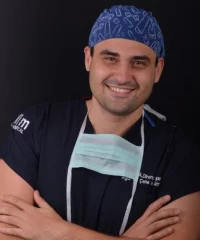
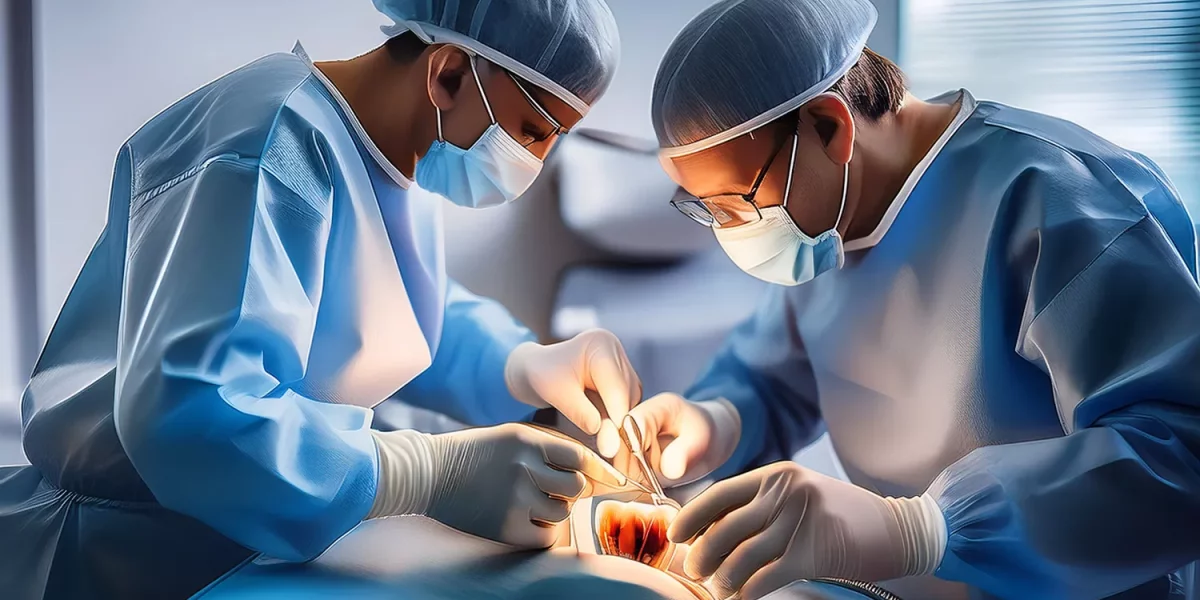
(with Dr. Ali Direnç Ulaşan, Oral & Maxillofacial Surgeon, Bursa)
Many people hear the words “tooth extraction” and immediately feel fear:
“Will it be very painful?”
“Will my jaw be damaged?”
“Do I really need surgery for this tooth?”
The truth is: a modern tooth extraction, especially in the hands of an experienced oral surgeon, is usually a short, controlled and surprisingly gentle procedure. The key is proper diagnosis, atraumatic technique and a specialist who understands both the tooth and the surrounding bone, nerves, sinuses and soft tissues.
In this article we will explain:
What tooth extraction and surgical extraction actually are
Who an oral and maxillofacial surgeon is
Who Dr. Ali Direnç Ulaşan is and what makes his approach different
Why it is so important that difficult tooth extractions are performed by a specialist
What atraumatic tooth extraction means and why it protects your bone and gums
How we keep you safe, comfortable and informed at every step
This article is written to be clear, honest and reassuring – so you can make a calm, informed decision about your dental treatment.
A tooth extraction simply means the removal of a tooth from its socket in the jawbone. There are two main types:
This is performed when the tooth:
Is fully visible in the mouth
Has a straightforward root shape
Has enough structure above the gum to be gently loosened
After numbing the area with local anaesthesia, the dentist or oral surgeon carefully loosens the tooth and removes it with controlled movements. You feel pressure but not sharp pain.
A surgical tooth extraction is needed when:
The tooth is broken at or below the gum line
The roots are curved, long or difficult
The tooth is impacted (like many wisdom teeth)
There is infection, cyst, or a close relationship to important structures such as the nerve or sinus
During a surgical extraction, the oral surgeon may:
Gently open the gum
Remove a small amount of bone around the tooth
Section the tooth into pieces to remove it without forcing the bone or jaw
Clean the area thoroughly and place stitches if needed
This type of extraction requires detailed knowledge of jaw anatomy and is where the training and experience of an oral and maxillofacial surgeon become especially important.
An oral and maxillofacial surgeon (OMS) is a dentist who has completed several additional years of hospital-based surgical training after dental school. Their speciality covers:
Surgical tooth extractions and impacted wisdom teeth
Bone grafts and sinus lifts
Dental implant surgery
Cyst and tumour removal in the jaws
Jaw fractures and facial trauma
Corrective jaw surgery and other complex procedures
In other words, an oral surgeon is not only focused on teeth, but on the entire jaw, nerve pathways, sinus anatomy and facial structures. This deeper knowledge helps reduce the risk of complications and improves both safety and comfort – especially in difficult extractions.
Dr. Ali Direnç Ulaşan is an oral and maxillofacial surgeon based in Bursa, Türkiye, and a co-founder of Milim Dental. His daily clinical practice is focused on:
Atraumatic tooth extractions
Surgical removal of impacted wisdom teeth
Immediate and complex dental implant surgeries
Full-arch treatments for patients who have lost many or all of their teeth
Dr. Ulaşan combines:
Advanced digital diagnostics (panoramic X-ray and CBCT)
Minimally invasive, bone-preserving techniques
A calm, explanatory style that helps patients feel safe and informed
For patients who are anxious or have had bad experiences in the past, this means one thing: a controlled, predictable and respectful experience – not a rushed or traumatic extraction.
Many simple extractions can be finished by a general dentist. However, in more complex cases, choosing an oral surgeon offers clear advantages:
Curved roots, very long roots or teeth close to the sinus or nerve require precise planning. An oral surgeon:
Evaluates the exact position with CBCT (3D imaging) when necessary
Chooses the safest surgical approach
Minimizes the risk of root fragments, sinus openings or nerve injuries
Patients with:
Diabetes
Heart disease
Blood thinners
Osteoporosis medications
need special management during any surgical procedure. An oral and maxillofacial surgeon is trained to:
Communicate with your physician if required
Choose the safest timing and technique
Control bleeding and healing in a medically informed way
If you might need a dental implant in that area in the future, the way your tooth is removed really matters. A specialist is focused not only on taking the tooth out, but on protecting the bone and gum so that an implant can later be placed in the best position with less need for grafting.
Oral surgeons perform extractions every day, including very complex ones. This experience means:
Faster and more efficient procedures
Less trauma to the tissues
Better options for anxiety management (gentle communication, sedation when indicated)
For you as a patient, this often translates to a shorter appointment and a smoother recovery.
The word “atraumatic” literally means “causing as little trauma as possible”. In dentistry, atraumatic extraction is a philosophy and technique that aims to:
Remove the tooth while preserving the bone and surrounding soft tissue as much as possible.
This is especially important if:
You plan to have a dental implant later
The tooth is in the visible front area and the gum line must remain beautiful
You want a faster and more comfortable healing period
During an atraumatic tooth extraction, an experienced oral surgeon like Dr. Ali Direnç Ulaşan will:
Use delicate instruments such as periotomes or luxators to slowly and gently loosen the tooth
Avoid unnecessary force, twisting or rocking that could fracture bone or damage the gum
Sometimes section the tooth into smaller pieces so that each piece can be removed with minimal pressure
Take special care to protect the thin bone on the outside of front teeth (the buccal plate)
The goal is not to “pull the tooth quickly and be done”, but to carefully separate the tooth from the surrounding structures, leaving the socket and tissues as intact as possible.
Because atraumatic extraction preserves bone, it is ideal for:
Immediate implant placement (implant placed into the socket at the same visit, when possible)
Reduced need for bone grafting later
Better aesthetic outcomes, especially in the front teeth
This is one of the reasons why, in a modern clinic like Milim Dental, atraumatic extraction is considered the standard, not the exception.
Many fears disappear when you clearly know what is going to happen. A typical tooth extraction or surgical extraction with Dr. Ulaşan in Bursa follows these steps:
Detailed discussion of your symptoms and concerns
Clinical examination of your teeth, gums and bite
X-rays (and CBCT if needed) to see the roots and surrounding bone
Explanation of:
Why the tooth needs removal
Whether it will be a simple or surgical extraction
Possible alternatives, risks and benefits
This is your time to ask every question you have – including common fears such as “Can my jaw dislocate?” or “Will it hurt a lot?”. Dr. Ulaşan answers calmly and clearly, so you feel included in the decision, never pushed.
Before starting, the area is thoroughly numbed with local anaesthesia. Most patients are surprised at how little they feel during the procedure – usually only pressure and movement, but no sharp pain.
For very anxious patients, additional methods (such as oral sedation in appropriate cases) can be discussed.
For a simple extraction, the tooth is gently loosened and removed.
For a surgical extraction, a small opening in the gum may be made; sometimes the tooth is divided into pieces.
Throughout the process, the focus is on atraumatic technique: minimal force, preserved bone, controlled steps.
If needed, the area is cleaned, smoothed and sutured to support healing.
You receive clear written and verbal instructions about:
Pain control and medication
How and when to apply cold packs
What you can eat and drink
When and how to start brushing and rinsing again
A follow-up visit is scheduled to check healing and remove stitches if necessary. You are not left alone after the procedure; support continues until healing is complete.
With modern anaesthesia and a gentle technique, most patients feel pressure but no sharp pain during the extraction. After the procedure, mild to moderate discomfort for a few days is normal, but it is usually well controlled with prescribed pain medication and careful post-operative care.
This is one of the most common fears. In experienced hands, with controlled movements and proper support, the risk of jaw or joint damage is extremely low. Choosing an oral and maxillofacial surgeon who regularly performs complex surgical extractions further reduces this risk.
Soft tissues (gums) usually close within 1–2 weeks
The bone remodels and fills in the socket over several months
Most patients return to normal daily activities within a few days, following the instructions given
Putting everything together:
Specialist training in oral and maxillofacial surgery
Daily experience with simple and complex extractions, including impacted wisdom teeth
Advanced digital imaging for precise planning
Atraumatic, bone-preserving technique
Clear communication that reduces fear and builds trust
Future-oriented planning for implants and long-term oral health
This combination helps ensure that your tooth extraction is not a traumatic story to remember, but rather a safe, carefully managed step towards a healthier, pain-free mouth.
If you are facing the need for a tooth extraction or have been told you require a surgical removal, choosing a skilled oral surgeon like Dr. Ali Direnç Ulaşan in Bursa means choosing:
Less fear, more control, and a strong foundation for your future smile.
Elbette, sunduğunuz başlık için optimize edilmiş Türkçe ve İngilizce Meta Açıklamaları (Meta Description) hazırladım: 1. Meta Description (Türkçe) Diş çapraşıklığı için gerçekten tel tedavisi mi gerekiyor, yoksa Invisalign yeterli mi? Ortodontik sorunlarınızın ciddiyetine göre geleneksel diş telleri ve şeffaf plak tedavisinin (Invisalign) farklarını, avantajlarını ve hangi durumlarda tercih edilmesi gerektiğini öğrenin. 2. Meta Description (English) Do you really need traditional braces, or can Invisalign fix your dental crowding? Learn the key differences, pros, and cons of metal braces versus clear aligner therapy (Invisalign) and determine the best treatment for your specific orthodontic case.
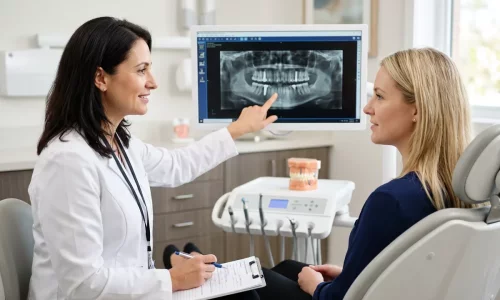
Explore the implant evaluation process. We review bone quality, gum health, and medical history to ensure your treatment success.
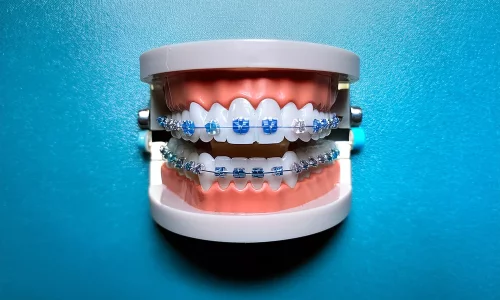
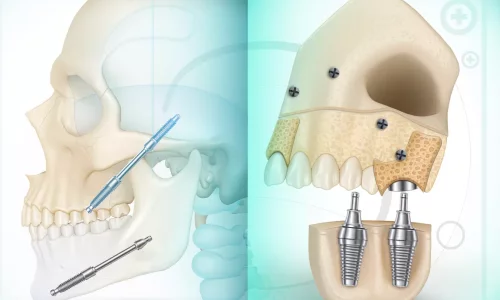
Discover the differences between zygomatic implants and bone grafting for reliable dental restoration.
Milim Dental Hospital isn't just a clinic—it's where confident smiles begin. With a team of world-class specialists, advanced technology, and a patient-first approach, we turn dental care into a premium experience.
We prioritize hygiene, comfort, and tailor-made treatments designed just for you. Don’t just take our word for it—explore real stories from real patients.
Your perfect smile starts here. Join the Milim experience.

Milim Dental Hospital provides comprehensive dental services in a spacious 1,000 m² facility, supported by a wide team of dental professionals including specialists in Oral and Maxillofacial Surgery, Prosthodontics, Orthodontics, Pediatric Dentistry, and Periodontology.