

“How long do dental implants last?” is one of the first questions almost every implant patient asks. It is a very natural question, because people want to know whether they are making a short-term decision or a long-term investment. Most patients are not only thinking about surgery or healing. They are thinking about durability, comfort, maintenance, and whether the result will still be stable years later.
The reason this question matters so much is that implants are often described as long-lasting solutions. That is true in many cases, but patients can become confused when they hear very absolute claims. Some read that implants last forever. Others see warnings online that make implants sound unpredictable. The truth is usually more balanced.
A dental implant can last for many years, but no responsible clinic should talk about longevity as if it were automatic. Long-term success depends on planning, bone support, gum health, oral hygiene, bite forces, maintenance, and patient habits. The implant itself is only one part of a bigger system.
At Milim Dental, this topic is explained honestly because long-lasting results do not come from optimism alone. They come from good diagnosis, proper treatment, and disciplined follow-up over time.
## **Are dental implants meant to be permanent?**
Patients often hear that implants are permanent, but this word can create unrealistic expectations. A better way to think about implants is that they are designed to be long-term tooth replacements. In many patients, they can function successfully for many years. But “permanent” should never be interpreted as “guaranteed forever with no maintenance.”
A dental implant has two main parts from the patient’s point of view: the implant in the bone and the restoration on top. These components may not behave in exactly the same way over time. The implant body itself may remain stable for a long period, while the visible crown or restoration may need adjustment, maintenance, or replacement earlier.
This is why patients should not reduce the question to a single number. Longevity is not only about whether the implant stays in place. It is also about whether the surrounding tissues remain healthy and whether the restoration continues to function well.
At Milim Dental, the goal is not to promise a magical timeline. The goal is to help patients understand what supports long-term implant survival in real life.
## **What affects how long implants last?**
Several factors influence implant longevity. Bone support is one of the most important. An implant needs stable bone around it, not only at placement but over time. Gum health is also essential because unhealthy tissues can threaten the long-term environment around the implant.
Oral hygiene has a major effect as well. Patients sometimes think implants are easier to ignore than natural teeth because they do not decay in the same way. But implants still rely on healthy tissue, and poor cleaning habits can create serious complications around them. A patient who maintains the area well usually gives the implant a much better long-term chance.
Bite forces also matter. Heavy grinding or clenching can affect both the implant and the restoration. Even well-placed implants may experience problems if the forces on them are not managed properly. Smoking, uncontrolled medical conditions, and skipped maintenance visits can also reduce long-term predictability.
At Milim Dental, all of these variables are treated as part of the implant conversation from the start, because patients deserve to know that longevity depends on the whole treatment environment, not just the implant itself.
## **Can the implant last longer than the crown on top?**
Yes, and this is something many patients do not realize. The implant inside the bone and the crown or restoration above it do not always age in the same way. In many cases, the implant body may remain stable for a long time while the visible part may eventually need maintenance, adjustment, or replacement.
This does not mean the treatment has failed. It simply means that restorations are subject to daily function, wear, bite forces, and material-related changes. Patients often feel reassured when they understand that a restoration issue is not automatically the same as implant loss.
This distinction is especially important because many people ask, “How long does the implant last?” when they are actually thinking about the whole visible tooth. The more helpful answer is that long-term success includes both structural stability and restorative maintenance.
At Milim Dental, this explanation is part of patient education because it makes long-term expectations more realistic and more useful.
## **Do implants fail more often over time?**
Implants do not simply “expire” after a fixed number of years, but the long-term environment around them still matters. Some implants remain healthy for a very long time, while others may develop tissue problems, overload issues, or restorative complications later. Time itself is not the only issue. Maintenance and function are.
Patients should understand that implants need follow-up even when everything feels comfortable. Some complications develop slowly, and patients may not notice early changes in gum health or bite stress. This is one reason why regular professional review matters so much.
Long-term problems are not always dramatic at first. Mild bleeding, difficulty cleaning, uncomfortable biting, or inflammation around the implant may appear gradually. If these are noticed early, they may be easier to manage. If ignored, they may become more serious.
At Milim Dental, implants are viewed as long-term treatments that deserve long-term attention. Duration is not only about years. It is about how those years are managed.
## **What can patients do to help implants last longer?**
The most important thing patients can do is maintain excellent oral hygiene. That means brushing properly, cleaning around the implant area carefully, and following any specific instructions given for the type of restoration they have. A patient’s daily routine has a major influence on long-term outcomes.
Regular check-ups are also important. Even if the implant feels completely fine, the dentist may detect early signs of tissue stress, hygiene difficulty, or bite overload before the patient notices symptoms. These visits are part of prevention, not just problem-solving.
Patients should also take habits like clenching and grinding seriously. In some cases, these habits place more stress on implants and restorations than patients realize. Addressing bite issues and using protective strategies when appropriate can support implant longevity.
At Milim Dental, the message is simple: implants can last very well when they are treated as long-term health structures, not just as replacements that can be forgotten.
## **Why is the patient’s role so important?**
Patients often focus on the surgery, the implant brand, or the initial result. All of that matters, but the patient’s role continues long after treatment day. A well-planned implant still depends on how it is cleaned, reviewed, and protected from harmful habits.
This does not mean patients should feel anxious. It means they should feel informed. The better a patient understands maintenance, the more actively they can help protect the result. Long-term implant success is a shared responsibility between treatment quality and patient care.
Some patients are surprised to learn that long-lasting implants usually belong to people who stay consistent with hygiene and follow-up. That is not a coincidence. Stability is not only something the dentist creates. It is something the patient helps preserve.
At Milim Dental, this shared responsibility is discussed early because realistic expectations lead to better long-term outcomes.
## **Frequently Asked Questions**
### **How many years can a dental implant last?**
A dental implant can last many years, and in some patients it may remain stable for a very long time. However, there is no single number that applies to everyone. Longevity depends on bone support, gum health, hygiene, bite forces, general health, and follow-up care. A responsible answer is always patient-specific rather than absolute.
### **Do implants last forever?**
They should not be described that way. Implants are designed as long-term solutions, but “forever” can create unrealistic expectations. The implant may remain stable for many years, but surrounding tissues and the restoration on top still need care and maintenance. Long-term success is possible, but not automatic.
### **Can the crown wear out before the implant does?**
Yes. The visible restoration on top of the implant may need maintenance or replacement before the implant body itself. This is not unusual and does not automatically mean the implant has failed. Patients often feel more comfortable once they understand that the implant and the crown do not always have the same lifespan.
### **What shortens implant lifespan?**
Poor oral hygiene, smoking, untreated gum inflammation, grinding, overloaded bite forces, and irregular follow-up can all reduce long-term implant success. Implants depend on healthy tissue and good function over time. The way a patient cares for the implant after treatment matters a great deal.
### **What helps implants last longer?**
Good cleaning habits, healthy gums, regular professional reviews, stable bite control, and awareness of habits like clenching all support long-term implant success. Strong treatment planning is important, but daily maintenance is just as important afterward. The best long-term results usually come from both.
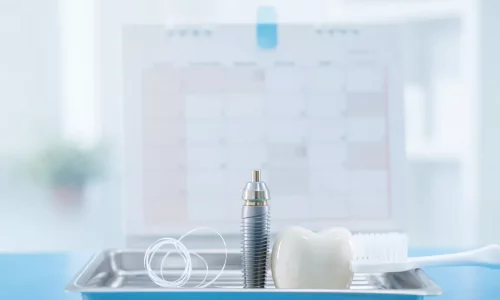
A guide outlining follow-up visits and care routines for dental implant patients in Turkey.
A guide explaining the role of gum contouring in achieving a perfect smile design.
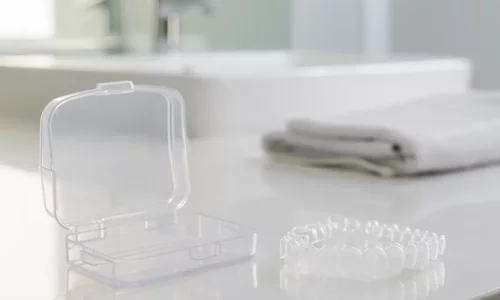
A guide explaining post-Invisalign retention and the role of retainers in preserving teeth alignment.
Milim Dental Hospital isn't just a clinic—it's where confident smiles begin. With a team of world-class specialists, advanced technology, and a patient-first approach, we turn dental care into a premium experience.
We prioritize hygiene, comfort, and tailor-made treatments designed just for you. Don’t just take our word for it—explore real stories from real patients.
Your perfect smile starts here. Join the Milim experience.


Milim Dental Hospital provides comprehensive dental services in a spacious 1,000 m² facility, supported by a wide team of dental professionals including specialists in Oral and Maxillofacial Surgery, Prosthodontics, Orthodontics, Pediatric Dentistry, and Periodontology.