
Dental implants in Turkey with a clear, realistic timeline
If you’re thinking about having dental implants in Turkey, one of the first questions you’ll naturally ask is:
“How long does the whole process really take from start to finish?”
Not just the surgery day, but:
Planning before you fly
Your stay in Turkey
Healing at home
The second visit for your final teeth
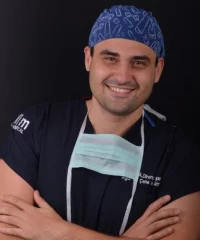
I’m Oral & Maxillofacial Surgeon Dr Ali Direnç Ulaşan, clinical director and owner of Milim Dental – a surgeon-led, Health Tourism Authorized boutique dental center, located about a 1-hour drive from Sabiha Gökçen Airport.
Let’s walk through a realistic timeline, step by step.
The process actually starts before you get on a plane.
Typical time: 1–4 weeks (can overlap with flight planning)
During this phase, we:
Arrange an online consultation (video or detailed written)
Review your photos, x-rays and any CBCT scans you can share
Discuss your medical history (diabetes, blood thinners, smoking, previous surgeries)
Prepare a preliminary treatment plan (e.g. single implants, All-on-4, bone grafts, sinus lifts, zygomatic implants if necessary)
By the end of this phase, you know:
Approximate treatment concept
Expected number of visits
Estimated healing time between visits
Recommended length of your stay in Turkey for the first trip
You can then book flights and accommodation with a realistic time expectation, not guesswork.
Your first trip is usually when we perform:
All extractions
Bone grafting (if needed)
Implant placement
Immediate temporary teeth in many full-arch cases
The length of stay depends on complexity:
Single or few implants (no major grafts):
Often 3–5 days is enough.
Full-arch implants (All-on-4 / All-on-6):
Usually 5–10 days, especially if we give you fixed temporary teeth within 24–72 hours.
Complex revision / zygomatic implants / extensive grafts:
Sometimes we advise at the longer end of that range.
Day 1 is usually diagnostics and final planning:
Clinical exam
Digital scan, x-rays, CBCT
Final confirmation of the surgical plan
Day 2–3 is typically surgery day:
Removal of hopeless teeth
Bone grafts or sinus lifts if required
Placement of the implants
If conditions allow, we then:
Take impressions or scans immediately
Deliver temporary fixed teeth (especially for full-arch concepts) within a couple of days
Remaining days are for:
Post-op control
Suture checks
Fine-tuning of temporary teeth
Discharge with full instructions
Once the implants are placed and you fly home, the main biological process is osseointegration: your bone bonding to the implant surface.
Approximate healing times:
Lower jaw (denser bone):
2–3 months on average
Upper jaw (softer bone):
3–4 months on average
Implants with major bone grafts or sinus lifts:
4–9 months depending on the technique and your biology
We individualise this based on:
Bone quality
Medical conditions (e.g. diabetes, smoking)
Whether immediate loading (temporary fixed teeth) was done
Radiographic and clinical control
During this phase, you:
Follow a soft diet (especially in the first 6–8 weeks)
Maintain excellent oral hygiene
Follow up locally as necessary
Keep in touch with us via WhatsApp/email, sending photos or x-rays if needed
You are not in Turkey during this healing period, which is why planning and coordination matter so much.
Once we confirm that the implants have integrated, it’s time for the final teeth.
Typical stay:
Single/few implants: 3–5 days
Full-arch or full-mouth reconstructions: 7–10 days
During this visit we:
Remove temporary teeth (if present)
Take digital scans/impressions of the implants and bite
Decide shade, shape and design of your new teeth
Do try-ins (especially in full-arch cases):
Test fit (framework)
Aesthetic and phonetic try-in (how you speak, smile, bite)
Deliver the definitive crowns or bridges
Check and adjust:
Bite (occlusion)
Speech
Comfort and cleanability
Provide a detailed maintenance plan (cleaning around implants, recommended check-up intervals)
If we put it all together, a typical dental implants in Turkey journey with Milim Dental looks like:
Planning phase: 1–4 weeks (remote, from home)
First visit: 3–10 days (surgery + early follow-up)
Healing phase:
2–3 months (simple lower jaw cases)
3–4 months (upper jaw, standard bone)
Up to 6–9+ months (complex graft/zygomatic cases)
Second visit: 3–10 days (final prosthetic work)
In calendar terms, most standard implant or All-on-4 cases are completely finished in about:
3–6 months from first surgery to final teeth.
More complex reconstructions with extensive bone augmentation can extend to:
6–12 months, but with functional temporary teeth in between.
The important thing is not just the length of the timeline, but that it is:
Medically safe
Clearly explained from the beginning
Planned around your real life, not just around a marketing package
That is exactly how we structure implant timelines at Milim Dental:
with biology, safety and your travel logistics all aligned from day one.
Understanding visit numbers for dental implants and full-mouth treatments
When people consider dental implants in Turkey, one of the key practical questions is:
“How many times do I actually need to fly to Turkey?”
Flights, time off work, family commitments… these all depend on the number of visits.
As Oral & Maxillofacial Surgeon Dr Ali Direnç Ulaşan, leading Milim Dental, a surgeon-led, Health Tourism Authorized boutique clinic about 1 hour from Sabiha Gökçen Airport, I’ll break this down simply.
For most international implant patients, the answer is:
Two main trips – one for surgery, one for final teeth.
During your first visit, we:
Confirm the treatment plan with in-person exams and imaging
Perform extractions if needed
Place the dental implants (single, multiple, All-on-4/All-on-6, zygomatic if necessary)
Provide temporary teeth in many cases (especially full-arch)
Length of stay:
Single/few implants: often 3–5 days
Full-arch implants / All-on-4: typically 5–10 days
After this trip, you return home for the main healing phase.
Once implants are integrated (after 2–6 months depending on case complexity), you return for your definitive restorations:
Implant crowns
Bridges
Full-arch prostheses
Length of stay:
Single/few implants: 3–5 days
Full-arch / full-mouth: 7–10 days
So for most patients, the complete treatment is done in 2 well-planned trips.
Many people search:
“Can I get implants in Turkey in just one visit?”
“Same-trip implants and crowns in Turkey”
In reality, for true, long-term implants, one-trip solutions are rare and restricted to very specific situations, such as:
Immediate implants with long stay (several weeks) and compromised prosthetic protocols
Special short-distance follow-ups (e.g. you plan to return very frequently)
Why it’s rarely recommended:
Implants need time to osseointegrate (bone healing is biological, not negotiable)
Rushing final crowns before solid integration increases the risk of failure
Most honest, evidence-based protocols prefer healing time between surgery and final prosthesis
At Milim Dental, we almost always recommend two separate trips, because our focus is:
Long-term success and safety, not the shortest possible marketing promise.
There are situations where more than 2 visits are safer and more predictable:
If you have:
Severe bone resorption
Very thin ridges
Large sinus pneumatization
we may need to:
Do a bone graft or sinus lift in one trip
Wait several months for the graft to mature
Place implants in the next trip
Finalise teeth in a third visit
Total: 3–4 trips, depending on complexity.
If we are:
Removing failed old implants
Treating infections or cysts
Planning zygomatic implants or advanced reconstructions
we sometimes split:
Removal and healing
Implant placement
Final prosthetics
into more than two trips, to let your body recover at each step and to minimise risk.
Some patients prefer shorter, more frequent visits instead of long stays, for reasons like:
Work
Children
Health conditions
We can sometimes adapt the number of trips accordingly, as long as medical safety is not compromised.
At our clinic, we never say “2 trips for everybody” as a rigid rule. Instead, we ask:
What is your starting situation?
Single tooth vs full-mouth
Simple vs complex bone conditions
Any failed implants or infections?
What is your medical background?
Diabetes, blood thinners, smoking
Bruxism, autoimmune conditions, etc.
What are your logistical possibilities?
How many days can you stay per trip?
How easy or difficult is it for you to travel?
What is your long-term goal?
Fixed teeth vs removable overdenture
Conservative vs extensive reconstruction
We then build a custom pathway:
Standard 2-trip plan whenever safely possible
3+ trips for big grafts or complex revisions
Rare exceptions when we adapt the structure but never compromise on biology
Scenario A – Simple single implant (no grafting)
Trip 1 (3–4 days): exam, implant placement, possible temporary
Healing at home: 2–3 months
Trip 2 (3–4 days): impression + final crown
→ 2 trips total
Scenario B – Upper All-on-4, lower 4 implants
Trip 1 (7–10 days): extractions, implants, immediate temporary bridges
Healing at home: 3–4 months
Trip 2 (7–10 days): final full-arch bridges
→ 2 trips total
Scenario C – Severe bone loss, graft + full arch
Trip 1: bone grafts / sinus lifts
Healing at home: 4–9 months
Trip 2: implant placement
Healing at home: 3–6 months
Trip 3: final full-arch teeth
→ 3 trips total
For most dental tourism implant patients in Turkey, the realistic answer is:
Two trips –
one for surgery and temporary teeth,
one for fully integrated, final restorations.
More complex cases may need three or more stages, especially when advanced bone grafting or revision of old work is involved.
The real key is not to force your body into a marketing-friendly number, but to let biology, safety and your life situation define the plan.
That is how we approach trip planning at Milim Dental – with a clear map from the first consultation, so you know exactly how many times you will fly, and what will happen in each visit.
Understanding pain, swelling, temporaries and daily life after implants in Turkey
One of the most emotional questions patients ask about dental implants in Turkey is:
“What is the healing like – and will I be without teeth?”
Beyond the technical language about implants and bone, this is about confidence, appearance and daily function:
Will you be able to smile during healing?
Will you be able to eat and speak?
How much pain and swelling should you expect?
I’m Dr Ali Direnç Ulaşan, Oral & Maxillofacial Surgeon and director of Milim Dental, a surgeon-led, boutique, Health Tourism Authorized clinic about 1 hour from Sabiha Gökçen Airport. Let’s answer this honestly and clearly.
The first days after implant surgery are the most intense in terms of healing.
Most patients experience:
Mild to moderate pain – usually very well controlled with prescribed painkillers
Swelling – often peaking between 48–72 hours after surgery
Sometimes bruising on the cheeks or under the eyes, especially after upper jaw, sinus lift or multiple implants
We give you:
A precise medication schedule (pain relief, anti-inflammatory drugs, antibiotics if indicated)
Instructions for cold packs (first 24–48 hours)
Clear guidance on sleeping position, oral rinses and hygiene
Pain is typically manageable and reduces significantly after the first few days.
For most implant patients at Milim Dental, the answer is:
No – you will not be left without teeth.
The type of temporary solution depends on your case.
If you are having a:
Full upper or lower arch
Or full-mouth rehabilitation
and your bone conditions and primary implant stability allow it, we:
Place the implants
Take immediate scans/impressions
Deliver a fixed temporary bridge within 24–72 hours
This means:
You leave Turkey with fixed teeth in place
You can smile, speak and function socially during healing
These temporary teeth are designed to:
Be lighter than your final restorations
Distribute forces gently
Protect the implants while they integrate
You will need a soft diet and avoid biting hard things, but you will have teeth.
If only one or a few teeth are being replaced, options include:
Immediate temporary crowns (in some cases, out of contact with heavy bite forces)
A small temporary bridge
A short-term removable partial denture or Essix retainer with a tooth on it
The choice depends on:
Implant stability
Occlusion (how your teeth meet)
Aesthetics (front vs back region)
We aim to ensure that, especially in the smile zone, you are not left with an obvious gap.
In some complex situations we may avoid immediate fixed temporaries:
Very soft bone
Extensive bone grafts or sinus lifts
High risk medical profiles
In these cases, you may wear a removable denture or no-pressure provisional for a certain time, to protect the grafts and implants.
We will always tell you this before surgery, so you’re not surprised.
During the early healing phase, diet is very important for implant success.
Soft, cool or lukewarm foods
Soups, yogurt, mashed potatoes, pasta, fish, soft eggs, smoothies
Avoid:
Very hot food/drinks
Spicy, very salty or acidic foods if they irritate stitches
Seeds and small particles that can get stuck in the wounds
Soft diet rule continues
You can slowly introduce more variety, but you should still:
Avoid biting hard crusts with your front teeth
Avoid nuts, hard candy, very crusty bread, raw carrots etc.
This allows implants to osseointegrate without excessive mechanical stress.
Most patients find:
Days 1–3: swelling and discomfort are strongest
Days 4–7: each day improves
After 1–2 weeks: almost all daily activities feel normal again
Stitches, if non-resorbable, are often removed 7–10 days after surgery.
Sensitivity, feeling of “tightness” or minor shape awareness of the temporaries can last longer, but usually:
You psychologically adapt
Tissues remodel
You feel more and more “at home” in your new bite
Healing is not only physical. It’s emotional:
Will you be comfortable going back to work?
Will people notice something strange?
Can you travel and socialise?
With temporary teeth in place, especially in full-arch situations, most patients:
Return to work after 1–2 weeks (depending on job type)
Feel confident speaking and smiling
Can interact socially without anyone knowing they are in a healing phase
We encourage you to:
Take it easy the first week
Avoid high-stress, high-visibility events in the first few days if you’re anxious
Communicate your schedule to us so we can plan accordingly
After implant surgery, cleaning is crucial:
We show you exactly how to brush around the surgical area
Initially, you may gently brush the non-surgical areas and use a prescribed mouthwash for the operated site
As healing advances, we gradually reintroduce:
Soft toothbrush
Interdental brushes (in full-arch cases, under bridges)
Possibly a water flosser
Good hygiene:
Reduces infection risk
Helps gums heal around implants
Protects your long-term outcome
The honest overview:
Will there be pain and swelling?
Yes – but it is usually manageable and temporary, with clear pain control plans.
Will you be completely without teeth?
In most Milim Dental implant and full-arch cases: no. You will have temporary teeth (fixed or removable) while implants heal.
Will you be able to work and socialise?
Yes, after the initial recovery window (often 1–2 weeks), most people return to normal life, with a soft diet and some caution.
Healing isn’t just surviving the first few days; it’s about feeling functional, confident and supported throughout the process.
That is why, at our surgeon-led, boutique clinic, we never think of implants only as “screws in the bone”, but as an entire healing journey – physical, emotional and social – where you are never left toothless or alone.
Aftercare, local dentists, and long-term support for implant patients from abroad
A lot of patients are less worried about the surgery itself and more about what happens afterwards, especially when the clinic is in another country.
You might be thinking:
“Once I fly home, am I on my own?”
“If something goes wrong, do I have to go all the way back to Turkey?”
“Will my local dentist be able to help me if they didn’t place the implants?”
These are very reasonable concerns.
I’m Dr Ali Direnç Ulaşan, Oral & Maxillofacial Surgeon and clinical director of Milim Dental, a surgeon-led, Health Tourism Authorized boutique center about one hour from Sabiha Gökçen Airport. Our entire dental tourism system is designed around safe aftercare and shared responsibility.
At the end of your surgical trip (or your prosthetic trip), we do more than a quick check and a handshake.
We:
Perform a final clinical exam before you travel
Make sure pain and swelling are under control
Provide a written summary of what has been done so far
Give you medication instructions (how long to continue, what to avoid)
Explain in plain language what is normal and what is not normal during healing
You leave with:
Our direct contact information (WhatsApp, email)
A clear plan for the next step:
Healing period and time frame
When to return for final teeth
Or what local follow-up is needed
Just because you’ve left Turkey doesn’t mean the relationship ends.
We encourage you to:
Send updates by message, especially in the first weeks
Share photos or short videos of the surgical areas and temporaries if you have concerns
If you have a local x-ray taken, send us a copy for interpretation
Our role here is to:
Reassure you when signs are within normal range
Recognise early when something is not normal (e.g. persistent pain, unusual swelling, suppuration)
Advise whether you can:
Continue with local home care, or
Need to see a local dentist, or
Should consider an earlier return to Turkey in rare cases
This remote triage is a major part of our commitment to international patients.
We actively encourage cooperation with a dentist near your home.
You may need stitches checked or small issues handled locally
You need regular cleanings and check-ups long after treatment is finished
If any minor problem appears, a local dentist can often manage it quickly
We provide:
A treatment summary describing:
Which implants were placed
Where they are located
What type of prosthesis is planned or already delivered
Radiographs and, when relevant, CBCT images
Clarification if your dentist wants to know what system/connection is used, etc.
We see your local dentist as an ally, not a competitor. Shared information = safer patients.
Once your final crowns or full-arch bridges are in place, follow-up is about prevention and maintenance.
Daily home care
Brush twice daily with appropriate toothpaste
Use interdental brushes or floss around implants and under bridges
Consider a water flosser for full-arch prostheses
Professional cleanings
See a dentist or hygienist at least once or twice a year for:
Professional cleaning around implants and natural teeth
Checking for early signs of peri-implantitis or gum inflammation
Radiographic control
Periodic x-rays to monitor bone levels around the implants
Comparison over time to detect any subtle changes
We usually recommend a maintenance schedule that you can follow locally and, if you wish, combine with occasional review visits to Milim Dental when you travel.
Even with perfect planning, dentistry is medicine, not mathematics. Complications, although not common, can happen:
Gum inflammation around implants (peri-implant mucositis)
Bone loss around implants (peri-implantitis)
Screw loosening in bridges
Fracture or chipping of prosthetic teeth after trauma or years of use
How we manage this:
Remote assessment first
You describe the issue
Send photos/x-rays if possible
We evaluate and advise the next step
Local intervention when appropriate
If it’s something a competent local dentist can handle (e.g. cleaning, screw tightening, small repair), we say so clearly
We can provide guidance to your local dentist if requested
Return to Milim Dental when necessary
For major prosthetic repairs, big biological complications or complex revisions, sometimes the best option is to return to the original surgical team
We help you plan the timing and scope of that visit
The key is that you are not left guessing. You have a team that knows your case from the beginning.
A high-volume “implant factory” might finish many cases per day, but long-term follow-up requires:
Accurate records
A real sense of responsibility for each case
Time to answer messages, photos and questions
At Milim Dental:
I, as an Oral & Maxillofacial Surgeon, personally oversee complex treatment plans and their follow-up.
We intentionally keep volume lower so that we can:
Respond to patients properly
Maintain continuity
Remember who you are and what we did
Because we are Health Tourism Authorized, our structure is designed for documented, traceable care, including what happens after you leave Turkey.
The honest answer is:
You will have two teams – and that’s good.
Milim Dental:
The team that planned and executed your implant treatment
The keeper of your full records and radiographs
Your remote advisor and, when needed, your retreatment center
Your local dentist/hygienist:
Your hands-on support for regular cleaning and check-ups
The first responder for minor issues
The long-term partner to keep everything stable
A safe dental tourism journey is not about “one clinic vs another country”;
it’s about creating a bridge between your implant team in Turkey and your everyday dental care at home.
That is exactly what we build for every international patient at Milim Dental –
so that when you fly home, you don’t leave your support system behind.
Toothache is a common oral health issue that can occur at any age. There are many causes behind tooth pain, and accordingly, multiple treatment approaches may be required. To quickly relieve tooth pain and restore oral health, it is essential to be examined by a qualified dentist.

Discover what makes zygomatic implants unique compared to traditional dental implants.
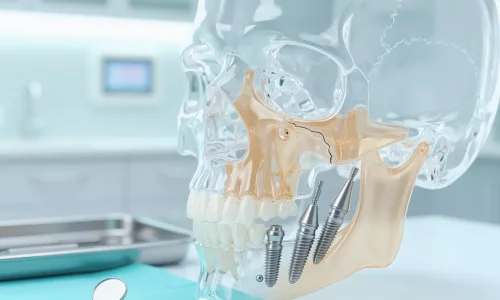
What shapes the price of a smile makeover? Explore the key factors, from treatments to technology, that impact your budget.
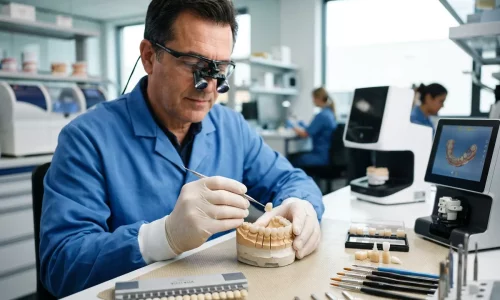
Milim Dental Hospital isn't just a clinic—it's where confident smiles begin. With a team of world-class specialists, advanced technology, and a patient-first approach, we turn dental care into a premium experience.
We prioritize hygiene, comfort, and tailor-made treatments designed just for you. Don’t just take our word for it—explore real stories from real patients.
Your perfect smile starts here. Join the Milim experience.

Milim Dental Hospital provides comprehensive dental services in a spacious 1,000 m² facility, supported by a wide team of dental professionals including specialists in Oral and Maxillofacial Surgery, Prosthodontics, Orthodontics, Pediatric Dentistry, and Periodontology.