English
Big Sale – Last Days for 20% Off!
59HOUR 27MINUTE 37SECOND
Is Orthodontic Treatment Painful?

Is Orthodontic Treatment Painful?

8 December Mon, 2025

Bursa Orthodontic Specialist Dr. Begüm Ulaşan Answers All the Questions

One of the most frequently asked questions by patients considering orthodontic treatment (braces or clear aligner therapy) is: "Is orthodontic treatment painful, will it hurt a lot?" or "Will I be in constant pain if I get braces or use clear aligners?"

This question is so common that Dr. Begüm Ulaşan, who works in orthodontics in Bursa, says almost everyone expresses the same concern with different phrasing during initial examinations.

Request a Free Treatment Plan from Our Expert Doctors

In this article, especially for patients planning orthodontic treatment in and around Bursa, we will address the question, "Is orthodontic treatment painful?" in detail and clearly, covering the following points:

  1. Which hurts more, braces or clear aligners?
  2. What sensations are felt in the first few days?
  3. Is this pain unbearable, or is it a manageable tenderness?
  4. What can be done to alleviate the pain?
  5. What are the practical solutions recommended by Dr. Begüm Ulaşan to her patients in Bursa?

1. What Do We Mean by "Pain"? What Sensation is Normal in Orthodontics?

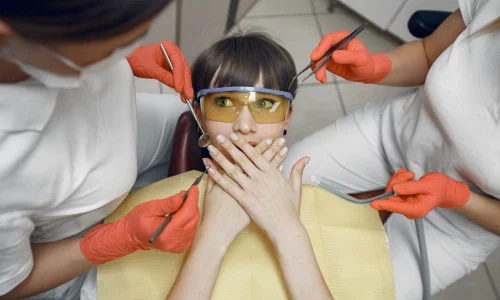
Let's clarify this question first: The "pain" referred to in orthodontic treatment is often not the kind of unbearable toothache that keeps you awake at night, as we might think of in daily life.

The sensations felt during the orthodontic process are temporary, mild-to-moderate feelings described as:

  1. Pressure
  2. Aching/Throbbing
  3. Tenderness
  4. Discomfort when chewing

Dr. Begüm Ulaşan summarizes this for her patients in her Bursa clinic:

"Orthodontics is a process where we apply light and controlled force to your teeth. It is neither realistic to expect to feel nothing nor to experience unbearable pain. In a properly planned treatment, a mild-to-moderate, manageable tenderness is normal."

In other words, the "pain" in orthodontic treatment is more:

  1. The pressure that makes you feel your teeth are moving.
  2. The sensation of "my teeth are being pressed on" when biting in the first few days.

Starting the treatment with this awareness and preparation also makes the process much easier psychologically.

2. The First Few Days with Braces: How Much Pain Is There?

The period when orthodontic treatment is felt the most is usually when the braces are first placed and the initial few days pass.

2.1. The First 24–72 Hours

After the braces are placed on the teeth or the first active force is applied:

  1. A mild feeling of fullness/pressure may start within the first few hours.
  2. Within 24–48 hours, this pressure may be felt as throbbing and tenderness in some teeth.
  3. Especially when trying to bite hard foods, the feeling of "it hurts when I put pressure on my teeth" may occur.

This sensation is normal and expected. Dr. Begüm Ulaşan explains this period to her patients in Bursa:

"You can think of the first few days as the muscle soreness you feel after exercising. The tissues around the tooth root are trying to get used to the new force. This tenderness will decrease as the body adapts."

Most people report:

  1. The pain significantly subsiding within the first 3–5 days.
  2. Feeling much more comfortable in daily life around 1 week.

2.2. Irritation of the Lips, Cheeks, and Tongue

Another source of discomfort in braces treatment is:

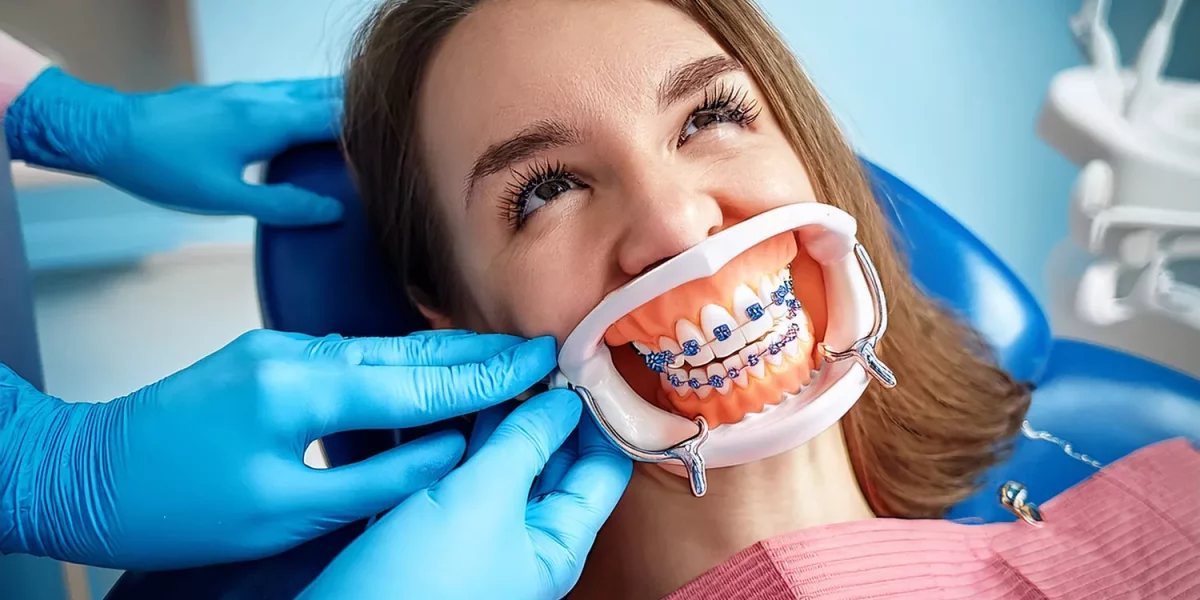
  1. The brackets (the small pieces glued to the teeth) irritating the inside of the lips and cheeks.
  2. The tongue occasionally touching the wire ends.

This situation can be noticeable, especially in the first few days and while talking or chewing. As the tissues adapt, the irritation decreases, and the mouth learns to "accept" the braces.

To help her patients in Bursa get through this period comfortably, Dr. Begüm Ulaşan provides:

  1. Special orthodontic wax.
  2. Sensitivity-reducing mouthwashes.
  3. Simple care recommendations.

In this way, tissue irritations can be controlled.

3. Is Clear Aligner Treatment Less Painful?

Today, many adults and adolescents in Bursa are opting for clear aligner treatment, saying, "I want orthodontics, but I don't want braces."

So, are clear aligners more comfortable in terms of pain?

3.1. The Type of Pain Felt with Clear Aligners

When clear aligners are changed (e.g., switching to a new tray every 7–10 days):

  1. Mild-to-moderate pressure and throbbing may be felt in the teeth for the first 1–2 days.
  2. Some teeth may be more sensitive during biting and chewing.

Logically, the tooth movement mechanism is the same: A new force is applied to the teeth with a new aligner, the tissues adapt, and the tenderness then subsides.

The difference is:

  1. Since there are no brackets inside the cheek/lip with clear aligners, the risk of irritation and sores is lower.
  2. From an aesthetic and comfort perspective, clear aligners are described by most patients as more comfortable than braces.

For this reason, Dr. Begüm Ulaşan in Bursa often recommends clear aligner treatment (if the case is suitable), especially for adults who prioritize appearance in their work and social life and are "more afraid of irritation than pain."

4. Is There Pain at Every Adjustment Appointment?

Not only when the braces are first placed, but also at every check-up appointment in orthodontic treatment:

  1. Wires may be tightened.
  2. Elastics may be changed.
  3. A new set may be started in the aligner system.

This situation can also cause temporary tenderness.

4.1. Days When Wires are Tightened/Updated

A certain amount of pressure and throbbing is normal in the teeth for the first 24–48 hours after the check-up. Discomfort may again be felt, especially when biting hard objects.

Dr. Begüm Ulaşan advises her patients in Bursa during these days to:

  1. Consume softer, easily chewable foods.
  2. Take simple painkillers for a short time if necessary (with a doctor's recommendation).
  3. Avoid extremely hot/cold foods.

This sensation is usually:

  1. More noticeable on the first day.
  2. Diminishing on the second–third day.
  3. Then returning to a level that does not impede daily life.

5. Is Orthodontic Pain Unbearable? What Do Patients Say?

Many people considering orthodontics read "horror stories" online: exaggerated comments like "I couldn't talk or eat for days" or "I cried for days" can increase anxiety.

Feedback from Dr. Begüm Ulaşan's hundreds of patients in Bursa is generally as follows:

  1. "The first 3–4 days were a truly difficult adjustment period, but then I felt much better."
  2. "It's more like constant pressure and tenderness than pain. It's not something unbearable."
  3. "I struggled when the braces were first put on, but subsequent adjustments were much milder."
  4. "With clear aligners, it feels strange during the first on-and-off period, but after two days, you even forget about it."

What is important here is:

  1. Being properly informed.
  2. Being aware that what will be experienced in the first few days is expected and temporary.
  3. Following the doctor's recommendations for pain management.

Although the perception of pain varies from person to person, the forces applied in orthodontic treatment are scientifically planned to be:

  1. Controlled.
  2. Within physiological limits.
  3. Without damaging the tooth root and surrounding tissues.

This ensures that the pain felt is at a manageable, not unbearable, level.

6. What Can Be Done to Reduce Orthodontic Pain?

Dr. Begüm Ulaşan in Bursa frequently shares the following practical recommendations with her patients to make the orthodontic treatment process more comfortable:

6.1. Prefer Soft Foods in the First Few Days

Foods such as:

  1. Soup
  2. Yogurt
  3. Puree
  4. Pasta
  5. Banana, boiled vegetables

make eating easier without applying excessive pressure to the teeth. Hard bread crusts, nuts, and hard fruits/vegetables like apples or carrots can cause unnecessary tenderness in the first few days.

6.2. Take Simple Painkillers if Necessary

If there is no systemic obstacle and your doctor approves:

  1. Simple painkillers can provide short-term relief, especially in the evening, when mild-to-moderate pain is felt during the first 1–2 days.

The key here is:

  1. Not to use medication continuously and uncontrollably on your own.
  2. To strictly follow the dose and frequency recommended by your orthodontist (like Dr. Begüm Ulaşan in Bursa).

6.3. Use Orthodontic Wax for Mouth Irritations

In cases where brackets irritate the inside of the lip and cheek:

  1. The special orthodontic wax provided by the doctor reduces friction when placed over the bracket.
  2. The irritated area heals more easily and quickly.

This wax is routinely given to patients at Milim Dental and many Bursa orthodontic clinics, and instructions on how to use it are provided.

6.4. Rinsing with Warm Water

Rinsing the mouth with warm water (not hot), and with antiseptic mouthwashes if recommended by the doctor, can alleviate soft tissue tenderness and support the healing process.

6.5. Psychologically Accept the "Adjustment Period"

Thoughts like, "I wish I hadn't done this" or "How will I get used to this?" are very normal in the first few days. Dr. Begüm Ulaşan usually tells her patients:

"The first week is a period where your body and mind are adapting to the new situation. View this process as a temporary investment. After a few weeks, most of my patients say they feel 'as if they don't have braces.'"

This perspective makes the pain and tenderness much more tolerable.

7. Who Might Feel Pain Slightly More?

In some individuals, orthodontic tenderness may be slightly more pronounced than in others. For example:

  1. Those who already have sensitive gums.
  2. Those who grind their teeth or use their jaw muscles excessively.
  3. Individuals with a lower pain threshold.
  4. Complex cases where intense movement is applied to many teeth simultaneously.

Even in these situations:

  1. The treatment plan can be adjusted with softer forces if necessary.
  2. Check-up intervals, the wires used, or the aligner sets can be tailored to your condition.
  3. Open communication with your doctor for pain management is very important.

Dr. Begüm Ulaşan in Bursa evaluates not only the position of the teeth but also the patient's comfort during check-ups and makes micro-adjustments to the planning if necessary.

8. What You Need to Know Before Starting Orthodontic Treatment

To give a healthier answer to the question, "Is orthodontic treatment painful?", it is helpful to keep these points in mind:

  1. Yes, it is not realistic to expect absolutely zero sensation. Mild-to-moderate pressure and tenderness are normal as your teeth shift.
  2. No, it is not unbearable pain that will completely disrupt your life. In a properly planned and monitored orthodontic treatment, the pain is manageable and short in duration.
  3. The first few days are the most challenging period; then the body adapts. After getting through the first week, most patients say, "It wasn't as bad as I expected."
  4. The difference felt between braces and clear aligners varies from person to person. The general trend is that clear aligner treatment is more comfortable in terms of irritation and similar to braces treatment in terms of pressure.
  5. Communicate openly with your doctor. An experienced orthodontist like Dr. Begüm Ulaşan in Bursa can make many small but effective touches to increase your comfort during the treatment process.

9. Conclusion: Is Orthodontic Treatment Painful?

Let's give an honest and realistic answer to this question:

  1. Yes, it is not expected that you will feel nothing while your teeth move during orthodontic treatment.
  2. No, this process is not filled with unbearable toothaches.

The experience of most patients is:

  1. Mild-to-moderate tenderness lasting 3–5 days after the first braces are placed or the first aligner set is started.
  2. A period of adaptation afterward.
  3. Similar, but shorter and milder tenderness lasting 1–2 days with each new activation or aligner change.

If you live in or can come to Bursa, and you are thinking:

  1. "I want orthodontics, but I'm afraid of the pain."
  2. "I don't know whether to get braces or clear aligners."

you can schedule a consultation with orthodontic specialist Dr. Begüm Ulaşan to learn in detail about:

  1. The treatment options specific to your mouth structure.
  2. The level of pain/tenderness you can expect.
  3. How the process can be managed more comfortably.

Remember: Orthodontics is an investment in the smile you will carry for a lifetime. The few days of tenderness at the beginning of this investment, when compared to the long-term aesthetic and functional benefits, turn into a process that most patients say, "I'm glad I did it."


Category: Orthodontics

A Milim
Makes a Big Difference

Milim Dental Hospital is the first dental centre to receive the "Health Tourism Authorisation Certificate" issued by the Ministry of Health of the Republic of Turkey.
All Articles
Are Veneers Right for You? How to Determine If You’re a Candidate
east

Dental veneers can transform your smile, but they may not be for everyone. If you're considering veneers, it’s essential to know if you’re a good candidate. Learn about the ideal candidates, oral health requirements, and considerations to decide if veneers are right for you.

All-on-4 Dental Implants: A Life-Changing Solution
east

All-on-4 implants offer a fixed, natural-looking smile in just one day. Ideal for those with total tooth loss, this solution provides quick recovery, high comfort, and long-lasting results—especially when performed at Milim International in historic Bursa.

Who is an Orthodontist?
east

Who is an orthodontist and what do they do? Who provides braces, Invisalign, and clear aligner treatments? Dr. Begüm Ulaşan and Milim Dental in Bursa detail the orthodontist's specialized training and their role in treating children and adults.

Why Patients
Choose Milim?

Milim Dental Hospital isn't just a clinic—it's where confident smiles begin. With a team of world-class specialists, advanced technology, and a patient-first approach, we turn dental care into a premium experience.
We prioritize hygiene, comfort, and tailor-made treatments designed just for you. Don’t just take our word for it—explore real stories from real patients.
Your perfect smile starts here. Join the Milim experience.
View All Experiences
play_arrow
Dt. İsmail Özkısaoğlu Dentist
Get a Free Consultation
play_arrow
Dr. Dt. Ali Direnç Ulaşan Oral, Dental, Maxillofacial Surgeon
Get a Free Consultation
play_arrow
Dr. Dt. Ali Direnç Ulaşan Oral, Dental, Maxillofacial Surgeon
Get a Free Consultation

Milim Dental Hospital provides comprehensive dental services in a spacious 1,000 m² facility, supported by a wide team of dental professionals including specialists in Oral and Maxillofacial Surgery, Prosthodontics, Orthodontics, Pediatric Dentistry, and Periodontology.

Our clinic is authorized by the Turkish Ministry of Health for International Health Tourism. This website is intended only for informing patients from abroad. It does not contain advertisements and complies with legal privacy regulations.
Milim Dental Hospital © 2025 - All rights reserved.

Have a Question on Your Mind?

English
Big Sale – Last Days for 20% Off!