
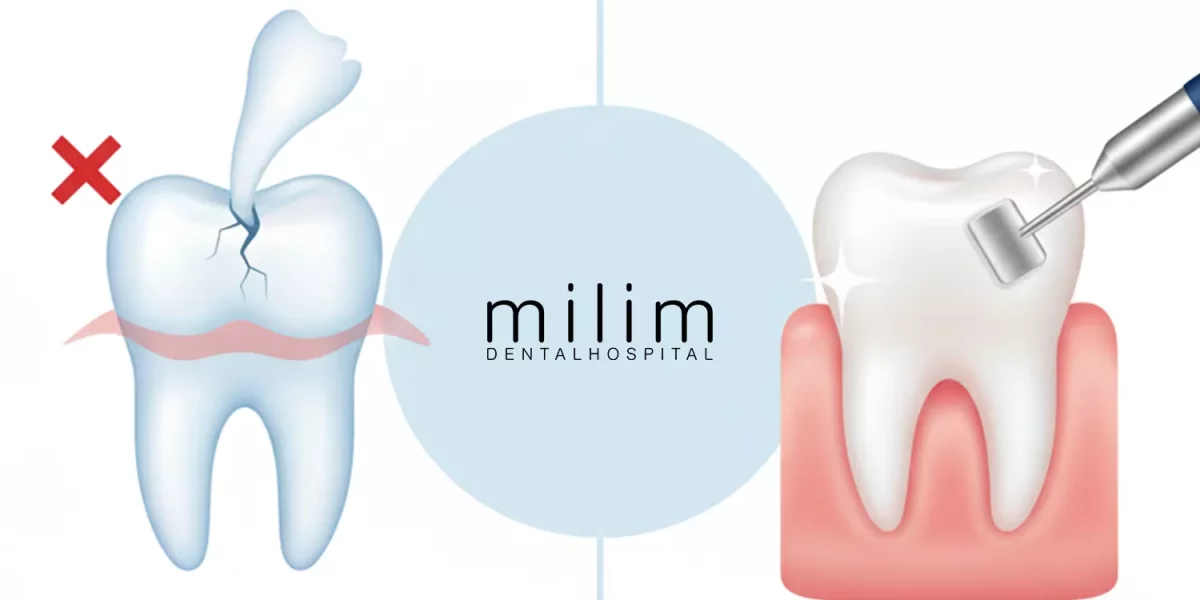
If you’ve been told that you need tartar cleaning (also called dental scaling or scaling and polishing), you may have mixed feelings. On one hand, you know clean teeth and gums are important. On the other hand, you might be thinking:
“Is tartar cleaning harmful?”
“Will scaling scratch my enamel?”
“Will my teeth become loose or my gums recede?”
These are very common fears. As a Bursa dentist or dental team, we hear questions like this almost every day. The good news is that, when done correctly by a professional, tartar cleaning is not harmful – in fact, it’s one of the most important preventive steps to protect your teeth and gums.
Let’s break down what dental tartar really is, how scaling works, and what you can safely expect.
Before we talk about cleaning, we need to understand what we are cleaning off.
Inside your mouth, bacteria naturally form a thin, sticky layer on your teeth called dental plaque. This is soft and can be removed with:
Good toothbrushing,
Floss or interdental brushes,
Mouthwash as an extra helper (not a replacement!).
If plaque stays on the teeth for too long, minerals from your saliva harden it into dental tartar (calculus). Tartar:
Sticks very strongly to the tooth surface,
Can build up between teeth, behind teeth and under the gumline,
Cannot be removed by normal brushing at home.
This is where dental scaling comes in.
Dental tartar causes trouble because:
It creates a rough surface that attracts more plaque,
It irritates the gums,
It is strongly linked to gingivitis (gum inflammation) and periodontal disease (gum and bone loss).
So if tartar is left in place for months or years, it can lead to:
Red, swollen, bleeding gums,
Bad breath,
Progressive bone loss and gum recession,
Loose teeth, and eventually tooth loss.
In other words, untreated tartar is much more harmful than professionally removing it.
Tartar cleaning is the process of removing hardened deposits from the teeth so that your gums can stay healthy.
At a dental clinic in Bursa or anywhere else, a typical scaling and polishing appointment may include:
Ultrasonic scaling
A small vibrating tip and a stream of water are used to break up and wash away tartar from the tooth surface and under the gumline.
Hand instruments
Your dentist or hygienist may use fine, curved hand scalers to carefully remove remaining tartar in hard-to-reach areas.
Polishing
After tartar is removed, the teeth are polished with a rubber cup or brush and a special paste. This helps smooth the tooth surface, making it harder for plaque to stick.
Depending on how much dental tartar you have, scaling can be:
A quick, simple visit, or
A longer, more detailed procedure, sometimes spread over more than one appointment.
For many patients, tartar cleaning is only mildly uncomfortable and does not require numbing. But if:
Your gums are very inflamed,
Deep tartar is present under the gums, or
You have very sensitive teeth,
your dentist may suggest local anaesthesia for comfort, especially during deep cleaning.
Let’s answer the main fear directly.
When performed correctly by a dental professional, tartar cleaning is not harmful – it is preventive and protective.
Professional dental scaling:
Removes the bacterial deposits that drive gum disease,
Reduces inflammation, bleeding and infection risk,
Helps prevent gum recession and bone loss in the long term,
Supports fresher breath and a healthier smile.
In contrast, leaving tartar on your teeth can lead to:
Chronic gum inflammation,
Progressive bone destruction,
Loose teeth and tooth loss.
So if you ask, “Is tartar cleaning harmful?”, the more accurate concern should be:
“What happens if I never have tartar cleaned?”
From a health perspective, ignoring tartar is far more dangerous than having it removed.
One of the most common myths about tartar cleaning is that the scaler will “scratch” or “shave down” healthy enamel.
Patients often notice after scaling that:
Their teeth feel different – sometimes smoother, sometimes more “exposed”,
Their tongue notices new shapes or spaces now that tartar is gone,
Gaps that were previously filled with tartar are suddenly open.
This can create the impression that:
“My teeth are thinner,” or
“The dentist scraped away my enamel.”
In reality, what has usually happened is:
The rough tartar has been removed,
The smooth natural enamel surface is now exposed,
You are feeling your true tooth shape again.
Modern scaling instruments are designed to target tartar, not healthy enamel. When used properly by a trained Bursa dentist or hygienist:
The tip angle and pressure are controlled,
Contact time on the tooth is limited,
The goal is to break the bond between tartar and tooth, not to grind the tooth itself.
Your enamel is the hardest tissue in the body. It is not fragile glass that disappears with a single cleaning. Regular, professional scaling carried out at appropriate intervals does not thin healthy enamel.
Another common concern is tooth sensitivity after scaling.
You might feel:
Sharp twinges with cold drinks,
Sensitivity to air or sweet foods,
More awareness of your teeth for a few days.
This usually has a simple explanation:
Thick dental tartar may have been covering parts of your tooth roots,
Once tartar is removed, those root surfaces or neck areas of the tooth become exposed to the mouth again,
These areas are naturally more sensitive than enamel.
So the removal of tartar doesn’t “create” damage – it uncovers areas that were already there but hidden under hard deposits.
In most cases, tooth sensitivity after scaling is:
Mild to moderate,
Temporary (days to a couple of weeks),
Manageable with desensitising toothpaste and careful brushing.
If sensitivity is:
Very strong,
Getting worse instead of better, or
Lasting more than a few weeks,
you should return to your dental clinic in Bursa or local dentist to have it checked. Occasionally, additional treatment or protective coatings may be helpful.
This is another area where cause and effect are often misunderstood.
Long-term gum inflammation from plaque and tartar is a major cause of:
Gum tissue shrinking away,
Loss of bone around the teeth,
Teeth looking longer and sometimes feeling looser.
In other words, chronic tartar buildup is a driver of gum recession, not scaling.
After a professional cleaning, patients sometimes say:
“My gums receded after tartar cleaning,” or
“My teeth suddenly look longer.”
What usually happens is:
Before cleaning, gums are swollen and puffy from inflammation,
Tartar is also occupying space near the gumline,
After scaling and healing, the swelling goes down and the gums return to a more normal, tighter position,
The teeth therefore appear longer, because the true tooth surface is visible again.
This is not new damage caused by scaling, but a healthier gum shape revealing what was already there.
Professional tartar cleaning aims to protect gum and bone health over the long term, not harm it.
There is no single answer for everyone, but there are useful general guidelines.
Many patients benefit from scaling and polishing:
Every 6 months, or
Every 12 months, depending on their situation.
However, the right interval depends on:
How quickly you build up dental tartar,
Your brushing and flossing habits,
Whether you smoke,
Medical conditions (e.g. diabetes),
Medications that affect saliva or gums.
Think of tartar cleaning like servicing your car:
Too rarely: problems silently grow until major damage occurs.
Too frequently without reason: unnecessary time and cost with little added benefit.
Your Bursa dentist or hygienist will suggest a schedule based on your individual risk. Following that plan is usually the safest and most efficient choice.
This is an important part of answering “Is tartar cleaning harmful?”
Dental scaling should be performed by:
A licensed dentist, or
A trained dental hygienist working under a dentist’s supervision.
They have:
The right instruments and equipment,
The knowledge of tooth and gum anatomy,
The training to use correct angles, pressure and techniques.
Poor technique, improper tools or “cleanings” done in non-dental settings can cause problems, such as:
Roughened tooth surfaces,
Over-instrumentation of roots,
Incomplete tartar removal.
That’s why choosing a reliable dental clinic in Bursa or in your own city is crucial. Look for:
Clear qualifications and registration,
Good hygiene and sterilisation practices,
Professional communication and explanations,
A calm, respectful approach to your fears and questions.
When you are in safe, trained hands, tartar cleaning is not harmful – it is part of responsible mouth care.
To make your tartar cleaning appointment smoother:
Inform your dentist about any medications, especially blood thinners,
Mention medical conditions like diabetes or heart problems,
Tell your dentist if you’ve had strong sensitivity or bad experiences in the past – they can plan accordingly.
Once scaling is done, your dentist may recommend that you:
Avoid extreme hot and cold foods or drinks for the first day if your teeth are sensitive,
Brush gently but thoroughly twice a day,
Clean between your teeth daily (floss or interdental brushes),
Use a desensitising toothpaste if tooth sensitivity after scaling bothers you,
Return for follow-up if sensitivity, swelling or pain do not improve.
These simple steps help your gums heal and keep your teeth cleaner for longer.
No. Proper tartar cleaning does not weaken healthy teeth. It removes external deposits (tartar and plaque) that were stuck to the surface.
Your teeth themselves remain structurally the same. In fact, by reducing infection and bone loss risk, scaling helps keep your teeth stronger and more stable in the long run.
If teeth feel looser after scaling, it is usually because:
They were already affected by gum disease and bone loss,
Tartar was “splinting” them together and hiding the mobility.
Once tartar is removed, the real condition of the tooth support becomes visible. Scaling did not cause the looseness; it revealed it.
The goal of professional cleaning is to stop or slow further damage, not to make things worse.
As mentioned earlier, this is often due to:
Swollen gums shrinking back to a healthier state,
Tartar that made teeth look shorter being removed,
Real tooth length becoming visible.
It can be surprising, but it is usually a sign that inflammation is improving, not that the cleaning caused new gum recession.
Good home care is essential and can greatly reduce how often you need professional cleaning. However, even excellent brushing and flossing can miss:
Hard-to-reach areas,
Deep grooves,
Tight spaces between teeth.
Over time, some dental tartar may still form. Dental scaling acts as a “reset”, giving you a clean starting point so your home care is more effective.
Think of it like professional cleaning for your car or home – it doesn’t replace daily cleaning, it complements it.
Once plaque has hardened into tartar, it is strongly attached to the tooth. Home remedies, hard toothbrushes or scraping with sharp objects can:
Damage enamel or gums,
Scratch tooth surfaces,
Miss tartar below the gums where the real problem is.
Only professional tools and techniques can safely remove tartar. At home, your job is to prevent new tartar by:
Brushing twice daily,
Cleaning between teeth every day,
Limiting sugary snacks and drinks,
Visiting your Bursa dentist or local dentist regularly.
So, is tartar cleaning harmful?
When performed correctly by a trained dental professional, the answer is no. In fact:
Properly performed tartar cleaning is not harmful; it is a protective, preventive procedure that helps save teeth and gums.
It:
Removes disease-causing deposits,
Helps prevent gum recession and bone loss,
Reduces bad breath and bleeding,
Supports long-term oral health.
Avoiding professional cleaning out of fear can quietly allow gum disease to progress until much more serious – and costly – problems appear.
If you are worried about dental scaling or have questions about tooth sensitivity after scaling, the best step is to talk openly with a trusted dentist.
If you live near Bursa, Turkey, consider booking a visit at a reputable dental clinic in Bursa. A friendly consultation can:
Check your gums and tartar levels,
Explain exactly what you need (and what you don’t),
Create a personalised plan to keep your smile healthy, clean and comfortable for years to come.
For many patients suffering from severe upper jaw bone loss, traditional dental implants are no longer a viable option. Years of tooth loss, periodontal disease, or previous failed implants can result in such bone deterioration that conventional solutions simply don't work. That’s where Zygomatic Implants come in — and at Milim Dental, we specialize in delivering successful outcomes for even the most challenging cases.
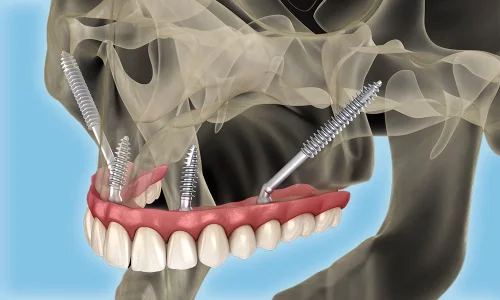
A checklist of necessary records for a successful orthodontic consultation.

All-on-4 dental implants offer a fast, reliable, and minimally invasive solution for full-arch tooth loss. Using just four implants per jaw, this technique restores both function and aesthetics—without bone grafting or long recovery times. Perfect for "Teeth in a Day" candidates.
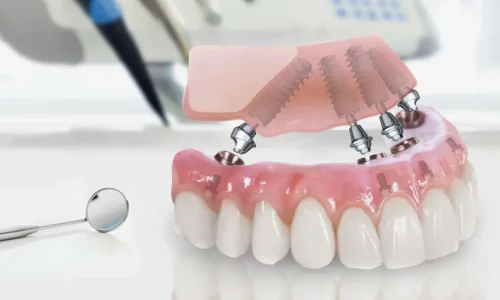
Milim Dental Hospital isn't just a clinic—it's where confident smiles begin. With a team of world-class specialists, advanced technology, and a patient-first approach, we turn dental care into a premium experience.
We prioritize hygiene, comfort, and tailor-made treatments designed just for you. Don’t just take our word for it—explore real stories from real patients.
Your perfect smile starts here. Join the Milim experience.

Milim Dental Hospital provides comprehensive dental services in a spacious 1,000 m² facility, supported by a wide team of dental professionals including specialists in Oral and Maxillofacial Surgery, Prosthodontics, Orthodontics, Pediatric Dentistry, and Periodontology.