How to look after your implant-supported teeth for life
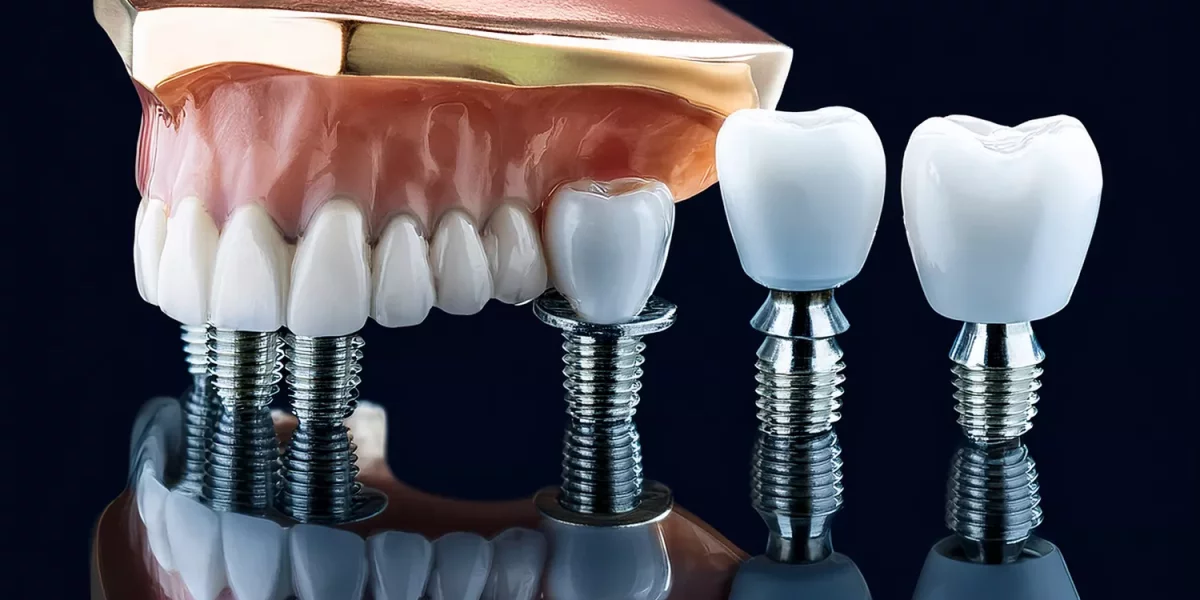
Getting dental implants – whether a single crown, a bridge or a full arch like All-on-4 / All-on-6 – is a big step.
Most patients ask me before surgery:
“How long will my implants last?”
My honest answer is always the same:
“Implants are designed to be a long-term solution –
but how long they last depends as much on you as on me.”
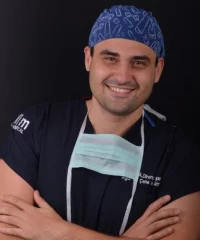
I’m Oral & Maxillofacial Surgeon Dr Ali Direnç Ulaşan, owner and clinical director of Milim Dental –
Turkey’s first Health Tourism Authorized boutique dental center, located about one hour by car from Sabiha Gökçen Airport.
My team and I perform:
Single and multiple dental implants
Full-arch All-on-4 / All-on-6 implant bridges
Advanced bone graft and sinus procedures
Complex revision cases after failed implants
But no matter how advanced the surgery is, the story does not end when we screw the new teeth into place.
In many ways, that is just the beginning.
This article explains, in clear language:
How to care for implant-supported teeth long term
The difference between early healing care and lifetime maintenance
How to clean under bridges, All-on-4 and All-on-6 restorations
Habits that protect or damage implants and bone over time
What follow-up schedule we recommend for our own patients
If you already have implants, or are planning them, this is your manual for keeping them healthy for as long as possible.
One of the first myths we need to break is:
“Doctor, implants don’t decay, so I don’t need to worry as much, right?”
It’s true that:
The implant itself (titanium or zirconia) does not get cavities like natural tooth enamel.
But the tissues around the implant absolutely can get inflamed and infected.
Around natural teeth we talk about:
Gingivitis
Periodontitis
Around implants we talk about:
Peri-implant mucositis – inflammation of the gums around the implant
Peri-implantitis – inflammation plus bone loss around the implant
Peri-implantitis is one of the main reasons implants are lost in the long term.
The good news:
most of this is preventable with proper home care and regular professional maintenance.
We can divide implant care into two phases:
This is when:
Bone is integrating with the implant (osseointegration)
Gums are healing around the implant and any bone graft area
You may have temporary crowns/bridges or provisional All-on-4/All-on-6 teeth
Our focus here is:
Protecting the surgical site
Avoiding excessive chewing forces
Preventing early infection
You’ll receive detailed instructions on:
What to eat and what to avoid
How to brush around the area
How and when to use mouthwashes
When to come for check-ups
Once you have your final implant crown/bridge or full-arch fixed teeth, the focus changes:
Now we protect the supporting bone and gums
We monitor the prosthesis, screws and bite
We manage habits like clenching, smoking, and sugar intake
This phase lasts for as long as you have implants – ideally, for life.
Implant-supported teeth must be cleaned every day, just like natural teeth – sometimes even more carefully.
The exact tools depend on your case, but the principles are the same.
Treat them like a natural tooth – with extra attention:
Soft toothbrush (manual or electric)
Angle the bristles towards the gum line, small circular motions
Floss or interdental brushes between teeth
Slide gently around the implant crown to remove plaque
Consider a water flosser as an additional tool, especially if you have multiple implants
The goal:
Keep the gum around the implant pink, firm and not bleeding.
Fixed bridges and full arches require a different technique because:
Food and plaque can accumulate under the bridge
You cannot simply floss like between single teeth
We typically recommend:
A soft toothbrush for visible surfaces
Interdental brushes and/or
Superfloss / special implant floss to slide under the bridge
A water flosser to flush the underside and hard-to-reach areas
With All-on-4 / All-on-6 full-arch bridges, you will be shown:
Exactly where and how to insert special brushes
How to clean the junction between the bridge and the gum
How often to clean (usually twice daily thorough cleaning, plus quick rinses if needed)
If you’re an international patient, we usually demonstrate this in person, then send you video reminders and written instructions.
Even with perfect home care, you cannot see everything:
You can’t see early bone changes
You can’t see small screw loosening or micro-fractures
You can’t measure pocket depths around implants
This is why professional follow-up is part of the life plan of every implant.
In most stable cases we recommend:
Every 6 months for professional cleaning and check-up
In higher-risk patients (heavy smokers, diabetics, history of periodontitis), we may recommend:
Every 3–4 months
For international patients, we usually design a shared plan:
Main check-ups and x-rays with us
Interim professional cleanings with a trusted clinic near your home
A long-term implant maintenance visit at Milim Dental typically includes:
Clinical examination of gums around implants
Checking for:
Redness
Swelling
Bleeding on gentle probing
Pus or deep pockets
Evaluating your bite:
Any new contacts or high spots?
Are certain implants overloaded?
Assessing prosthesis stability:
Loose screws?
Micro-movement of bridges?
Small chips in ceramic or acrylic?
Professional cleaning:
Using instruments and tips specifically designed for implants (to avoid scratching)
Removing hardened plaque (calculus) from around implants and teeth
Periodic x-rays:
To monitor bone levels around the implants
To compare over the years for any signs of peri-implantitis
If we see early problems, we can intervene before they become serious.
Implants and implant-supported teeth are strong –
but they are not indestructible.
Certain habits increase your risk of long-term complications more than others.
Smoking is one of the biggest enemies of implants.
It:
Reduces blood supply to gums and bone
Increases the risk of infection and delayed healing
Is strongly associated with peri-implantitis and implant loss
If you smoke:
Ideally, stop completely – especially if you had bone graft or sinus lift
At the very least, reduce drastically and avoid smoking around surgery phases
We are always honest with patients:
smokers can still receive implants, but their long-term risk is higher – and maintenance must be even more disciplined.
Bruxism can:
Overload implants
Loosen screws
Chip or fracture ceramic or acrylic teeth
Damage the bone around implants over time
If we suspect bruxism (or you already know you clench), we will usually recommend:
A night guard (occlusal splint) designed to protect:
Your implants
All-on-4 / All-on-6 bridges
Remaining natural teeth
Wearing a night guard consistently is, for many patients, the difference between:
A stable prosthesis for years
and
Repeated fractures, loosenings and adjustments.
Implant-supported teeth feel very solid.
That can tempt you to:
Bite pens
Open packages
Crack nuts
Please don’t.
Treat your implant teeth as expensive, high-precision tools – because they are.
Use them for chewing food, not for cutting, tearing or breaking objects.
Your general health matters:
Poorly controlled diabetes
Severe deficiency states
Chronic inflammation
can all increase the risk of implant complications.
We encourage all our patients to:
Control systemic conditions with their physicians
Maintain a balanced diet rich in vitamins and minerals
Avoid extreme crash diets that affect healing (especially around surgery periods)
If you’ve had:
Full-arch All-on-4 / All-on-6 implants
Advanced bone graft procedures
Sinus lifting
Zygomatic implants or complex reconstructions
your long-term care is even more important.
Because:
There is more hardware in your mouth (implants, screws, prosthetic joints)
The restorations cover a larger area, creating more places for plaque to hide
The underlying bone (often grafted) must be protected from chronic inflammation
For such patients we are particularly strict about:
Regular maintenance visits
Detailed hygiene instruction
Night guard use (if you have strong bite forces)
X-ray monitoring
In return, many of these patients go from:
“I can’t chew properly and my denture moves.”
to
“I eat normally, smile confidently, and forget my teeth are not natural.”
But this only stays true if the maintenance plan is followed.
Even with perfect care, issues can appear.
The most important rule is:
Do not ignore early warning signs.
Contact your implant dentist or our team if you notice:
Bleeding around an implant that doesn’t improve with good cleaning
Persistent bad taste or odour in one area
A feeling that a part of your bridge is moving or “clicking”
Pain on chewing in a specific implant
Sudden changes in bite or how your teeth meet
Swelling, pus, or a pimple-like spot near an implant
Most problems are much easier to treat in early stages:
A simple professional cleaning and local treatment may solve mucositis
A loose screw can be tightened before it fractures
A small chip in a prosthesis can be repaired before it breaks more extensively
Waiting “to see if it goes away” often turns a minor issue into a major one.
Many of our implant and All-on-4 / All-on-6 patients live abroad.
For them we create a hybrid follow-up plan:
Key phases (surgery, early healing, final prosthesis, and periodic check-ups) with us at Milim Dental
Regular cleanings and basic follow-up with a trusted local dentist or hygienist near their home
We provide:
Detailed surgical and prosthetic reports
X-rays and 3D images when needed
Clear instructions for your local clinician regarding implants, bone graft areas and prosthesis design
You remain our patient,
even if you are thousands of kilometres away –
and we stay in touch for questions, photos and advice.
If we compress everything into a simple checklist, long-term implant maintenance means:
At home:
Brush twice daily with a soft brush
Use interdental brushes / floss / water flosser as instructed
Wear your night guard if recommended
Avoid smoking or reduce as much as possible
Don’t use your teeth as tools
At the clinic:
Have professional check-ups and cleanings every 6–12 months
Take periodic x-rays to monitor bone around implants
Adjust the bite if needed
Repair small issues early
And above all:
Treat your implant-supported teeth with the same –
or even more – respect than your natural teeth.
Dental implants, All-on-4 and All-on-6 bridges, zirconia and e.max restorations, bone grafts –
these are all powerful tools we use to rebuild smiles.
But tools alone are not enough.
At Milim Dental, as a surgeon-led, multidisciplinary, boutique clinic, we see implant treatment as a long-term partnership:
We design and place the implants
We perform the bone grafts and advanced surgeries when needed
We deliver stable, aesthetic restorations
You:
Care for them daily
Keep your follow-up visits
Tell us early if something changes
When both sides do their part, implants can truly be a long-term solution, giving you:
Confidence to smile
Comfort to chew
And the freedom to forget, most days, that your teeth are not the ones you were born with –
but the ones you chose, and continue to care for.
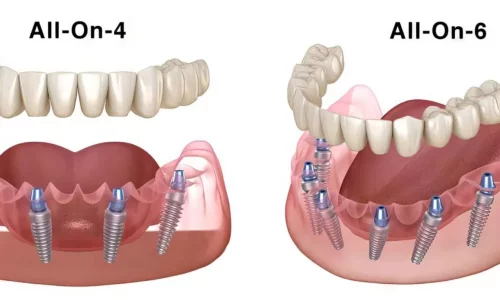
All-on-4 provides an efficient and cost-effective solution using four implants, while All-on-X offers a personalized approach with flexible implant numbers based on your jaw anatomy. Learn which method best suits your oral health, lifestyle, and long-term goals.
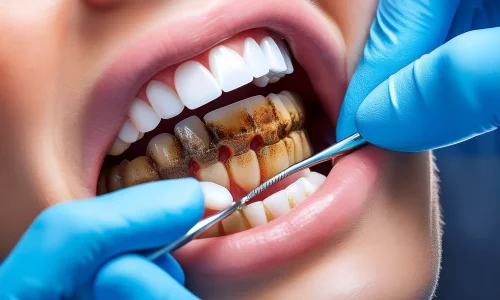
Why is professional teeth cleaning and tartar removal essential? Discover how this procedure is the foundation of healthy gums, the risks of plaque and calculus buildup, and how often you need to see your dentist for optimal periodontal health.
Oral and dental health plays a critical role in daily life. Since teeth are essential for proper nutrition, any damage can lead to discomfort and negatively affect overall well-being. Toothaches may indicate various underlying dental problems; therefore, consulting a dentist at the first sign of pain is important.
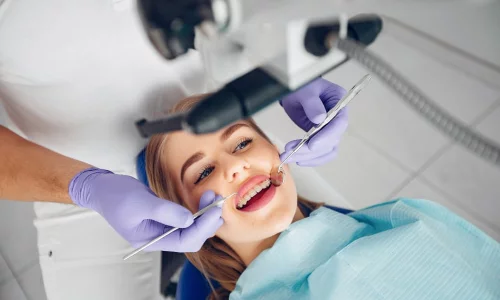
Milim Dental Hospital isn't just a clinic—it's where confident smiles begin. With a team of world-class specialists, advanced technology, and a patient-first approach, we turn dental care into a premium experience.
We prioritize hygiene, comfort, and tailor-made treatments designed just for you. Don’t just take our word for it—explore real stories from real patients.
Your perfect smile starts here. Join the Milim experience.
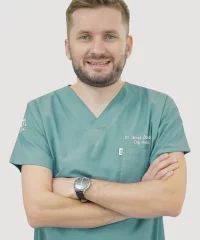

Milim Dental Hospital provides comprehensive dental services in a spacious 1,000 m² facility, supported by a wide team of dental professionals including specialists in Oral and Maxillofacial Surgery, Prosthodontics, Orthodontics, Pediatric Dentistry, and Periodontology.