How to avoid over-treatment in dental tourism – from a surgeon who sees the revision cases
If you spend any time on TikTok or Instagram, you’ve probably seen the phrase “Turkey teeth”.
Usually it comes with:
Dramatic before/after photos
Stories of people getting a full set of crowns in a few days
Or, on the other side, regret videos: “My Turkey teeth are ruined”, “I’m only 25 and now I need root canals and implants”
Some of this content is exaggerated, but a lot of it points to a real problem:
Not every patient who flies abroad for a new smile receives appropriate, conservative treatment.
Many receive over-treatment: more drilling, more crowns, more implants than medically necessary.
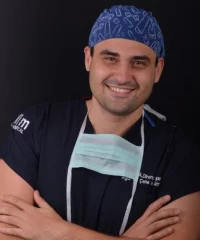
I’m Oral & Maxillofacial Surgeon Dr Ali Direnç Ulaşan, clinical director and owner of Milim Dental – a surgeon-led, Health Tourism Authorized boutique dental center, located about a 1-hour drive from Sabiha Gökçen Airport.
We see both sides of dental tourism:
Patients who come to us first and leave with stable, conservative, natural-looking smiles
And patients who come for revision after aggressive “Turkey teeth” work done elsewhere:
Healthy teeth cut down for crowns
Crowns placed on poorly treated gums
Implants placed where simple dentistry would have been enough
This article is not “Turkey-bashing”, and it’s not “Turkey is perfect” marketing.
It’s an honest, professional guide to:
What “Turkey teeth” usually means
How over-treatment happens
What real, ethical treatment planning looks like
How to protect yourself from becoming a revision case
The term “Turkey teeth” didn’t come from dentists. It came from social media and patient experiences, mostly from the UK and Europe.
When people say “Turkey teeth”, they usually mean:
A very bright, uniform smile that looks the same on almost everyone
Achieved by preparing (shaving) most of the visible teeth and covering them with full crowns
Done very quickly, often in one short holiday
Sometimes too big, too white, too opaque – “toilet-bowl white”
Clinically, it often implies:
Over-prepared teeth (large amounts of enamel removed)
Crowns where veneers, whitening or orthodontics might have been enough
A focus on speed and aesthetics, not long-term biology
The truth is:
Turkey has many excellent, conservative, evidence-based dentists and surgeons.
But it also has high-volume clinics and “smile factories” where full crowns on every tooth have become a default product.
The problem is not Turkey itself.
The problem is any system, in any country, where dentistry is treated more like cosmetic fast fashion than long-term medical treatment.
Let’s translate “over-treatment” into actual patient stories we see in revision cases.
The patient is in their twenties or early thirties. Before treatment:
Almost no decay
No major cracks or fractures
Maybe some crowding, old composite fillings, mild yellowing
They wanted a whiter, straighter smile. Instead of:
Whitening + minor orthodontics
Possibly a few minimal-prep veneers on key teeth
they received:
Crowns on nearly every tooth from first molar to first molar
Teeth cut down aggressively, beyond enamel, into dentin
Some teeth so traumatised that root canals are needed within a few years
Short-term: the smile looks white and “perfect” on photos.
Long-term: these teeth are now weaker, more sensitive and more dependent on future treatment.
We also see full-mouth crown cases where:
Gums were already inflamed or bleeding before treatment
The bite (occlusion) was not properly analysed
Bruxism (teeth grinding) was never addressed
Result:
Short-term: shiny new crowns.
Medium-term: gum recession, bleeding, food traps, jaw pain, broken crowns, failed implants.
The aesthetic problem was treated; the functional and biological problems were ignored.
Sometimes, patients are told:
“All your teeth are bad, we should remove everything and do full implants.”
But when we examine OLD x-rays or photos, we see:
Several teeth could probably have been saved with root canal, proper restorations or periodontal therapy
Implants were used as a shortcut, not a necessity
Implants are fantastic tools when teeth are truly hopeless.
But removing restorable teeth just to “sell a full-mouth implant package” is the definition of over-treatment.
Over-treatment happens when:
Speed and packages become more important than individual diagnosis
Non-clinical staff (salespeople, coordinators) drive the plan
The clinic assumes you will never come back – so they focus on the next case, not your next ten years
You might see offers like:
“20 zirconium crowns + hotel + transfer”
“Full mouth implants in 5 days”
“Hollywood smile package”
The problem with packages is that they:
Encourage a fixed solution regardless of your real needs
Use “number of crowns/implants” as a selling point
Make it hard to scale down treatment, because the marketing is built on big transformations
Some patients arrive with a visual expectation:
“I want teeth like this influencer”
“I want very white, very straight teeth in one week”
Some clinics say “no, that would be over-treatment”.
Others say “yes” – even if that means cutting down 20 healthy teeth for an Instagram result.
If a clinic assumes:
You live far away
You won’t return for maintenance
You will probably not sue or complain formally
then the temptation is to focus on:
Short-term aesthetics (photos, videos, marketing)
Not on 5–10 year survival and function
Ethical clinics fight against this mentality. Unethical ones exploit it.
Let’s talk about what should happen when you come for treatment.
At Milim Dental, and in any ethical clinic, real treatment planning looks like this:
We start with:
Detailed medical history
Clinical examination of teeth, gums, bite, joints
X-rays and, if needed, CBCT
Digital photos and scans
Only after that we discuss:
What you want to change
What the minimum necessary intervention would be
What options exist – from least invasive to more comprehensive
The philosophy is:
Use the least invasive method that can satisfy the patient’s goals and maintain long-term health.
For example:
Colour problem → whitening before anything else
Mild crowding → consider clear aligners instead of shaving teeth
Local defects on front teeth → bonding or veneers, not full crowns
Teeth with large fillings or structural damage → crowns may be necessary
Truly hopeless teeth → extraction + implants
A realistic, conservative plan might mix:
Whitening
Orthodontics / aligners
A few carefully indicated veneers
A few crowns on structurally compromised teeth
Localised implants where teeth are missing or unsalvageable
Not every tooth in your mouth needs a crown to improve your smile.
You don’t need a dental degree to avoid over-treatment.
You just need the right questions and a bit of discipline.
When a clinic suggests:
“Let’s do 20 crowns”
you can ask:
“Could whitening + orthodontics + a few veneers also achieve a good result?”
“Which teeth really need crowns from a structural perspective?”
“What would you do if I were your own relative?”
If the answer is always the same package, regardless of the question, that’s a warning sign.
Instead of:
“Hollywood smile package: 20 crowns”
Ask:
“Can you show me how many crowns, how many veneers, how many fillings, how many implants, and why each one is needed?”
A good clinic can explain tooth by tooth:
This tooth: old big filling, needs crown.
This tooth: intact and healthy, can stay as it is or have a veneer.
This area: missing tooth, implant indicated.
If they can’t justify each intervention, they probably haven’t thought about it properly.
Ask yourself:
“What will this look like in 10 years?”
“How easy will it be for my dentist at home to maintain this work?”
“What happens if one crown fails in a full-bridge design?”
Sometimes a slightly less aggressive treatment today means:
Fewer complications
Easier repairs
Less need for implants or major surgery in the future
Yes, cost matters. But:
A cheaper full-crown package that destroys healthy teeth can become very expensive later, when you pay for revision, root canals, and implants.
A slightly more expensive conservative plan might actually be cheaper over your lifetime.
Because we are a surgeon-led, multidisciplinary boutique clinic, many patients now come to us for revision after over-treatment elsewhere.
What we often have to do:
Manage sensitivity, pain and root canal needs under crowns
Treat inflamed gums and bone loss around poorly designed restorations
Replace badly fitting crowns with better-designed restorations
Sometimes remove failed implants and rebuild bone with grafts
In the worst cases, extract teeth that were previously over-prepared and are now unsalvageable
Revision is almost always:
More complicated
More expensive
More time-consuming
than doing it correctly the first time.
That’s why we are so vocal about avoiding over-treatment upfront.
So what is the real difference?
“Turkey teeth” (in the negative social media sense) usually means:
Over-sold, over-simplified treatment packages
Aggressive shaving of many or all teeth, regardless of actual need
Aesthetic “wow” in the first week, at the cost of long-term tooth structure
Real treatment in Turkey, at ethical clinics, means:
Individualised diagnosis and planning
Respect for natural tooth structure and gum health
Clear explanation of options and risks
Using crowns, veneers, implants when indicated, not as default
Designing a smile that looks beautiful, but also natural and maintainable
The country is the same.
The difference is the philosophy of the clinic and the ethics of the team.
Dental tourism in Turkey can be:
A fantastic way to access high-quality implantology and aesthetic dentistry
A disaster if you land in the wrong hands with the wrong expectations
To avoid becoming a “Turkey teeth” story, remember:
Don’t start with the package. Start with your mouth.
Get a real diagnosis before you accept any big plan.
Ask for conservative options first.
Whitening, aligners, selective veneers and crowns.
Demand justification for every aggressive intervention.
If they can’t explain it, don’t let them do it.
Choose a surgeon-led, multidisciplinary, Health Tourism Authorized clinic that thinks beyond your holiday and into your next decade.
At Milim Dental, we use our experience with revision cases not to scare you, but to educate you:
We want you to enjoy the benefits of having treatment in Turkey –
without sacrificing healthy teeth or your long-term oral health for a few days of “wow” on social media.
If you keep that balance in mind, you can turn “Turkey teeth” from a scary hashtag
into a story of smart, conservative, real treatment that you’re proud to smile about for years.
A guide explaining treatment choices for dental implants when significant jawbone loss has occurred.

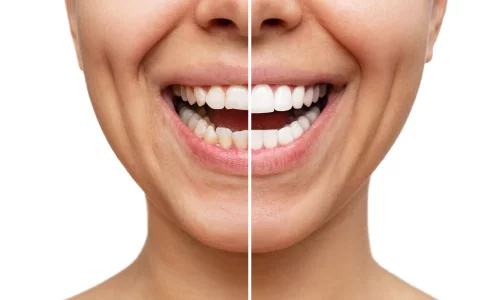
Dental veneers are custom-made shells that improve the appearance of chipped, cracked, discolored, or misaligned teeth. Made from porcelain or composite resin, veneers offer a natural, flawless smile with a simple, non-invasive procedure that boosts both aesthetics and confidence.
Which celebrities used Invisalign? Learn how you can achieve a "red carpet" smile discreetly with clear aligners (Invisalign) and Dr. Begum Ulaşan. Get details on the treatment process and stunning aesthetic results.
Milim Dental Hospital isn't just a clinic—it's where confident smiles begin. With a team of world-class specialists, advanced technology, and a patient-first approach, we turn dental care into a premium experience.
We prioritize hygiene, comfort, and tailor-made treatments designed just for you. Don’t just take our word for it—explore real stories from real patients.
Your perfect smile starts here. Join the Milim experience.

Milim Dental Hospital provides comprehensive dental services in a spacious 1,000 m² facility, supported by a wide team of dental professionals including specialists in Oral and Maxillofacial Surgery, Prosthodontics, Orthodontics, Pediatric Dentistry, and Periodontology.