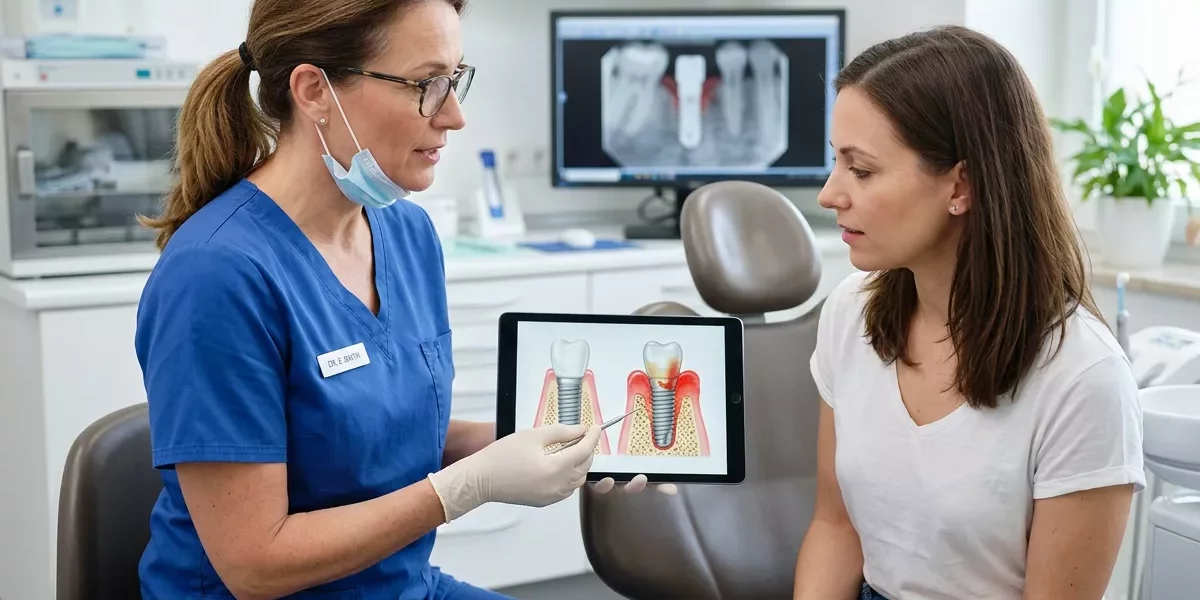
Infection around a dental implant is one of the most worrying things a patient can imagine. People usually choose implants because they want a stable, long-term solution, so when they notice swelling, bleeding, tenderness, or a bad taste around the implant, their first thought is often that something is seriously wrong. This anxiety is understandable, especially because many patients do not know what implant infection actually looks like in real life.
The truth is that not every sore implant is infected, and not every infection means the implant is immediately lost. But infection around an implant should always be taken seriously. The tissues around implants are extremely important, and once inflammation becomes more advanced, the surrounding support can be affected if the problem is ignored for too long.
This is why patients need a calm but clear explanation. The goal is not panic. The goal is to understand what signs matter, why they matter, and when professional evaluation becomes important. Early recognition is often much more helpful than waiting to see whether the problem disappears on its own.
At Milim Dental, infection concerns are discussed openly because patients do better when they know what to watch for and when to ask for help.
**What does infection around an implant mean?**
When patients hear the word “infection,” they often imagine something sudden and dramatic. In reality, infection around an implant can appear in different ways. In some cases, it begins with inflammation in the soft tissue around the implant. In other cases, the issue becomes more serious and begins to affect the supporting structures around it.
This distinction matters because the earlier stages may be easier to manage than more advanced ones. A patient may initially notice gum redness, bleeding, tenderness, or swelling. If those signs are ignored and the area continues to struggle, the deeper support around the implant may eventually be affected as well.
That is why infection should not be understood only as pus or severe pain. Sometimes the early signs are much quieter. Patients may simply feel that the area looks irritated, tastes unpleasant, or feels different when brushing. These changes deserve attention even if they seem small.
At Milim Dental, this kind of tissue change is never reduced to “just a little irritation” without proper evaluation. Healthy tissue around an implant is part of implant success.
**What symptoms should patients look for?**
Some of the most common warning signs include redness, swelling, bleeding during brushing, tenderness, unpleasant taste, bad odor, or discharge around the implant area. Patients may also notice that the gums look puffy or feel sore when they touch the site or chew on that side.
In some cases, the patient may not feel strong pain, especially in the early stages. That is one reason these problems can be missed. People often assume that if something is serious, it must hurt a lot. Around implants, that is not always how the body signals trouble. Mild but persistent symptoms may still matter.
Changes in comfort while chewing can also be important. A patient may feel pressure, sensitivity, or a subtle sense that something is not quite right. These clues are worth noticing, especially if the implant previously felt normal and stable.
At Milim Dental, patients are encouraged to pay attention to patterns. One unusual moment may not mean much, but ongoing tissue changes should never be ignored.
**Why can infection happen around an implant?**
There is rarely just one reason. Infection around an implant may be influenced by oral hygiene, tissue health, smoking, bite-related stress, difficulty cleaning around the restoration, or how the implant behaves within the surrounding tissues over time. Some patients assume infection only happens because “the implant was bad,” but the reality is usually more complex.
Cleaning is one of the most important factors. Patients sometimes believe implants do not need the same level of attention as natural teeth because they do not decay in the same way. That is a misunderstanding. Implants depend on healthy surrounding tissue, and poor hygiene can create conditions where inflammation becomes more likely.
Force can also play a role. If the implant or restoration is under too much bite stress, the tissues may become more vulnerable over time. The health of the gums and the accessibility of the area for daily cleaning both influence long-term stability.
At Milim Dental, the focus is not only on treating problems when they appear. It is also on helping patients understand why those problems can happen in the first place.
**Does infection always mean the implant will be lost?**
No, not always. This is one of the most important points for patients to hear. Infection around an implant is serious, but it does not automatically mean the implant is beyond help. The outcome depends on how advanced the problem is, what tissues are affected, and how quickly the area is assessed and managed.
If the issue is identified early, there may be more options to calm the tissues and protect the implant environment. If the problem has been present for longer and the surrounding support has changed significantly, the situation may be more complex. That is why time matters.
Patients sometimes delay because they are afraid of hearing bad news. Ironically, that delay can make the situation harder to manage. It is usually far better to ask early and be reassured than to wait until symptoms become more obvious and more advanced.
At Milim Dental, the message is simple: do not assume the worst, but do not ignore the signs. Early evaluation gives the best chance for a better outcome.
**What should patients do if they think the implant is infected?**
The most important step is to arrange a professional assessment. Patients should not try to diagnose the infection by searching pictures online or comparing themselves to someone else’s story. Implant tissue problems can look similar from the outside while meaning very different things clinically.
It is also wise not to keep irritating the area. Patients should not press on it constantly, keep testing it with the tongue, or avoid brushing completely out of fear. Gentle, appropriate hygiene should continue unless they have been specifically instructed otherwise after recent surgery. The goal is to avoid both neglect and overreaction.
The clinic may need to examine the tissues, check the restoration, review the bite, and use imaging if needed. This helps determine whether the issue is limited to the soft tissue or whether deeper support may also be involved.
At Milim Dental, the emphasis is always on assessing the real situation rather than guessing. The patient usually feels much more in control once the problem has been properly defined.
**How can patients reduce the risk of implant infection?**
Good oral hygiene is one of the biggest protective factors. Patients should know how to clean around the implant properly and consistently. If the restoration shape makes cleaning difficult, that is something worth discussing during follow-up, because hygiene access matters a lot over time.
Regular professional reviews are also important. Some early changes may be visible to the dentist before the patient feels major symptoms. That makes follow-up visits part of prevention rather than something patients do only when they are already worried.
Lifestyle factors matter too. Smoking can increase risk, and bite overload may contribute to long-term tissue problems. Patients who understand these risks and cooperate with follow-up usually give their implants a better chance of staying healthy.
At Milim Dental, prevention is discussed as part of implant treatment itself. A stable implant depends on healthy tissue, and healthy tissue depends on care.
**Frequently Asked Questions**
**How do I know if my implant is infected?**
Patients may notice redness, swelling, bleeding, tenderness, bad taste, bad odor, or discharge around the implant area. Some people also notice chewing discomfort or a feeling that the tissue looks different from before. These signs do not always mean severe implant failure, but they do deserve professional assessment. The best way to know what is happening is through clinical evaluation.
**Can an implant infection go away on its own?**
It should not be assumed that it will. Mild tissue irritation may fluctuate, but persistent inflammation around an implant needs attention. Waiting too long may allow the problem to become more advanced. It is better to check early than to hope the area settles without understanding the cause.
**Does pain always happen with implant infection?**
No. Some patients feel pain, but others notice only bleeding, swelling, or an unpleasant taste. Early implant tissue problems may not always be strongly painful. That is why visual and functional changes are just as important as pain.
**Can poor cleaning really affect an implant that much?**
Yes. Implants do not decay like natural teeth, but they still depend on healthy surrounding tissues. Poor oral hygiene can contribute to inflammation around the implant and may increase the risk of tissue problems over time. Good cleaning is one of the most important long-term protective habits.
**What should I do first if I think something is wrong?**
The best first step is to arrange a professional examination. Patients should avoid trying to diagnose the issue themselves and should continue gentle hygiene unless they were recently given different instructions after surgery. Early evaluation is the safest and most useful response.
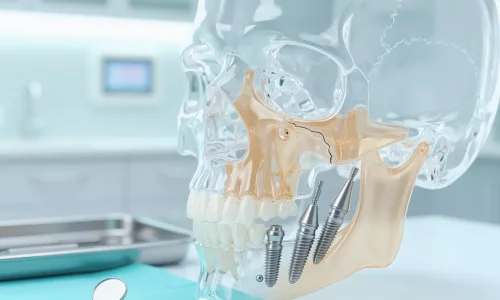
Discover what makes zygomatic implants unique compared to traditional dental implants.
Orthodontics is a branch of dentistry that focuses on diagnosing and treating structural disorders of the jaws, teeth, and facial region. Orthodontic treatment helps guide jaw and tooth development during childhood, ensuring teeth grow into the correct positions. In adults, it corrects existing structural issues such as bite problems, improper tooth contact, and dental crowding.
A guide to detecting and treating jaw narrowing in children to ensure proper bite and teeth alignment.
Milim Dental Hospital isn't just a clinic—it's where confident smiles begin. With a team of world-class specialists, advanced technology, and a patient-first approach, we turn dental care into a premium experience.
We prioritize hygiene, comfort, and tailor-made treatments designed just for you. Don’t just take our word for it—explore real stories from real patients.
Your perfect smile starts here. Join the Milim experience.

Milim Dental Hospital provides comprehensive dental services in a spacious 1,000 m² facility, supported by a wide team of dental professionals including specialists in Oral and Maxillofacial Surgery, Prosthodontics, Orthodontics, Pediatric Dentistry, and Periodontology.