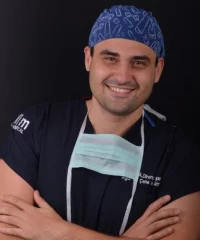
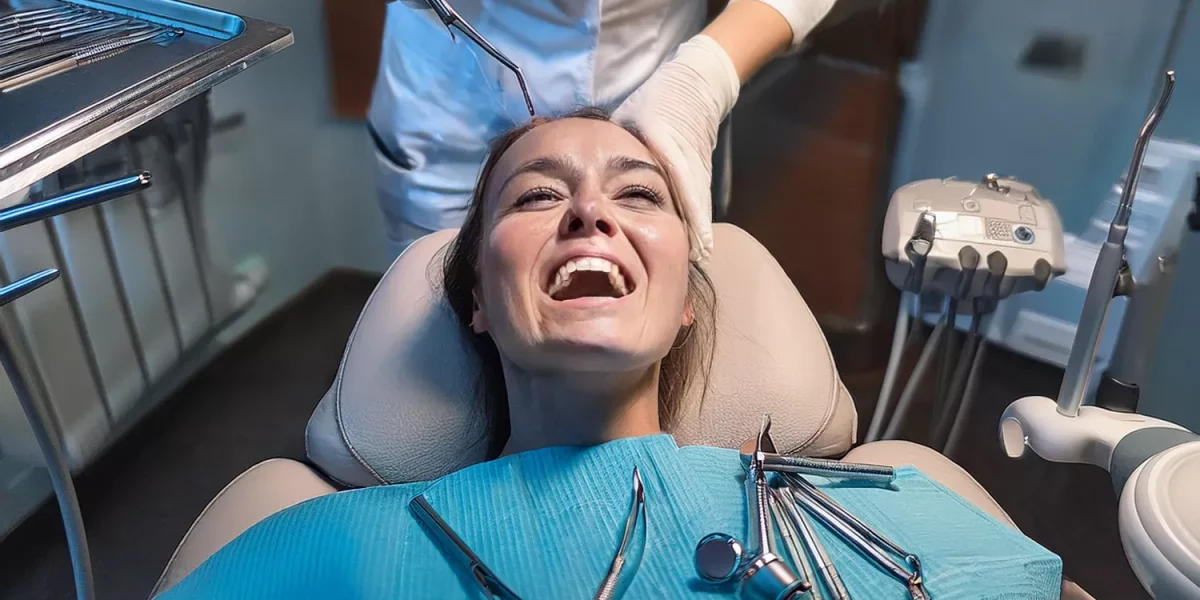
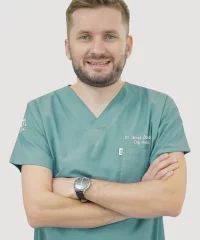
Insights from Oral & Maxillofacial Surgeon diş hekimi çene cerrahı Ali Direnç Ulaşan – Bursa
If your dentist tells you, “This tooth needs to come out,” and your first reaction is panic, you are definitely not alone. All over the world, people are terrified of tooth extraction. They picture intense pain, big needles, terrible cracking sounds, long healing, and complications like infection or tooth fracture.
In real modern dentistry, especially in the hands of an experienced oral & maxillofacial surgeon like diş hekimi çene cerrahı Ali Direnç Ulaşan in Bursa, a tooth extraction is usually quick, controlled, and far more comfortable than the horror stories you may have heard.
This article explores why tooth extraction feels so frightening, what actually happens during the procedure, and how today’s techniques make the experience safer, gentler, and easier to handle.
Tooth extraction is not only a physical event; it is an emotional one. The fear usually comes from three main places: old memories, scary stories, and the unknown.
Many adults still carry early dental memories:
A rushed dentist who did not explain anything
An old-fashioned clinic with minimal anesthesia
A procedure that really did cause pain years or decades ago
Your brain does not forget these experiences easily. Even if dentistry has changed, your emotional memory still says, “Tooth extraction = danger.” That old signal can be very strong, even when you are now sitting in a modern clinic in Bursa with advanced technology and a specialist surgeon.
The second source of fear is other people’s stories:
“I felt everything.”
“The tooth cracked in my mouth.”
“My face swelled like a balloon.”
Online searches can also make things worse. Many patients type words like “ağrı”, “iltihap”, “diş kırılma”, “çekim”, “iğne” into search engines and then read the worst possible cases. Extreme complications and dramatic photos are much more likely to be shared than normal, uneventful extractions. This creates a distorted picture of reality.
When you don’t know exactly what is going to happen, your imagination often fills in the blanks with the worst-case scenario:
“Will I feel the tooth breaking?”
“Will I hear the bone cracking?”
“Will the needle hurt more than the procedure?”
“What if the anesthesia doesn’t work?”
The less information you have, the more frightening the procedure feels. Clear explanations from your surgeon are one of the most powerful tools against fear.
If you ask patients to be specific about their fear, you usually hear the same themes.
Pain is the number one concern. People are afraid that:
The anesthetic will not be strong enough
They will feel sharp pain as the tooth is removed
They will have severe pain for days afterward
In reality, modern local anesthesia is very effective when used correctly. In a specialist clinic in Bursa, the aim is simple: you should not feel sharp pain at any point during the extraction. You might feel pressure, movement, vibration, but not cutting or tearing.
After the extraction, most patients experience mild to moderate discomfort for a few days, usually well-controlled with the pain medication prescribed.
Some people are more afraid of the needle than of the tooth extraction itself. They worry about:
The first sting of the injection
The feeling of liquid going into the tissue
The numbness in the lip, tongue or cheek
A gentle technique makes a huge difference. Numbing gel, very thin needles, and slow injections reduce discomfort dramatically. Many patients are surprised and say, “I was more afraid of the idea of the needle than of the reality.”
Another common fear is that the tooth will fracture during extraction, or that the jaw could be damaged. Patients imagine uncontrolled cracking and pieces of tooth flying in every direction.
In fact, controlled sectioning of a tooth is often a planned part of a surgical technique. For example, if a molar has multiple roots, the surgeon may intentionally divide it into smaller parts. This reduces the force needed and protects surrounding bone. The key word is controlled, not accidental.
People also worry about infection after extraction:
“What if I get a serious infection?”
“What if the swelling never goes down?”
“What if the wound doesn’t heal?”
An experienced oral surgeon like diş hekimi çene cerrahı Ali Direnç Ulaşan evaluates all risk factors and existing iltihap around the tooth before deciding on extraction. Proper cleaning of the socket, sterile technique, and clear aftercare instructions dramatically reduce the chance of complications.
Understanding the step-by-step process helps to turn a scary mystery into something logical and manageable.
Before any extraction, your surgeon will:
Examine the tooth and surrounding gums
Check how the tooth fits into your bite
Take an X-ray or 3D scan
This reveals:
Root length and shape
Bone height and thickness
Any hidden infection around the root
The position of important anatomical structures
In Bursa, digital imaging is a standard part of safe planning. Good planning means fewer surprises during the procedure.
Next comes local anesthesia. In a modern approach, this usually includes:
Applying numbing gel on the gum
Using a very fine needle
Injecting the anesthetic slowly and steadily
The goal is to make the area fully numb. Before the extraction starts, your surgeon will test the area to ensure you feel no sharp pain. If you do, more anesthetic is added. You are not expected to be brave or silent; you are expected to speak up if you feel anything.
Once everything is numb, the extraction begins. Contrary to the “yanking” image many people have, the process is controlled and gradual:
The gum is gently separated from the tooth
Special instruments are used to stretch the ligament that holds the tooth in its socket
As the ligament fibres release, the tooth becomes mobile
You feel pressure and movement, but you should not feel pain. This careful, stepwise approach is called atraumatic extraction. It protects the bone and surrounding tissues, which is especially important if you are planning a future dental implant.
Some teeth are straightforward; others are more complex. Teeth with curved roots, old root canal treatments, or large fillings may be more fragile.
If a tooth fractures during the procedure, the surgeon may:
Gently remove the broken part
Section the remaining root into smaller pieces
Create a small controlled opening in the bone to access deeper fragments
All of this happens under full visualization and with careful technique. To you, it feels like pressure and vibration; to the surgeon, it is fine, precise work.
After the tooth is removed, the socket is cleaned carefully:
All inflamed or infected tissue is removed
The area is irrigated
Sometimes bone graft material is placed to preserve volume for a future implant
The gum may be sutured to protect the site. You will be asked to bite on gauze for a short period to help a stable blood clot form. This blood clot is the foundation of healing.
The tooth extraction experience today is very different from what it was 20 or 30 years ago.
Modern local anesthetics are designed to:
Work quickly
Last long enough for complex procedures
Provide excellent, deep numbness
When combined with gentle injection technique, this greatly limits pain sensations during the extraction.
Digital X-rays and 3D CBCT scans allow the surgeon to see details that were invisible in the past:
Fine root anatomy
Hidden infection
Relationship to nerves and sinuses
This makes it possible to plan the least traumatic path for the extraction, reduce bone removal, and protect important structures.
The philosophy of atraumatic extraction is simple:
Remove the tooth, preserve everything else.
By using controlled movements, minimal force, and sometimes sectioning the tooth into smaller parts, the surgeon can:
Reduce postoperative pain
Decrease swelling
Lower the risk of complications
Preserve bone for future implants or bridges
For extremely anxious patients, or for multiple extractions in one session, sedation may be an option. This can range from mild sedative medication to deeper forms of conscious sedation, always under professional monitoring. The goal is to keep you relaxed and safe while your surgeon works efficiently.
You can do several things to make your own experience smoother and calmer.
Do not hold back. Before the procedure, ask your surgeon:
Why does this tooth need to be removed?
Is there any alternative to extraction?
How long will the procedure take?
What will I feel and what should I not feel?
What is the plan after extraction (temporary solutions, implant, bridge, etc.)?
A specialist like diş hekimi çene cerrahı Ali Direnç Ulaşan is used to these questions and will be happy to answer them. Good communication is a sign of a good clinic, not an inconvenience.
Tell your surgeon if you:
Are terrified of the needle
Have had a bad experience before
Tend to faint or have panic attacks
This information allows the team to:
Plan more time for you
Use extra numbing measures
Offer sedation if appropriate
Support you step by step instead of rushing
You may be given instructions such as:
Eating a light meal before the appointment (unless sedation is planned)
Avoiding alcohol before and after the procedure
Taking prescribed medication as directed
After the procedure, you will have rules about:
What to eat
How to clean the area
When to start rinsing
What activities to avoid for a few days
Following these instructions is one of the best ways to reduce pain, avoid infection, and speed up healing.
Tooth extraction may sound simple, but it is still a surgical procedure. The experience and training of the person performing it make a big difference.
Choosing an oral & maxillofacial surgeon like diş hekimi çene cerrahı Ali Direnç Ulaşan in Bursa offers several advantages:
Advanced training in managing complex teeth and roots
Experience dealing with infections, fractures, and anatomical variations
Familiarity with digital planning and atraumatic techniques
The ability to handle complications safely if they arise
When you know that your surgeon handles extractions and related procedures every single day, it becomes much easier to trust the process.
Fear of tooth extraction is completely normal. It is built from past experiences, frightening stories and a natural fear of pain, needles, infection and tooth fracture. But fear does not have to control your health decisions.
Modern dentistry, especially in specialist centers in Bursa, provides:
Effective pain control
Precise, atraumatic surgical techniques
Careful planning with digital imaging
Clear communication and aftercare
The hardest step is often not the extraction itself. It is making the decision to stop avoiding the problem and to sit down with a professional you trust.
When you do that, tooth extraction stops being a nightmare in your imagination and becomes what it actually is: a carefully planned medical procedure designed to remove pain, eliminate infection, and protect your long-term oral health.
Discover how Digital Smile Design helps USA patients achieve a perfect, customized Hollywood Smile.
A guide explaining the usual number and frequency of check-ups for aligners or braces.

A clear guide for Dutch patients explaining how a smile makeover in Turkey works, step by step.
Milim Dental Hospital isn't just a clinic—it's where confident smiles begin. With a team of world-class specialists, advanced technology, and a patient-first approach, we turn dental care into a premium experience.
We prioritize hygiene, comfort, and tailor-made treatments designed just for you. Don’t just take our word for it—explore real stories from real patients.
Your perfect smile starts here. Join the Milim experience.

Milim Dental Hospital provides comprehensive dental services in a spacious 1,000 m² facility, supported by a wide team of dental professionals including specialists in Oral and Maxillofacial Surgery, Prosthodontics, Orthodontics, Pediatric Dentistry, and Periodontology.