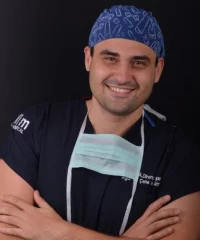
Gentle, Modern Care with Oral and Maxillofacial Surgeon Ali Direnç Ulaşan at MilimDental, Bursa
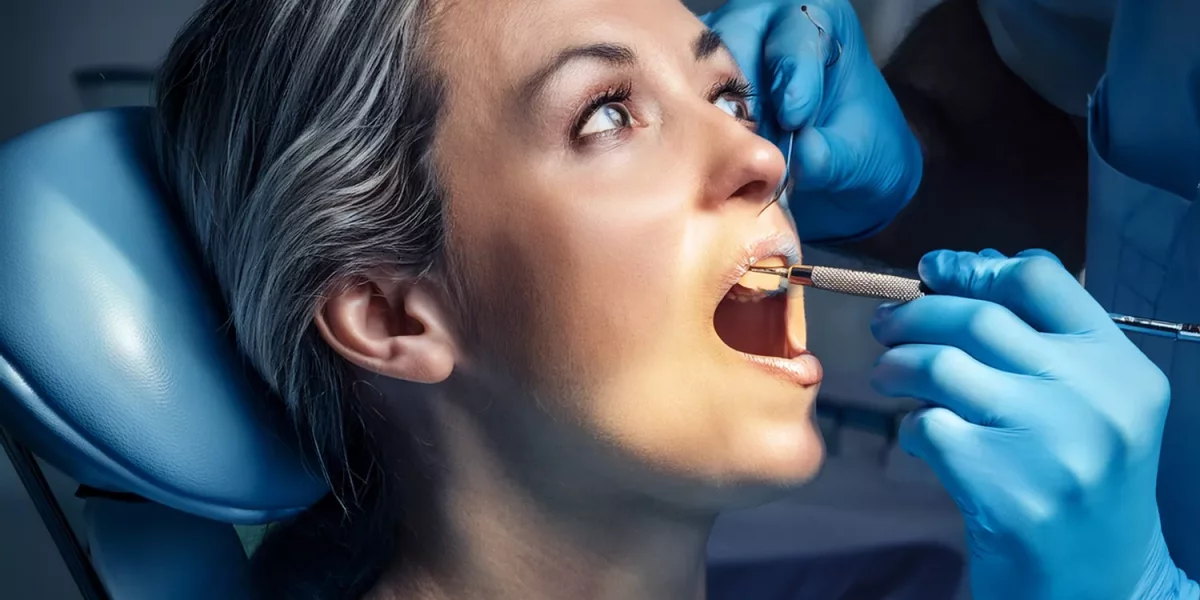
For many people, the thought of walking into a dental clinic is enough to trigger a racing heart, sweaty hands, or even a full-blown panic attack. Add words like tooth extraction, needle, pain, infection, or tooth fracture, and the anxiety can become overwhelming.
If this sounds like you, you are not alone—and you are not “weak” or “difficult”. Dental fear is one of the most common reasons people avoid treatment, even when they are in constant pain or have obvious signs of infection. The result is often a cycle of worsening problems that could have been prevented with gentle, timely care.
At MilimDental in Bursa, Turkey, oral and maxillofacial surgeon Ali Direnç Ulaşan and his team specialise in breaking this cycle. With modern techniques, advanced imaging, and a calm, patient-focused approach, even highly anxious patients can safely and comfortably receive treatments, including tooth extraction, without trauma.
This article is a comprehensive guide for anyone who is afraid of the dentist, the needle, pain, tooth fracture, or infection during tooth extraction—and who is finally ready to look for a safer, kinder solution.
Almost everyone feels at least a little nervous before a dental visit. That is normal. However, dental fear and dental phobia go much deeper:
You avoid booking appointments until the pain becomes unbearable.
You cancel or reschedule at the last minute because anxiety takes over.
You feel your heart pounding, your stomach turning, or your hands shaking just from thinking about a tooth extraction or a needle.
You might have had panic attacks in the waiting room or in the dental chair.
Dental phobia is not just “being a bit scared.” It is a powerful emotional and physical reaction that can keep you away from necessary care for years.
When fear keeps you away from the dentist, small problems rarely stay small:
A minor cavity can turn into intense tooth pain.
A cracked tooth can progress to a complex tooth fracture that requires extraction.
Untreated gum disease and dental infection can affect your overall health, including your heart, blood sugar control, and immune system.
Avoiding tooth extraction when it is genuinely needed can allow infection to spread, leading to swelling, bone loss, and sometimes emergency hospital visits.
In other words, dental fear has real physical consequences. Facing it with the right support is not just good for your teeth; it is important for your whole body.
Many patients who visit MilimDental in Bursa share similar stories:
A painful dental visit in childhood where the anesthesia did not work properly
A rushed dentist who did not wait for the numbness to take effect before starting treatment
A traumatic tooth extraction years ago, with intense pain or uncontrolled tooth fracture
These experiences leave deep emotional scars. Your logical mind might know that dentistry has changed, but your body still remembers the fear.
Fear of pain is the most common reason people avoid the dentist. You might ask:
“Will I feel everything during the tooth extraction?”
“What if the pain is worse than what I am living with now?”
“What if the anesthetic wears off halfway through?”
This is completely understandable. The good news is that, in a modern clinic like MilimDental, effective pain control is a central priority. With high-quality local anesthetics and gentle injection techniques, most procedures can be performed with little or no pain. If anything hurts, the treatment stops and more anesthesia is given.
For many people, the word “needle” is enough to trigger stress. You may have:
A strong needle phobia from childhood vaccinations or blood tests
A fear of the injection itself being painful
A fear of the numb, heavy feeling after anesthesia
At MilimDental, Ali Direnç Ulaşan and his team use:
Topical numbing gel before the needle
Very fine needles designed to minimise discomfort
Slow, controlled injection techniques
Most patients are surprised to discover that the injection is much less painful than they imagined.
Tooth extraction often comes with dramatic stories—especially online. People talk about:
Teeth “snapping” during the procedure
Loud cracking noises
A tooth fracture that “went wrong”
The reality is different. In many cases, dividing a tooth into smaller pieces is actually a planned, controlled surgical technique. It helps reduce the amount of force needed and protects surrounding bone and soft tissues. Under the care of an experienced oral and maxillofacial surgeon like Ali Direnç Ulaşan, controlled tooth fracture during extraction is a safety tool, not a sign that something has gone wrong.
Another common fear concerns healing after tooth extraction:
“What if I get a serious infection?”
“What if my face swells and I can’t work?”
“What if something goes wrong at home?”
Careful planning, sterile technique, and clear aftercare instructions dramatically reduce the risk of infection. When an experienced surgeon cleans the socket, removes infected tissue, and gives guided instructions on medication and hygiene, healing is usually smooth and predictable.
An oral and maxillofacial surgeon is a specialist who focuses on surgical treatments of the mouth, jaws, and face, including:
Complex tooth extraction
Wisdom tooth surgery
Management of tooth fracture and jaw fractures
Treatment of severe infection and cysts
Dental implant placement
As an oral and maxillofacial surgeon and founder of MilimDental in Bursa, Ali Direnç Ulaşan offers several advantages to anxious patients:
Extensive experience in managing difficult extractions and complications
Advanced training in pain control and surgical planning
Access to digital imaging (such as 3D scans) to assess risk before starting
The ability to provide treatment under local anesthesia, sedation, or general anesthesia when needed
This level of expertise is especially important for patients who are afraid of pain, the needle, infection, tooth fracture, and tooth extraction.
At MilimDental in Bursa, the approach to dental fear is structured and compassionate:
Listening first
Your first appointment is often focused on conversation and understanding your story, not immediate treatment.
You are encouraged to share previous experiences and specific fears—whether about the needle, pain, tooth extraction, infection, or loss of control.
Explaining clearly
Using X-rays and, when needed, 3D imaging, Ali Direnç Ulaşan explains what is happening with your teeth and gums.
Every step of a planned tooth extraction or other procedure is described in simple, clear language.
Planning together
Treatment is broken down into manageable stages.
You agree on priorities: stopping pain, removing sources of infection, stabilising broken or fractured teeth, and planning long-term solutions.
Giving you control
A “stop signal” is agreed in advance (for example, raising your hand).
If at any point you feel overwhelmed, treatment pauses and your comfort is checked.
Considering sedation when appropriate
For severe dental phobia, sedation or hospital-based general anesthesia may be offered.
This is especially useful for complex surgical procedures or for patients who simply cannot tolerate the idea of a needle or tooth extraction while fully awake.
Before a tooth extraction, Ali Direnç Ulaşan performs a careful examination:
Visual inspection of the tooth and surrounding tissues
X-ray, and when needed, 3D CBCT imaging
This reveals important information:
Root shape and length
The presence and extent of any infection
Proximity to nerves and other vital structures
The risk of tooth fracture during extraction
With this knowledge, the surgeon can plan the safest and least traumatic way to remove the tooth.
Next comes local anesthesia, designed to prevent pain during the tooth extraction:
A numbing gel is applied to the injection site.
A fine needle is used to deliver the anesthetic slowly and gently.
The area is tested before starting to ensure it is completely numb.
If you still feel any pain, more anesthetic can be added. The goal is clear: you should not feel sharp pain during the procedure.
Tooth extraction is not about violently pulling a tooth. It is a controlled process:
The gum is gently separated around the tooth.
Special instruments are used to widen the socket and loosen the tooth.
In more complex cases, the tooth may be sectioned into smaller pieces to prevent uncontrolled tooth fracture.
You may feel pressure and movement, and you may hear some sounds, but you should not feel pain.
After the tooth is removed:
The socket is carefully cleaned.
Any infected or inflamed tissue is removed.
Sometimes, bone graft material is added to preserve bone for future implants.
The area may be sutured to protect the site and support healing.
This meticulous approach significantly reduces the risk of infection and helps you heal faster and more comfortably.
Before you leave MilimDental, you receive clear written and verbal instructions:
How and when to take pain medication
How to handle swelling with cold packs
What to eat and what to avoid in the first days
How to keep the area clean without disturbing the healing socket
Which warning signs (such as unusual pain, swelling, or signs of infection) should prompt you to call the clinic
Most patients find that post-operative pain is manageable and temporary, especially when they follow these guidelines carefully.
Tell the team at MilimDental that you want your first visit to be consultation only. This means:
No injections
No drilling
No tooth extraction
Just conversation, examination, and imaging. Taking this first step often reduces fear dramatically because you see the environment, meet the team, and realise you are in control.
Do not try to “be brave” by hiding your fear. Tell Ali Direnç Ulaşan and his team exactly what you are afraid of:
The needle
Pain
Infection
Tooth fracture
The sound or feeling of tooth extraction
The more they know, the better they can help.
Simple strategies can make a big difference:
Practice slow, deep breathing before and during your appointment.
Use headphones with calming music or a podcast if the clinic allows.
Focus your eyes on a fixed point or on your breathing rather than the instruments.
Your goal does not have to be “I will stop being afraid forever.” Instead, focus on:
Booking the consultation
Arriving at the clinic
Completing the examination
Planning the tooth extraction with clear information
Each small success makes the next step easier.
Dental fear and fear of tooth extraction can feel overwhelming, but they are not permanent. With the right support, information, and specialist care, you can move from avoidance and constant pain to relief and long-term health.
As an oral and maxillofacial surgeon and founder of MilimDental in Bursa, Turkey, Ali Direnç Ulaşan has devoted his practice to helping patients—local and international—who are afraid of the dentist, the needle, pain, tooth fracture, and infection. Using modern techniques, advanced imaging, personalised planning, and a calm, respectful approach, the team at MilimDental turns frightening procedures into controlled, safe experiences.
If you have been living with dental pain, broken teeth, or ongoing infection because you are too afraid to book a visit, this is your invitation to change that story.
You do not have to schedule a tooth extraction on day one.
You only have to take one small, powerful step:
Contact MilimDental in Bursa and book a gentle, no-pressure consultation with oral and maxillofacial surgeon Ali Direnç Ulaşan.
Together, you can create a plan that respects your fears, protects your health, and guides you toward a future where the dentist’s chair is no longer a source of panic—but a place of healing, relief, and confidence.
How to choose a safe and reliable dental clinic in Turkey? Learn critical factors for international patients, including checking surgeon expertise, sterilization standards, official certifications, and seeking genuine patient testimonials before starting your treatment.

How are sterilization and digital technology maintained in our clinic? Explore how advanced tools like CBCT (3D Tomography), Guided Surgery, and a Digital Workflow maximize safety, precision, and successful outcomes for dental treatments in Turkey.

If I get implants, will my teeth be fixed (non-removable)? Compare fixed solutions (crowns, bridges) against removable implant-supported dentures and discover which permanent, functional dental implant restoration is best suited for your needs.
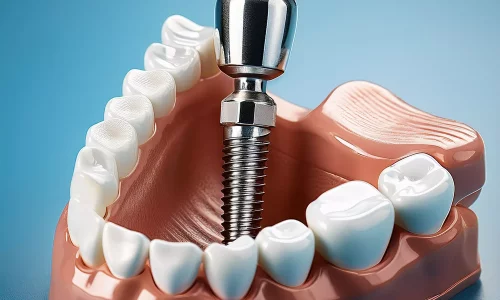
Milim Dental Hospital isn't just a clinic—it's where confident smiles begin. With a team of world-class specialists, advanced technology, and a patient-first approach, we turn dental care into a premium experience.
We prioritize hygiene, comfort, and tailor-made treatments designed just for you. Don’t just take our word for it—explore real stories from real patients.
Your perfect smile starts here. Join the Milim experience.

Milim Dental Hospital provides comprehensive dental services in a spacious 1,000 m² facility, supported by a wide team of dental professionals including specialists in Oral and Maxillofacial Surgery, Prosthodontics, Orthodontics, Pediatric Dentistry, and Periodontology.