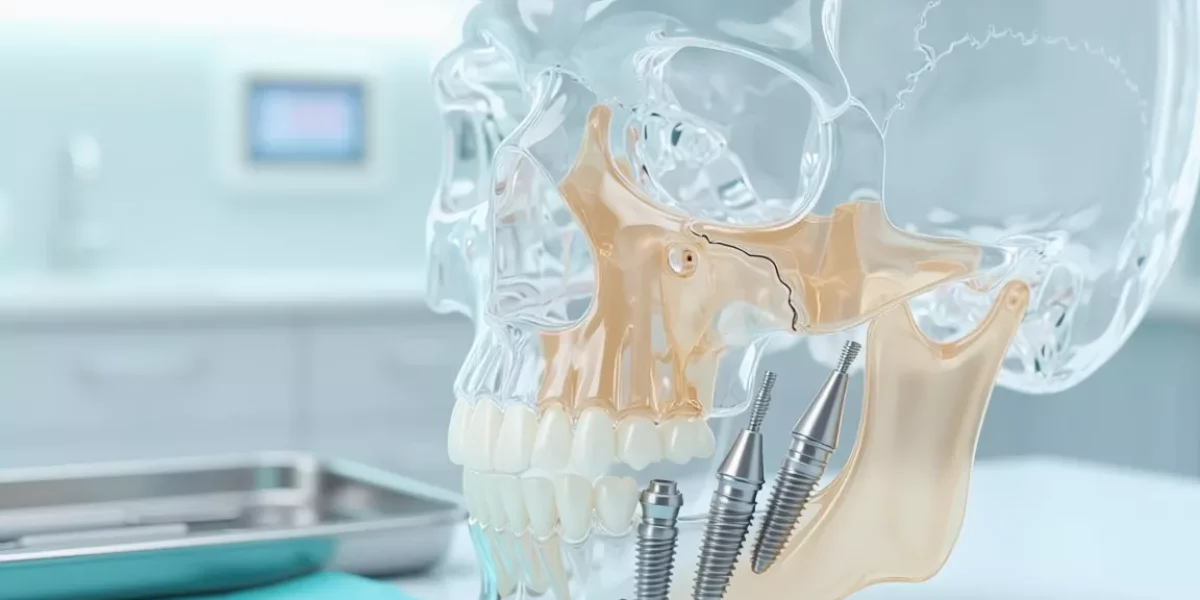
Many patients search for zygomatic implants after learning that conventional implants may not be possible due to severe bone loss. The key difference is anatomical support. Traditional implants rely on the available alveolar bone in the upper jaw, while zygomatic implants are anchored in the cheekbone, which is often denser and more stable in patients with advanced maxillary resorption.
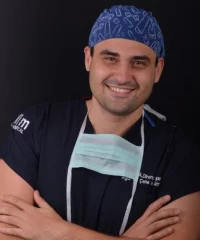
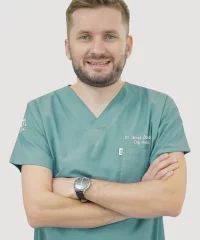
This difference is not only technical—it changes the entire planning process. At MilimInternational, Dr. Ali Direnç Ulaşan, an experienced oral surgeon, evaluates whether the patient’s anatomy makes zygomatic implants more predictable than bone grafting or alternative implant strategies. Factors such as sinus anatomy, prosthetic space, oral hygiene access, and bite load must all be considered before surgery.
Regular implants are appropriate for many patients, but severe upper jaw bone loss can make them less reliable without additional grafting. Zygomatic implants may help avoid long graft healing periods and create a more direct path toward fixed teeth. However, they are more complex and should be performed only by clinicians with advanced surgical planning experience.
At MilimInternational, the treatment philosophy is based on safety, predictability, and long-term maintenance. Dr. Ali Direnç Ulaşan plans zygomatic implant cases with a prosthetic-driven approach, meaning the final teeth and their function guide the surgical decision. This is why zygomatic implants should never be treated like ordinary implants—they are a specialized rehabilitation method for advanced cases.
Sensitive teeth and enamel erosion: How to protect your tooth structure every day. Discover the causes of tooth sensitivity, ways to prevent enamel erosion, and the effectiveness of desensitizing toothpaste and protective dental treatments.
Discover how safe subperiosteal implants are and when they are recommended.
A guide explaining how attachments help aligners work effectively for complex tooth movements.

Milim Dental Hospital isn't just a clinic—it's where confident smiles begin. With a team of world-class specialists, advanced technology, and a patient-first approach, we turn dental care into a premium experience.
We prioritize hygiene, comfort, and tailor-made treatments designed just for you. Don’t just take our word for it—explore real stories from real patients.
Your perfect smile starts here. Join the Milim experience.

Milim Dental Hospital provides comprehensive dental services in a spacious 1,000 m² facility, supported by a wide team of dental professionals including specialists in Oral and Maxillofacial Surgery, Prosthodontics, Orthodontics, Pediatric Dentistry, and Periodontology.