English
Big Sale – Last Days for 20% Off!
676HOUR 53MINUTE 45SECOND
Diastema (Gapped Teeth): Is Laminate Veneer or Orthodontics the Right Choice?

Diastema (Gapped Teeth): Is Laminate Veneer or Orthodontics the Right Choice?

8 December Mon, 2025

A Comprehensive Guide from Orthodontic Specialist Dr. Begüm Ulaşan and Milim Dental Bursa

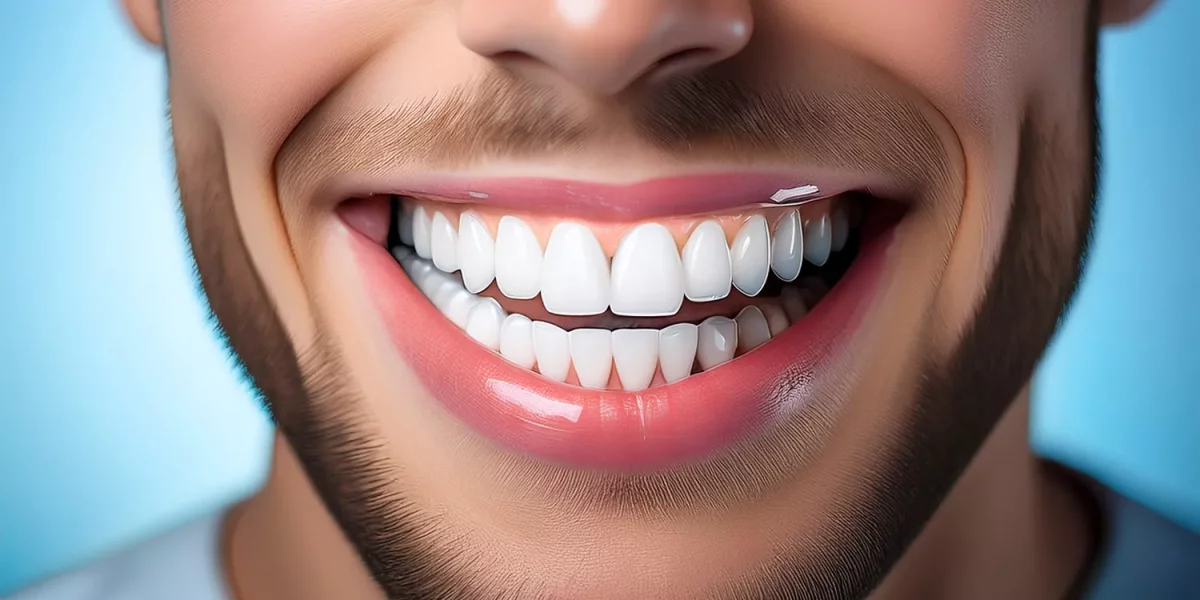
Is there a gap between your two front teeth?

Do you see a noticeable space when you smile?

Request a Free Treatment Plan from Our Expert Doctors

Perhaps you have long heard people say, "Just get a veneer/laminate, and it will close right away."

But should the solution for every gap be a laminate veneer, or is orthodontics (braces/clear aligners) a much better option in some cases?

In this article, from the perspective of Dr. Begüm Ulaşan, an orthodontic specialist at Milim Dental in Bursa, we will provide detailed answers to the following questions:

  1. What is diastema (tooth gap), and why does it occur?
  2. Which gaps are purely aesthetic, and which indicate another underlying problem?
  3. What are the pros and cons of closing gaps with laminate veneers?
  4. What are the advantages of orthodontic treatment?
  5. What approach does Dr. Begüm Ulaşan follow for these patients in Bursa?

1. What is Diastema?

Diastema is the presence of an excessively large space between teeth. It is most commonly seen:

  1. Between the upper central incisors (the two front teeth).
  2. Commonly described as "my two front teeth are separated."

However, diastema is not exclusive to the two front teeth; large gaps can occur in various areas along the dental arch. While some individuals embrace it as a unique aesthetic feature, for others, it can become a serious self-confidence issue.

2. What Are the Causes of Diastema (Tooth Gaps)?

The cause of every gap is not the same. This is crucial from an orthodontic perspective.

2.1. Tooth size–Jaw size Incompatibility

The teeth may be smaller than normal, while the jaw is normal or large. In this situation, the teeth "fit loosely" in the jaw, leading to gaps.

2.2. Upper Lip Frenulum Problem

The connective tissue (frenulum) extending from the inside of the upper lip to the palate can sometimes attach too low, right between the two front teeth. This can prevent the space in that area from closing.

2.3. Missing Teeth

  1. Congenitally missing teeth.
  2. Extracted teeth.
  3. can cause other teeth to shift, leading to the formation of gaps.

2.4. Oral Habits and Tongue Thrust

  1. The tongue pushing between the teeth during swallowing or speaking.
  2. Certain bad habits (pencil biting, continued finger sucking, etc.).
  3. can contribute to the widening of tooth gaps.

For this reason, Dr. Begüm Ulaşan at Milim Dental Bursa, when treating a patient complaining of tooth gaps, does not simply say, "There's just a gap, let's cover it right away." She first examines the cause, the jaw-to-tooth ratio, missing teeth, the frenulum, and the tongue position.

3. Is Diastema Only an Aesthetic Problem?

The gap between the two front teeth is most often a predominantly aesthetic issue. However:

  1. If the gap is very wide,
  2. If there are also gaps in the side teeth,
  3. If the jaw-to-tooth incompatibility is pronounced,
  4. If tongue thrust and swallowing dysfunction accompany it,

diastema must also be evaluated in terms of occlusion, chewing, and function.

In some patients:

  1. "Only closing the gap with a laminate veneer" might be like painting the picture without solving the underlying cause.

Therefore, the answer to the question, "Laminate or orthodontics?" should always be provided by an orthodontic specialist in Bursa (such as Dr. Begüm Ulaşan).

4. Closing Tooth Gaps with Laminate Veneers: Advantages and Disadvantages

Laminate (porcelain veneer / leaf veneer) is:

  1. A type of very thin, aesthetic porcelain covering.
  2. Applied only to the front surface of the tooth.

4.1. Advantages

  1. Results are achieved quickly (usually in a few appointments).
  2. Color, form, and smile line can be designed simultaneously.
  3. Small form irregularities and gaps in the front teeth are aesthetically camouflaged.

4.2. Disadvantages

  1. Micro-abrasion of the tooth surface may be necessary (minimal in some cases, more in others).
  2. If the problem is tooth size-jaw size incompatibility and multiple gaps, the number of veneers increases, raising the cost.
  3. If tongue thrust or oral habits continue, load may accumulate on the edges of the veneers.
  4. In cases where tooth pressures and bite are poor, the risk of veneer fracture and long-term problems increases.

In summary: A laminate veneer may be sensible for a small, isolated, and purely aesthetic front tooth gap; however, for large, multiple gaps and bite problems, solving the issue solely with veneers is not correct in the long term.

5. Closing Diastema with Orthodontic Treatment (Braces / Clear Aligners)

Orthodontics is a long-term and healthy option for closing tooth gaps because it:

  1. Moves the natural teeth within their own bone structure.
  2. Offers a solution without abrading the tooth surface.
  3. Can correct bite balance.

5.1. Advantages

  1. No invasive intervention on the tooth structure; the tooth remains in its natural form.
  2. Jaw-to-tooth harmony is corrected; not just the front tooth gap but the entire alignment achieves balance.
  3. If necessary, minor composite/aesthetic touches at the end of the treatment can achieve a perfect smile.
  4. Clear aligner therapy can offer invisible solutions for adults with aesthetic concerns.

5.2. Disadvantages

  1. The duration is longer compared to the veneer procedure (months).
  2. Patient compliance is required (wearing time for aligners, meticulous care for braces, etc.).
  3. If care is not taken during the retention period, teeth may show a tendency to separate again.

Dr. Begüm Ulaşan and Milim Dental Bursa often recommend the following for adult and young patients with tooth gaps:

  1. First, move the teeth into the correct position with orthodontics.
  2. Complete the smile with very small aesthetic touches (bonding or minimal veneers) only at the very end, if necessary.

This approach aims to protect the tooth structure to the maximum extent, striving for a "natural but aesthetic" result.

6. When to Choose Laminate, When to Choose Orthodontics?

We can think of this as a summary table:

ScenarioRecommended Approach
Only 1–2 small gaps, normal tooth size, good bite→ Consider only Laminate or Composite Bonding.
Multiple gaps, poor jaw-to-tooth harmony, crowding also presentOrthodontics (braces/aligners) first, then minimal aesthetic touches if needed, is healthier.
Lip support, smile line, tooth lengths are all unharmoniousMultidisciplinary approach required: Orthodontics + Laminate/Crown combination, potentially implant/prosthesis planning.

For all these decisions, the most accurate approach is a joint evaluation by teams in Bursa specializing in both orthodontics and aesthetic dentistry.

At Milim Dental Bursa, such cases are discussed collaboratively with:

  1. Orthodontic specialist Dr. Begüm Ulaşan,
  2. Dentists involved in smile design, and
  3. The team planning implants/prosthetics, if required, to offer the patient a holistic plan.

7. Conclusion: What Should Be the First Step for Your Tooth Gap Problem?

If:

  1. You have a gap in your front teeth,
  2. The sight of the gap bothers you when you smile,
  3. But you also say, "I don't want to cut my teeth,"

The safest path is to first get an orthodontic examination in Bursa.

Dr. Begüm Ulaşan and the Milim Dental team, for patients presenting with diastema complaints:

  1. Determine the cause (frenulum, tooth-to-jaw harmony, missing teeth, tongue thrust, etc.).
  2. Draw up a treatment roadmap that focuses on function and long-term health, not just aesthetics.
  3. Plan the combination of orthodontics + aesthetics together.

Remember: Laminate veneer is not your only option for closing your tooth gap. A properly planned orthodontic treatment can provide a much more permanent and healthier smile by protecting your teeth and balancing your jaw.

3. Orthodontics During Pregnancy: Is It Safe to Use Braces or Clear Aligners While Pregnant?

Answered by Orthodontic Specialist Dr. Begüm Ulaşan and Milim Dental Bursa

You are pregnant, and at the same time, you have the dream of getting orthodontic treatment (braces/clear aligners) that you have been putting off for years...

Perhaps you started treatment before becoming pregnant, and now you are preoccupied with questions like:

  1. "Will it harm the baby?"
  2. "Is it risky to have X-rays taken?"
  3. "I can't take painkillers; how will I manage the pain?"

In this article, based on the clinical experience of Dr. Begüm Ulaşan, an orthodontic specialist at Milim Dental in Bursa, we will address the following questions in a simple and understandable language:

  1. Is orthodontic treatment safe during pregnancy?
  2. How should ongoing treatment be continued?
  3. Can new orthodontic treatment be started during pregnancy?
  4. Which is more comfortable: braces or clear aligners?
  5. What approach does Dr. Begüm Ulaşan follow for pregnant patients in Bursa?


Category: Orthodontics

A Milim
Makes a Big Difference

Milim Dental Hospital is the first dental centre to receive the "Health Tourism Authorisation Certificate" issued by the Ministry of Health of the Republic of Turkey.
All Articles
Common Myths and Misconceptions About Toothache
east

Toothache is a common oral health issue that can occur at any age. There are many causes behind tooth pain, and accordingly, multiple treatment approaches may be required. To quickly relieve tooth pain and restore oral health, it is essential to be examined by a qualified dentist.

What to Do When Your Tooth Hurts
east

Toothache usually occurs as a result of certain dental problems. It is a highly uncomfortable pain felt in the tooth, jaw, and sometimes specific areas of the face. It directly affects and lowers quality of life. In most cases, it is a severe type of pain. Toothache may arise from many causes, such as gum irritation or tooth decay. Minor gum irritation may cause temporary toothache that resolves on its own, but some dental issues can lead to more serious problems.

The Advantages of All-on-X for Patients with Bone Loss
east

All-on-X is a transformative solution for patients with bone loss, offering a secure, graft-free alternative to traditional implants. With strategically placed implants, it provides stability, reduces pressure on the jaw, and helps preserve remaining bone—without complex surgeries.

Why Patients
Choose Milim?

Milim Dental Hospital isn't just a clinic—it's where confident smiles begin. With a team of world-class specialists, advanced technology, and a patient-first approach, we turn dental care into a premium experience.
We prioritize hygiene, comfort, and tailor-made treatments designed just for you. Don’t just take our word for it—explore real stories from real patients.
Your perfect smile starts here. Join the Milim experience.
View All Experiences
play_arrow
Dt. İsmail Özkısaoğlu Dentist
Get a Free Consultation
play_arrow
Dr. Dt. Ali Direnç Ulaşan Oral, Dental, Maxillofacial Surgeon
Get a Free Consultation
play_arrow
Dr. Dt. Ali Direnç Ulaşan Oral, Dental, Maxillofacial Surgeon
Get a Free Consultation

Milim Dental Hospital provides comprehensive dental services in a spacious 1,000 m² facility, supported by a wide team of dental professionals including specialists in Oral and Maxillofacial Surgery, Prosthodontics, Orthodontics, Pediatric Dentistry, and Periodontology.

Our clinic is authorized by the Turkish Ministry of Health for International Health Tourism. This website is intended only for informing patients from abroad. It does not contain advertisements and complies with legal privacy regulations.
Milim Dental Hospital © 2025 - All rights reserved.

Have a Question on Your Mind?

English
Big Sale – Last Days for 20% Off!