

Starting Invisalign or other clear aligners is exciting – and a little scary. Patients at Milim Dental Bursa often ask Dr Begum Ulasan:
“Will clear aligners hurt?”
“Will my speech change?”
“What will the first week really feel like?”
Here is a realistic, reassuring guide to your first 7 days with clear aligners for dental crowding.
The moment you place your first set of aligners:
You feel gentle pressure on your teeth – this means the aligners are working.
Your tongue notices the plastic edges; your mouth is learning a new shape.
Speaking may sound slightly different, especially with “S” sounds, but this usually fades quickly.
Mild discomfort or tightness is normal and usually strongest in the first 24–48 hours. Over-the-counter pain relief, if needed, is normally enough.
By mid-week, your brain and muscles are already adapting:
Chewing with aligners in becomes easier.
You remember the Invisalign rule: 20–22 hours of wear per day.
You get used to taking aligners out for meals and brushing.
At Milim Dental, Dr Begum Ulasan recommends carrying your aligner case with you at all times so you never wrap them in tissue (and accidentally throw them away).
Towards the end of the first week:
Most patients say sensitivity is much less or gone.
Speech usually sounds normal to friends and colleagues.
Putting in and taking out aligners feels routine, not stressful.
You may even start to notice very small changes in the alignment of your teeth, especially if your starting crowding was mild.
Fixed braces follow a similar pattern – initial tightness, then adaptation – but they cannot be removed. Aligners give you more flexibility, but also more responsibility. If you don’t wear them enough, they won’t move your teeth as planned.
That is why at Milim Dental Bursa, Dr Begum Ulasan carefully evaluates whether you are a good candidate for clear aligners, braces, or a combination of both.
During your first week with Invisalign or clear aligners, you should contact Milim Dental if:
The aligner feels extremely loose or does not fit on certain teeth
You have strong pain that does not improve
There is a sharp edge irritating your gums or tongue
Most issues are easily adjusted and solved. You are not alone – the orthodontic team is there to support you through every step.
If you want to know how to keep your aligners crystal clear and odour-free, our next blog on clear aligner care and cleaning is the perfect place to continue reading.
Choosing between Zirconium and Veneers? Learn which treatment suits your dental needs and aesthetic goals for a perfect result.
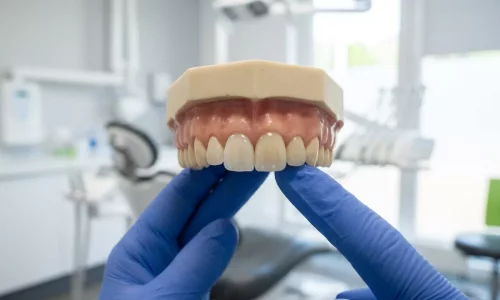
Severe bone loss in the upper jaw is common in long-term denture wearers or patients with untreated gum disease. Normally, implant-supported teeth need solid bone to anchor into—something missing in many of these patients.
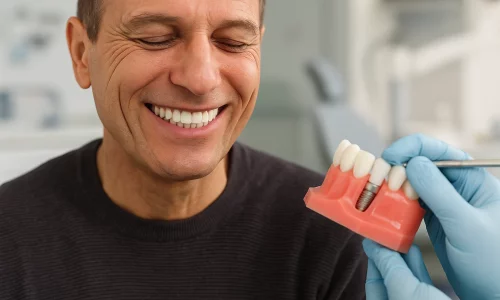
Cosmetic dentistry includes elective dental procedures designed to improve the appearance of stained, uneven, misshapen, or discolored teeth, helping you achieve the beautiful smile you deserve. With aesthetic dental treatments, you can enhance the appearance of your teeth and reach the most suitable treatment for your needs.
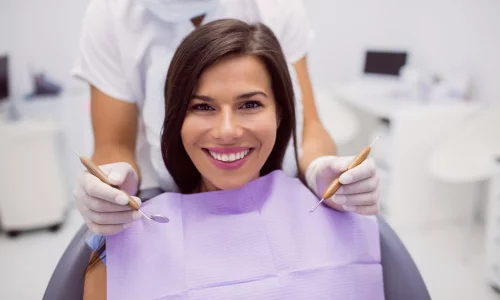
Milim Dental Hospital isn't just a clinic—it's where confident smiles begin. With a team of world-class specialists, advanced technology, and a patient-first approach, we turn dental care into a premium experience.
We prioritize hygiene, comfort, and tailor-made treatments designed just for you. Don’t just take our word for it—explore real stories from real patients.
Your perfect smile starts here. Join the Milim experience.


Milim Dental Hospital provides comprehensive dental services in a spacious 1,000 m² facility, supported by a wide team of dental professionals including specialists in Oral and Maxillofacial Surgery, Prosthodontics, Orthodontics, Pediatric Dentistry, and Periodontology.