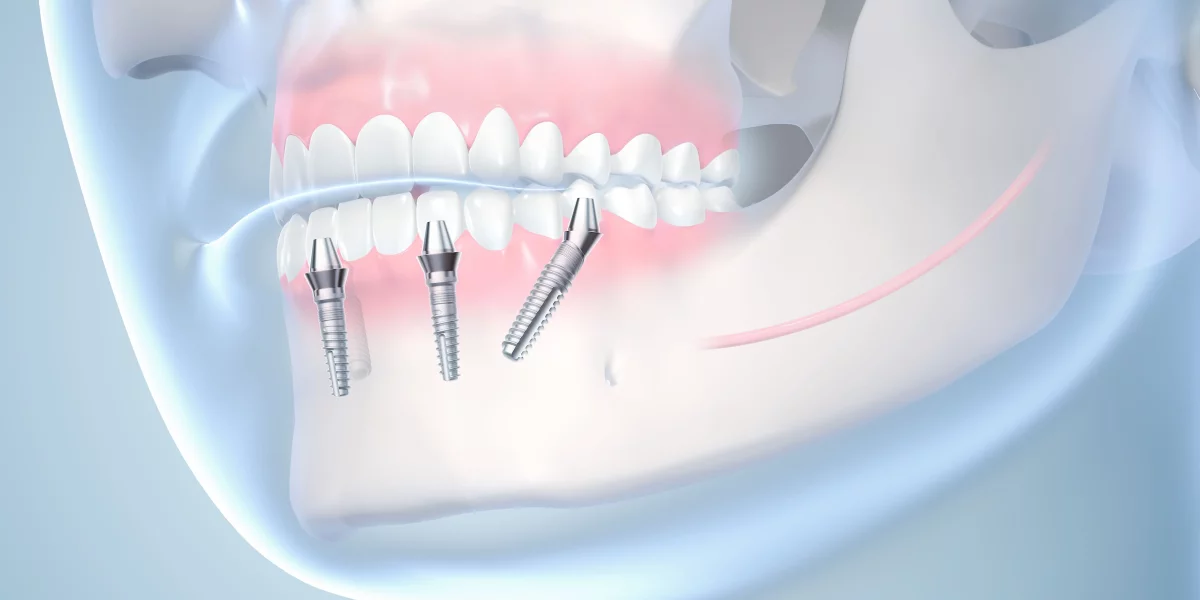
Recovering from All-on-4 implant surgery is a critical step toward achieving long-term success with your new smile. The good news is that most patients find the healing process manageable and far less intensive than traditional implant procedures, thanks to the minimally invasive nature of the technique and the reduced need for bone grafting.
Immediately after surgery, patients typically experience some swelling, bruising, and mild discomfort in the surgical area. These symptoms are normal and usually peak within the first 48 to 72 hours. Your dental surgeon will prescribe medication to help manage pain and inflammation, as well as antibiotics to prevent infection. Applying cold compresses and sleeping with your head elevated can further alleviate symptoms.
Diet plays a significant role in your recovery. For the first few days, you’ll need to follow a soft or liquid diet to avoid putting pressure on the new implants. Smoothies, soups, mashed potatoes, and protein shakes are excellent choices. As healing progresses, your dentist will gradually clear you to resume a more varied diet. Most patients can return to work and normal daily activities within a week, although strenuous exercise should be avoided for at least 10 days.
Osseointegration, the process where the implants fuse with the jawbone, begins shortly after surgery and continues over the next 3 to 6 months. During this period, you’ll wear a temporary prosthesis designed to be both functional and aesthetically pleasing. Regular checkups will be scheduled to monitor your healing progress and ensure that the implants are integrating properly.
Good oral hygiene is vital to prevent complications. While you won’t be able to brush directly over the surgical sites in the first few days, your dentist will provide specific instructions for keeping the area clean, including the use of antimicrobial rinses. Once healed, maintaining your implants involves brushing twice daily, flossing or using a water flosser, and attending routine dental visits.
It’s important to avoid smoking, as it significantly impairs healing and increases the risk of implant failure. Alcohol and caffeine should also be limited during the initial recovery period. By following your dentist’s post-operative care plan closely, you can enhance your comfort and improve the long-term success rate of the implants.
Recovery after All-on-4 is not just physical—it can be an emotional journey as well. The transformation in your appearance, functionality, and confidence is often profound. Many patients report feeling more social, eating foods they once avoided, and smiling more freely. With time and care, All-on-4 implants can become a seamless part of your daily life.
A guide explaining the recovery process after zygomatic implant treatment.

A guide to choosing between veneers and crowns for a personalized smile makeover in Turkey.
A guide explaining the limitations of Invisalign and which situations require alternative treatments.
Milim Dental Hospital isn't just a clinic—it's where confident smiles begin. With a team of world-class specialists, advanced technology, and a patient-first approach, we turn dental care into a premium experience.
We prioritize hygiene, comfort, and tailor-made treatments designed just for you. Don’t just take our word for it—explore real stories from real patients.
Your perfect smile starts here. Join the Milim experience.
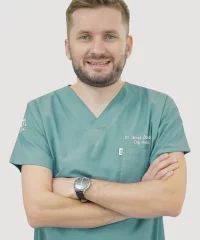

Milim Dental Hospital provides comprehensive dental services in a spacious 1,000 m² facility, supported by a wide team of dental professionals including specialists in Oral and Maxillofacial Surgery, Prosthodontics, Orthodontics, Pediatric Dentistry, and Periodontology.