Implant treatment and eligibility criteria are among the most frequently researched topics for patients experiencing tooth loss. Many people begin their search with the idea that an implant is a permanent solution for a missing tooth. However, implant treatment is not simply the placement of a screw into the empty space; it is a structured treatment process where bone structure, gum health, general health condition, and chewing balance are all evaluated together.
The first question patients usually ask is: “Am I suitable for implants?” The answer is not the same for everyone. Some patients have a single missing tooth, while others may have long-term tooth loss, bone resorption, gum disease, or a history of previous failed treatments.
For this reason, implant treatment and eligibility criteria are not determined only by age or the number of missing teeth. A personalized treatment plan is created through dental examination, panoramic imaging, and often 3D tomography combined with intraoral assessment. At Milim Dental, the goal of implant planning is not to apply a standard protocol to everyone, but to determine the most suitable approach based on the patient’s oral condition and long-term expectations.
In addition to local patients considering implant treatment in Turkey, international patients also seek detailed information. Their main concern is not only whether implants are possible, but also how predictable and well-controlled the treatment process will be. Especially in cases involving health tourism, eligibility evaluation becomes the most critical stage of planning.
Implant treatment is a restorative approach that uses artificial tooth roots placed in the jawbone to support fixed or removable prostheses in cases of missing teeth. It can be used for a single tooth with a crown, multiple missing teeth with a bridge, or full-arch restorations in more complex cases.
Patients often perceive implants as a purely aesthetic procedure. However, the purpose of an implant is not only to fill a gap. It also plays an important role in distributing chewing forces evenly, protecting adjacent teeth, preserving bone levels, and supporting overall oral function.
It is important to understand that implants are not automatically the best solution for every missing tooth. In some cases, alternatives such as bridges, orthodontic treatment, removable dentures, or other restorative approaches may be more appropriate. Therefore, the decision should be based not only on patient preference but also on clinical suitability and long-term prognosis.
One of the first factors assessed is the condition of the jawbone. If the bone height, width, or density in the implant area is insufficient, the treatment plan may need to be modified. This does not always mean implants are impossible, but it may require a different surgical approach.
Gum health is equally important. Active infections, advanced periodontal disease, or untreated oral conditions may need to be addressed before implant placement. A stable and healthy oral environment is essential for long-term success.
General health status also plays a key role. Conditions such as diabetes, smoking habits, immune system disorders, certain medications, and other systemic diseases can affect healing and treatment outcomes. Therefore, implant eligibility is evaluated not only inside the mouth but also based on the patient’s overall medical history.
At Milim Dental, implant candidates are not simply classified as “suitable” or “not suitable.” Instead, patients are informed about why they may or may not be suitable, what potential risks exist, and which precautions are necessary throughout the process. Proper patient education is considered as important as technical success.
Some patients require more detailed evaluation. In long-term tooth loss cases, bone volume may have decreased significantly. In such situations, three-dimensional assessment becomes essential, and alternative implant lengths, angles, or additional procedures may be required.
Patients who smoke heavily, have uncontrolled diabetes, or poor oral hygiene habits require more cautious planning. Implant treatment is not limited to the surgical procedure; healing and long-term maintenance are equally important. Even the best surgical outcome may not succeed without proper daily care.
Patients with teeth grinding or clenching habits also require special evaluation, as implant-supported restorations are exposed to higher mechanical forces. In such cases, night guards or modified prosthetic designs may be recommended.
For international patients traveling to Turkey, treatment planning must also include follow-up schedules, prosthetic stages, and maintenance planning. In health tourism, a reliable treatment is not just fast—it must be predictable and sustainable.
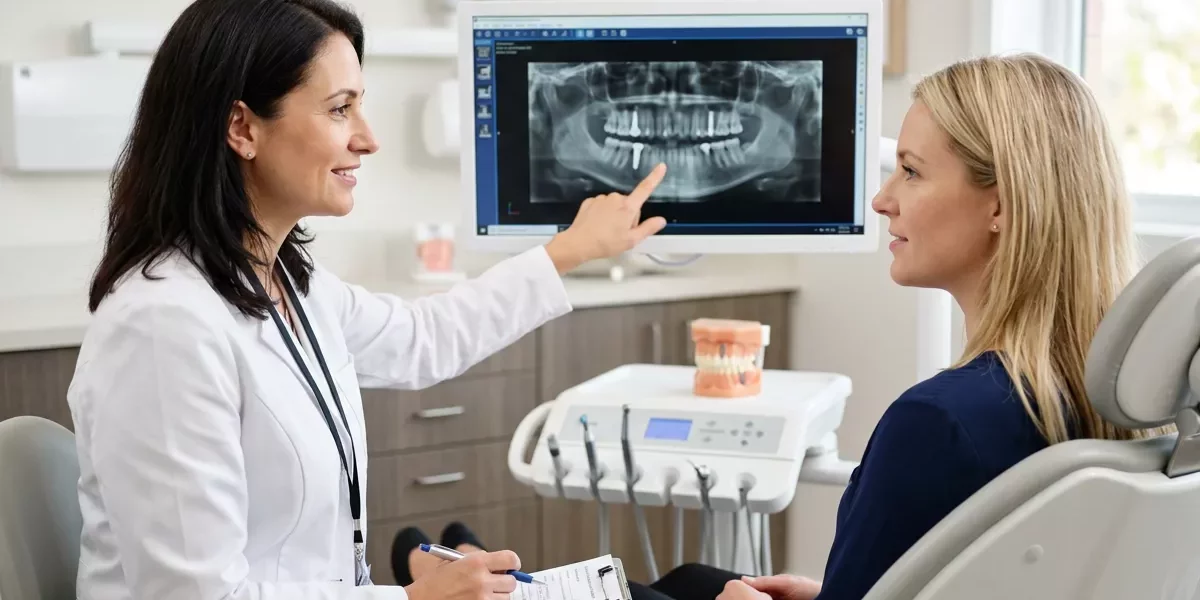
The process usually begins with a clinical examination and imaging. The dentist evaluates the missing tooth area, surrounding teeth, gum level, and bone condition. Panoramic X-rays and 3D scans are used when necessary to better understand the anatomical structure.
After evaluation, a treatment plan is created. In some cases, implants can be placed directly, while in others, tooth extraction, infection control, or tissue healing may be required first. Healing periods may vary depending on the case.
After implant placement, a healing phase begins where bone integration is monitored. Proper medication use, oral hygiene, and adherence to dietary instructions are important during this stage. Once biological stability is achieved, the final prosthetic restoration is completed.
A common question patients ask is: “Can everything be completed in one day?” While immediate treatment may be possible in selected cases, this is not applicable to every patient. The correct approach is always a biologically safe and long-term stable treatment plan.
For patients researching implant treatment in Turkey, transparency is just as important as cost. The reason for recommending implants, bone condition, number of stages, and final prosthetic planning should all be clearly explained.
For international patients, timing is especially important. Examination, surgery, healing intervals, and final restoration phases should be planned in advance. Focusing only on the first stage of treatment may lead to uncertainty later.
Bursa may offer a more controlled and manageable treatment environment for some patients compared to larger cities. At Milim Dental, the entire treatment journey—from diagnosis to final restoration and follow-up—is explained clearly to both local and international patients.
A successful implant plan is not based on brand or material alone, but on correct indication. Instead of asking “Which implant is better?”, patients should ask “What is the right treatment for my oral condition?” because long-term success depends on proper case selection and balanced surgical-prosthetic planning.
After implant placement, treatment is not considered complete. Long-term success depends heavily on maintenance. Plaque accumulation, gum inflammation, and poor oral hygiene can lead to complications around implants.
Daily oral hygiene habits are essential. Regular brushing, flossing, and the use of recommended cleaning tools help protect surrounding tissues. Patients with multiple implants or full-arch restorations require more detailed hygiene instructions.
Regular follow-up visits are also necessary. Even if the patient does not feel discomfort, the implant and surrounding tissues must be monitored clinically. At Milim Dental, post-treatment follow-up is considered as important as the surgery itself, because true success is measured not only by placement, but by long-term stability.
No, implant treatment is not automatically suitable for every patient. Bone volume, gum health, general medical condition, smoking habits, and oral hygiene must all be evaluated together. Some patients may require preliminary treatments or alternative solutions before implants can be considered. Final decisions are made after clinical examination and imaging.
Insufficient bone does not always mean implants are impossible. However, it may require additional planning and detailed 3D evaluation. In some cases, different implant sizes, angles, or supportive procedures may be considered. The appropriate approach depends on the anatomy of the missing tooth area and the patient’s overall condition.
Treatment duration varies depending on the number of missing teeth, bone condition, need for extraction, and healing time. Some cases progress faster, while others require multiple stages. Therefore, there is no standard timeline. The most accurate schedule is determined individually after clinical evaluation.
Yes, international patients can receive implant treatment in Turkey. However, treatment stages must be carefully planned in advance. Examination, surgery, follow-up, and final restoration timelines should be organized according to travel plans. Follow-up care after returning home should also be clearly discussed.
Care is not difficult, but it must be consistent. Proper brushing, cleaning around the gumline, and using recommended hygiene tools are important. Regular check-ups are also necessary to monitor tissue health. Without proper care, problems may develop over time even if the patient does not notice symptoms early.
Regular dental check-ups are essential for maintaining healthy teeth and gums. Professional cleaning, examination, and X-rays are performed by your dentist to protect your oral health. That’s why scheduling your dental appointments and following up on them is crucial. Tracking the condition of your teeth and gums directly affects your quality of life. Early intervention is extremely important—because a tooth that could be saved with a simple filling may eventually require extraction if neglected.
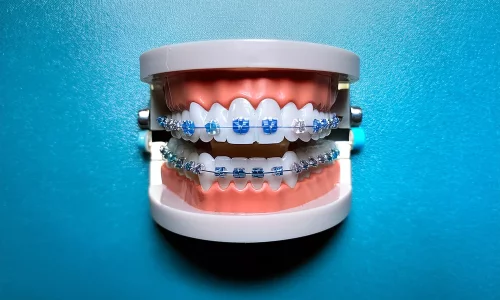
Elbette, sunduğunuz başlık için optimize edilmiş Türkçe ve İngilizce Meta Açıklamaları (Meta Description) hazırladım: 1. Meta Description (Türkçe) Diş çapraşıklığı için gerçekten tel tedavisi mi gerekiyor, yoksa Invisalign yeterli mi? Ortodontik sorunlarınızın ciddiyetine göre geleneksel diş telleri ve şeffaf plak tedavisinin (Invisalign) farklarını, avantajlarını ve hangi durumlarda tercih edilmesi gerektiğini öğrenin. 2. Meta Description (English) Do you really need traditional braces, or can Invisalign fix your dental crowding? Learn the key differences, pros, and cons of metal braces versus clear aligner therapy (Invisalign) and determine the best treatment for your specific orthodontic case.
Children's oral health: How to protect young teeth from cavities and future dental problems. Learn the importance of early diagnosis in pediatric dentistry (Pedodontics), proper brushing techniques, fluoride application, and fissure sealants.

Milim Dental Hospital isn't just a clinic—it's where confident smiles begin. With a team of world-class specialists, advanced technology, and a patient-first approach, we turn dental care into a premium experience.
We prioritize hygiene, comfort, and tailor-made treatments designed just for you. Don’t just take our word for it—explore real stories from real patients.
Your perfect smile starts here. Join the Milim experience.
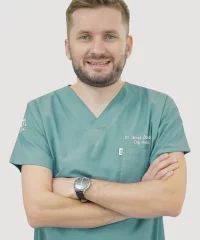

Milim Dental Hospital provides comprehensive dental services in a spacious 1,000 m² facility, supported by a wide team of dental professionals including specialists in Oral and Maxillofacial Surgery, Prosthodontics, Orthodontics, Pediatric Dentistry, and Periodontology.