

Many patients assume that once their implant treatment is finished, the hard part is over. In one sense, that is true — the implant is in place, the tooth looks good, and chewing often feels easier again. But one of the most important long-term questions begins after the implant is restored: how should you clean dental implants every day?
This is an essential question because implants do not decay like natural teeth, but they still depend on healthy surrounding tissues. If the gums around the implant become inflamed or difficult to maintain, the long-term stability of the treatment may be affected. That is why cleaning is not optional or secondary. It is one of the main parts of protecting the result.
Patients often want very simple rules. They ask whether implants are easier to clean, whether they need special products, or whether brushing is enough. The answer depends partly on the type of implant restoration, but the overall principle is always the same: the implant must be kept clean, and the surrounding tissues must stay healthy.
At Milim Dental, cleaning instructions are treated as part of implant treatment, not as an afterthought. Patients usually feel much more confident when they understand not only what to do, but why it matters.
**Do dental implants need the same care as natural teeth?**
Implants need daily care, but not in exactly the same way as natural teeth. The implant itself does not decay like enamel, but the tissues around it can still become inflamed if plaque is allowed to build up. That is why patients should not assume implants are easier to ignore just because they are artificial.
In many ways, implants require more awareness rather than less. Patients often stop worrying about decay and accidentally become less disciplined about tissue care. But the health of the gums around the implant is just as important as the visible crown on top. A clean-looking implant that is poorly maintained around the gum line may still develop problems.
This is why brushing and other hygiene measures remain very important. The goal is not only to keep the implant looking clean, but to keep the biological environment stable over time.
At Milim Dental, this distinction is explained clearly because patients usually care better for implants once they realize that “no decay” does not mean “no maintenance.”
**Is brushing enough?**
Brushing is essential, but in many cases it is not enough by itself. A toothbrush helps clean the visible surfaces, but implants often have areas near the gum line or between teeth that need more specific attention. Depending on the implant design and the neighboring teeth, plaque can collect in places the brush alone may not reach well.
This is why patients are often advised to use more than one cleaning method. The exact combination depends on whether the implant is a single crown, part of a bridge, or part of a larger implant-supported restoration. The goal is always the same: reduce plaque around the implant and protect the surrounding tissues.
Patients sometimes ask whether implants require complicated cleaning routines. Usually the answer is no — but they do require consistent and thoughtful cleaning. A simple routine done well every day is much more useful than buying many products and not using them properly.
At Milim Dental, cleaning guidance is matched to the actual restoration type so the patient knows what is useful in daily life and what is unnecessary.
**Why is the gum line around the implant so important?**
The gum line is one of the most important areas to keep clean because it is where the restoration meets the tissues. Patients often focus on the visible part of the implant crown and forget that the area at the edge of the gum is often where inflammation begins if plaque is left behind.
If the gum tissue around the implant becomes irritated, patients may notice bleeding, tenderness, swelling, or an unpleasant taste. These signs may seem small at first, but they should not be ignored. Healthy tissue around an implant should remain calm, clean, and easy to maintain.
This is why gentle but effective cleaning at the gum line matters so much. Patients should not clean aggressively out of fear, but they also should not avoid the area because they think it is delicate. Good instruction helps create the right balance.
At Milim Dental, implant patients are taught to think of the gum line as part of the implant, not just as the tissue next to it.
**Do single implants and full arch implants clean the same way?**
No, not exactly. A single implant crown usually has different cleaning needs from a full arch or implant-supported bridge. With a single implant, the patient often needs to focus on the gum line and the spaces around the implant just as they would around a natural tooth, but with extra awareness of tissue health.
Full arch or more complex implant restorations may require more detailed cleaning strategies because there can be larger spaces, harder-to-see areas, or surfaces that trap more plaque. In these cases, patients often benefit from more specific instructions and tools that match the shape of the restoration.
This is one reason general online advice can be incomplete. Patients may read “just brush twice a day” and think that applies to every implant situation. The reality is that the cleaning plan should fit the design of the implant restoration.
At Milim Dental, this is why daily hygiene instructions are individualized. Good implant care begins when the patient knows exactly what kind of restoration they are cleaning.
**What mistakes do patients make when cleaning implants?**
One common mistake is thinking implants are maintenance-free. Some patients relax too much once the treatment is completed and gradually become less careful with daily cleaning. Another mistake is the opposite: cleaning too aggressively because they are afraid of missing something. That can make the tissues sore and create unnecessary discomfort.
Some patients also skip follow-up appointments because everything feels fine. This is risky because early tissue changes are not always obvious to the patient. Professional reviews are often where subtle problems are detected before they become larger.
Another mistake is using a routine that does not fit the restoration. A patient with a full arch restoration may need a different approach from someone with a single implant. Cleaning well is not only about effort. It is about using the right method for the right implant situation.
At Milim Dental, patients are encouraged to see implant hygiene as a skill they can learn, not just as a generic instruction to “brush better.”
**How can patients protect implants long term?**
Long-term protection begins with consistency. Daily brushing, cleaning around the gum line, using the right hygiene aids for the restoration type, and attending regular professional reviews all help keep implant tissues healthy. Patients who remain consistent with these habits often give themselves the best long-term chance of success.
Patients should also pay attention to warning signs. Bleeding, swelling, persistent bad taste, gum tenderness, or changes in how the implant feels during chewing all deserve attention. Good cleaning is not only about prevention. It also helps patients notice when something seems different.
The most useful mindset is to think of an implant as something that still lives in a biological environment. It may be artificial, but the tissues around it are not. Those tissues need respect, care, and monitoring.
At Milim Dental, this long-term perspective is part of treatment philosophy. A beautiful implant result is only complete when the patient can maintain it well.
**Frequently Asked Questions**
**Do dental implants need to be brushed every day?**
Yes. Even though implants do not decay like natural teeth, the surrounding tissues still need daily cleaning. Plaque can build up around the gum line and affect tissue health if the area is neglected. Good daily cleaning is one of the most important parts of protecting the implant long term.
**Is brushing alone enough for implant care?**
Not always. Brushing is essential, but some implant restorations may need additional cleaning methods depending on their design and the spaces around them. The exact routine depends on whether the implant is a single crown, part of a bridge, or part of a larger restoration. The goal is to keep both the visible surfaces and the surrounding tissues clean.
**What should patients watch for when cleaning around an implant?**
Patients should pay attention to bleeding, swelling, tenderness, bad taste, or any part of the implant area that feels harder to clean than before. These can be early signs that the tissues need attention. Healthy tissue around an implant should generally stay calm and easy to maintain.
**Can full arch implant restorations be harder to clean?**
Yes, they can be. Larger restorations often have different contours and access points than single implant crowns, so the cleaning strategy may need to be more specific. That is why patients with full arch restorations usually benefit from detailed hygiene instruction rather than generic advice.
**Why do follow-up appointments matter if I clean well at home?**
Because some tissue changes are easier for a professional to notice early. Patients may feel comfortable and still have small issues developing around the implant or restoration. Regular reviews help protect the long-term result and support the patient’s home care routine.
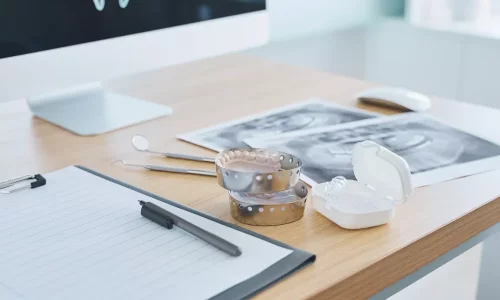
A checklist explaining the essential records needed for an effective orthodontic consultation.
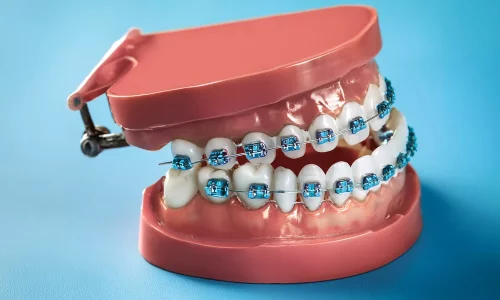
Can orthodontic treatment (braces/Invisalign) and dental implant placement be done at the same time? Learn why the correct order and timing of treatment are critical for successful outcomes and how the orthodontist and surgeon collaborate.
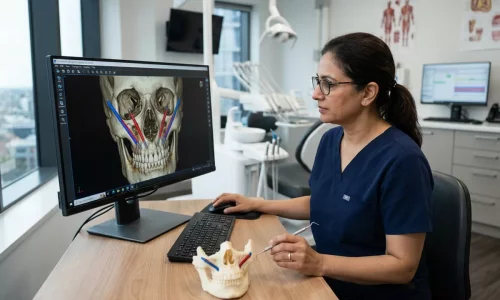
Discover how zygomatic implants are planned using 3D imaging to provide a secure dental solution for severe bone resorption.
Milim Dental Hospital isn't just a clinic—it's where confident smiles begin. With a team of world-class specialists, advanced technology, and a patient-first approach, we turn dental care into a premium experience.
We prioritize hygiene, comfort, and tailor-made treatments designed just for you. Don’t just take our word for it—explore real stories from real patients.
Your perfect smile starts here. Join the Milim experience.

Milim Dental Hospital provides comprehensive dental services in a spacious 1,000 m² facility, supported by a wide team of dental professionals including specialists in Oral and Maxillofacial Surgery, Prosthodontics, Orthodontics, Pediatric Dentistry, and Periodontology.