Zygomatic implants are among the most frequently researched advanced implant treatments, especially for patients experiencing severe bone loss in the upper jaw. Many patients begin researching this treatment with the question: “I was told that regular implants are not possible for me — do I have any other options?” This topic becomes even more important for individuals who have been edentulous for a long time, do not want to use removable dentures, or were previously considered unsuitable for implants due to insufficient bone volume.
However, zygomatic implants should not be viewed simply as a longer version of standard implant treatment. This approach requires more advanced evaluation in terms of anatomical planning, surgical experience, prosthetic design, and patient selection. Therefore, the presence of bone loss alone does not automatically mean that a patient is suitable for zygomatic implants.
One of the most common misconceptions among patients is this: not every case of severe bone loss requires zygomatic implants. In some patients, alternative implant planning, bone augmentation procedures, or different prosthetic solutions may also be considered. For this reason, the correct decision is always made through clinical examination, tomography, and detailed treatment planning.
In addition to local patients researching advanced implant treatments in Turkey, international patients are also interested in learning more about zygomatic implants. The reason is that this treatment can offer an important option for achieving fixed teeth in certain complex cases. At Milim Dental, this approach is evaluated not only as a surgical solution, but as a comprehensive treatment plan tailored to the patient’s anatomy, expectations, and long-term maintenance needs.
What are zygomatic implants?
Zygomatic implants are an advanced implant treatment approach planned for certain patients with severe bone loss in the upper jaw, where implant support is obtained from the cheekbone (zygoma) region. While conventional implants are typically placed into the alveolar bone of the upper jaw, zygomatic implants are evaluated along a different anatomical pathway. For this reason, surgical planning, implant length, angulation, and prosthetic emergence profile differ from standard implant treatment.
The main purpose of this treatment is to create an alternative support system for fixed restorations in cases where bone support in the anterior and posterior regions of the upper jaw has become severely reduced. Patients often describe this as “a special implant used because there is not enough bone.” This description is not entirely wrong, but treatment success depends not only on reduced bone volume, but also on proper anatomical evaluation and correct case selection.
Zygomatic implants are usually considered as part of a full-arch rehabilitation. In other words, the goal is not simply replacing a single missing tooth, but supporting a broader restorative plan in the upper jaw. Therefore, the prosthetic phase must be considered from the very beginning, not only the surgical procedure.
Who may be suitable for this treatment?
Zygomatic implants are generally evaluated in patients with advanced bone loss in the upper jaw. Individuals who have been edentulous for many years, have used removable dentures, developed severe bone resorption, or were previously considered unsuitable for conventional implants may fall into this category. In some cases, a history of failed implants or bone graft procedures may also be part of the patient’s story.
However, suitability is not determined solely by the phrase “there is no bone.” The patient’s general health condition, sinus anatomy, oral hygiene habits, smoking history, jaw relationship, and expectations from the prosthesis must all be evaluated together. In addition, the patient’s ability to understand and manage the surgical and maintenance process is also important.
There is another important point here: not every case of advanced bone loss requires zygomatic implants. In some patients, alternative implant distributions, short implants, pterygoid-supported plans, or staged approaches may be considered. For this reason, Milim Dental focuses not on offering a single option, but on clearly explaining why this treatment may be recommended or why another approach may be more appropriate.
How does the treatment process progress?
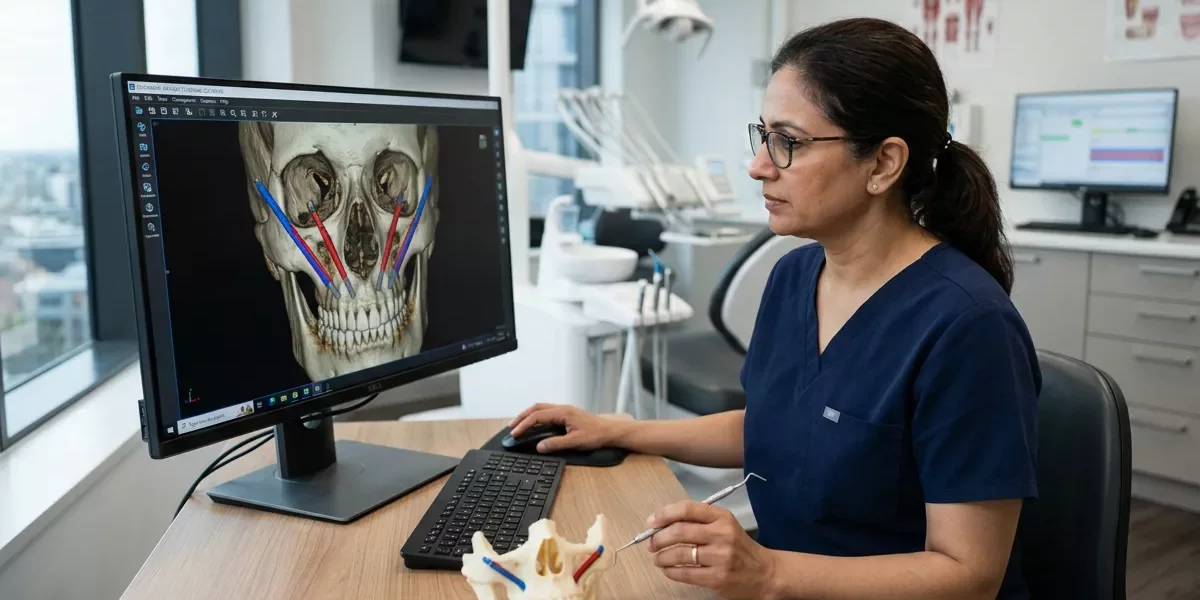
The treatment process for zygomatic implants always begins with detailed diagnosis. Panoramic imaging may provide a general overview, but actual planning is usually performed with three-dimensional tomography. This is because the implant pathway, sinus relationship, zygomatic bone support, and prosthetic emergence profile can only be properly analyzed in this way.
During the examination stage, not only bone level but also the patient’s existing teeth, soft tissue support, mouth opening, bite relationship, and overall health status are evaluated. Since this treatment is often part of a full-arch rehabilitation, the surgical and prosthetic plans cannot be considered separately. The patient’s expectations also play a critical role here, because while some patients primarily want fixed teeth, others place greater importance on esthetic outcomes.
Compared to standard implant cases, the surgical stage requires more advanced planning and experience. Tooth extractions, combination planning with other implants, and the possibility of temporary fixed restorations are evaluated depending on the individual case. The same protocol is not applied to every patient; while some cases may progress more quickly, others may require a more cautious and staged approach.
One of the topics patients are most curious about is when temporary teeth can be placed. In some cases where sufficient stability is achieved, early temporary restorations may be planned. However, since this depends on the extent of the surgery, implant stability, and the overall prosthetic strategy, it is not correct to promise the same timeline to every patient.
What are the advantages and limitations?
One of the most important advantages of zygomatic implants is that they can provide an alternative for fixed restorations in selected cases of severe bone loss. Especially for patients who have used removable dentures for years due to significant upper jaw bone deficiency, this treatment may create an important improvement in both function and quality of life. In certain patients whose fixed-teeth goals seem limited with standard implant options, this approach may offer a significant advantage.
Another important point is that, in some cases, zygomatic implants may be considered as an alternative to extensive bone augmentation procedures. Although this does not carry the same meaning for every patient, it may allow treatment to be planned differently in some severely atrophic upper jaw cases. Still, this should not automatically be interpreted as an easier or shorter treatment.
The limitations of this treatment should be discussed just as openly as the advantages. Zygomatic implants require advanced surgical planning, and the same level of treatment quality may not be available in every clinic. In addition, if sinus relationships, oral hygiene, prosthetic design, and long-term maintenance needs are ignored, simply saying “the implants were placed” does not mean the treatment was successful.
Patients sometimes hear this treatment described as a “last resort” or a “permanent solution,” which can create confusion. In reality, the approach should be more balanced: zygomatic implants can be a powerful option in the correct indication, but they should not be presented as necessary or risk-free for everyone. Suitability can only be determined through dental examination and tomographic evaluation.
What should be considered when planning treatment in Turkey?
For patients researching advanced implant treatments in Turkey, one of the most important topics is not only price, but also the depth of planning. Especially in advanced cases such as zygomatic implants, it is not enough to simply hear “this treatment can be done for you.” The patient should clearly understand why it is recommended, which anatomical findings support the recommendation, and how the prosthetic plan will be structured. In other words, patients should understand not only the procedure itself, but the entire treatment philosophy.
For patients traveling to Turkey through health tourism, treatment logistics are also important. The timing of the initial examination, tomography, surgery day, possible temporary restorations, and follow-up appointments should all be discussed in advance. While the fast pace of larger cities may seem attractive to some patients, cities such as Bursa, which offer a more controlled patient flow, may provide a more comfortable experience for advanced treatment planning.
At Milim Dental, the treatment process for both local and international patients is not explained only through the operation day itself. Patients are informed clearly about all expected stages, from examination and diagnosis to the prosthetic process and follow-up period. Especially in cases requiring advanced surgery, this transparency becomes essential for patient confidence.
Another important point patients should evaluate when deciding where to receive treatment is whether the clinic focuses only on surgery or also on the final prosthetic outcome. Because zygomatic implants only gain real meaning when they ultimately support the patient’s speech, chewing function, and esthetic satisfaction. Good treatment is not only about the operation itself — it is about planning the final result.
Why is post-treatment maintenance important?
The treatment is not considered complete after zygomatic implants are placed. Especially in patients with full-arch fixed restorations, oral hygiene, cleaning around the prosthesis, and regular follow-up appointments are critical for long-term success. Once patients regain fixed teeth, they may sometimes think the process is entirely finished, but maintenance discipline is an inseparable part of this treatment.
Daily care should include cleaning beneath the prosthesis, protecting the surrounding gum tissues, and regularly using the hygiene products recommended by the dentist. Interdental brushes, water flossing devices, or special hygiene aids may be recommended when necessary. Without regular follow-up care, problems may develop in surrounding tissues even if the patient does not initially notice symptoms.
This issue must be managed even more carefully in international patients. Patients should know in advance what to pay attention to after returning home, in which situations they should contact the clinic, and how the first follow-up schedule will be organized. For this reason, Milim Dental considers post-treatment maintenance to be just as important as the surgery itself.
Frequently Asked Questions
Can zygomatic implants be applied to everyone?
No, zygomatic implants are not automatically considered suitable for every patient. This treatment is generally evaluated in selected patients with advanced bone loss in the upper jaw. Tomography, sinus anatomy, general health condition, oral hygiene, and the prosthetic plan must all be evaluated together. In some patients, alternative implant solutions or other treatment options may be more appropriate. The final decision should always be made after a detailed dental examination.
Are zygomatic implants different from regular implants?
Yes, zygomatic implants differ from standard implants both in anatomical placement and surgical planning. These implants are evaluated in selected cases with more advanced upper jaw bone loss, and support is obtained from a different bone region. For this reason, they should not simply be considered “longer implants.” Planning, surgical application, and prosthetic design all require more advanced evaluation.
Can fixed teeth be placed on the same day with zygomatic implants?
In some suitable cases, temporary fixed restorations may be planned earlier. However, this is not a standard protocol for every patient. The extent of surgery, implant stability, accompanying implants, and the overall prosthetic strategy all influence this decision. Therefore, same-day fixed teeth cannot be guaranteed in every case. The best approach is always to choose the biologically safest treatment timeline.
How many days should I plan for zygomatic implant treatment in Turkey?
This depends on the patient’s initial condition, the scope of the procedures, and whether temporary restorations are planned. A personalized schedule is created for the first examination, tomography, surgery, and early follow-up stages. Especially for international patients, flights and accommodation plans should be organized in harmony with the clinical timeline. The exact duration can only be determined after examination, not through general information alone.
Is maintenance difficult after zygomatic implants?
Maintenance is not impossible, but it requires consistency. Especially in fixed full-arch restorations, cleaning around the prosthesis, maintaining gum health, and attending regular check-ups are extremely important. Using the hygiene aids recommended by the dentist may be beneficial. If post-treatment care is neglected, problems may develop in the surrounding tissues even before the patient notices them. For this reason, patient compliance plays a key role in long-term success.
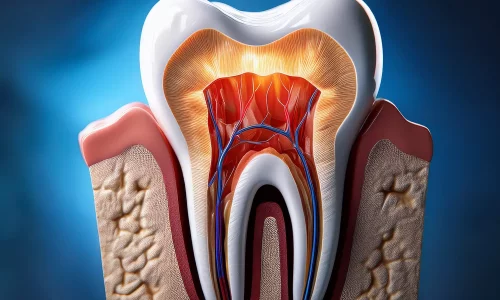
Does a root canal hurt? The real truth about pain, numbness, and the healing process. Learn why modern anesthesia makes root canal treatment (endodontics) nothing to fear, why the initial pain comes from the infection, and what to expect during recovery.
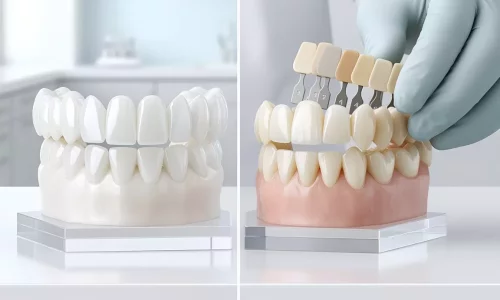
A guide explaining how veneers can achieve a natural look compared to the typical Hollywood Smile.
A guide on how many hours per day you should wear clear aligners for optimal teeth alignment.

Milim Dental Hospital isn't just a clinic—it's where confident smiles begin. With a team of world-class specialists, advanced technology, and a patient-first approach, we turn dental care into a premium experience.
We prioritize hygiene, comfort, and tailor-made treatments designed just for you. Don’t just take our word for it—explore real stories from real patients.
Your perfect smile starts here. Join the Milim experience.

Milim Dental Hospital provides comprehensive dental services in a spacious 1,000 m² facility, supported by a wide team of dental professionals including specialists in Oral and Maxillofacial Surgery, Prosthodontics, Orthodontics, Pediatric Dentistry, and Periodontology.