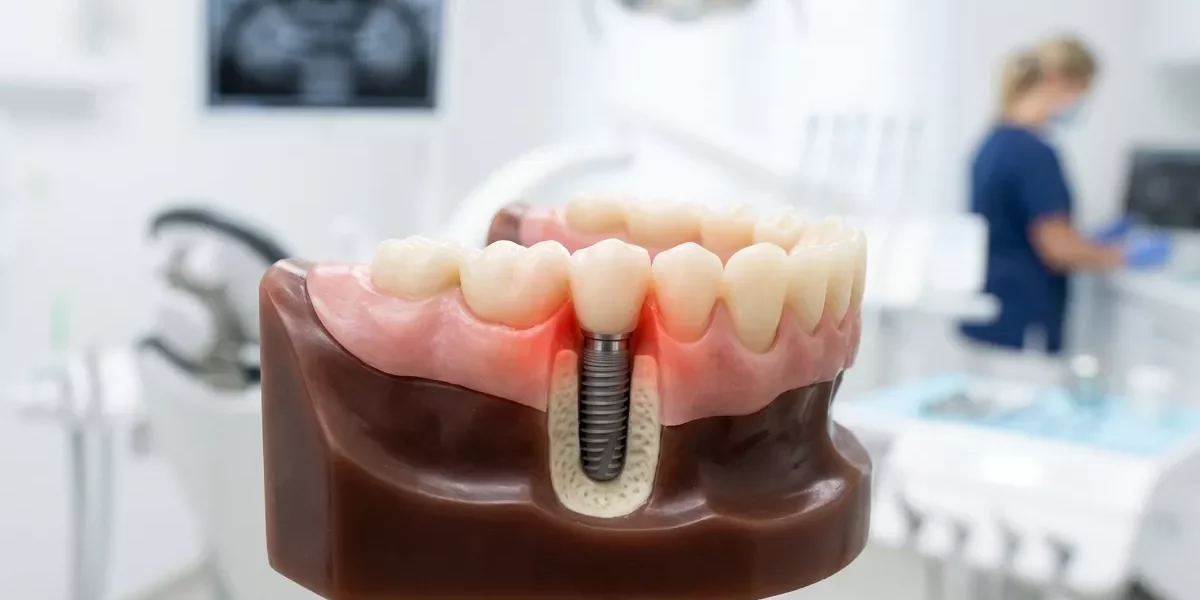
Dental implant failure is one of the topics patients search most when they feel discomfort, mobility, swelling, or unexpected changes around an implant. Even patients who are generally happy with their treatment often worry when something feels “different.” A little soreness may be normal in some situations, but persistent symptoms can make people fear that the implant is failing.
This fear is understandable. Dental implants are often seen as long-term solutions, so when a patient notices pain, gum changes, pressure, or movement, the reaction is usually immediate anxiety. Many patients start looking online for simple answers, but implant failure is not always obvious or dramatic in the beginning. In some cases, the early signs are subtle.
That is why it is important to understand that implant failure does not always mean the same thing. Sometimes the problem is related to healing. Sometimes it is related to inflammation in the tissues around the implant. Sometimes the implant itself may be under excessive pressure or may not be integrating with the bone as expected. The earlier the problem is recognized, the easier it may be to manage.
At Milim Dental, patients are encouraged not to ignore changes around an implant. The goal is not to create panic, but to help people understand what deserves attention and when professional evaluation becomes important.
## **What does implant failure actually mean?**
Patients often use the phrase “implant failure” to describe any problem around an implant, but clinically this can mean several different things. In the early phase, failure may refer to the implant not integrating with the bone properly after placement. In a later phase, it may refer to problems that develop after the implant has already been in function for some time.
This distinction matters because not every complication means the same thing. Some issues may involve the surrounding gum tissue rather than the implant itself. Others may involve overload, bite imbalance, or bone changes that develop gradually. A restoration problem on top of the implant can also be mistaken for implant failure by the patient.
That is why symptoms should always be interpreted carefully. Pain does not always mean total failure. Swelling does not always mean the implant is lost. But these signs should still be taken seriously, especially if they do not improve.
At Milim Dental, the focus is always on identifying what kind of problem is actually happening, not simply labeling every concern as “failure” from the start.
## **What symptoms should patients pay attention to?**
One of the most important warning signs is persistent pain that does not follow a normal healing pattern. Mild discomfort after surgery can be expected, but pain that gets worse, returns later, or continues longer than expected should not be ignored. Many patients notice that something feels wrong before they can describe it clearly.
Swelling, redness, or recurring bleeding around the implant site may also be warning signs. These symptoms can point to inflammation in the surrounding tissues. A bad taste, unpleasant odor, or discharge around the implant may suggest infection or tissue breakdown that needs professional attention.
Mobility is another major concern. A dental implant should not feel loose. If a patient feels movement in the implant area, that can be alarming. However, it is also important to remember that sometimes the looseness comes from the restoration or abutment rather than the implant itself. Patients cannot reliably determine this on their own.
Changes in chewing comfort are also meaningful. If biting suddenly feels strange, painful, unstable, or different from before, the area should be assessed. Some implant problems show themselves through function before obvious visual symptoms appear.
## **Can gum problems around an implant be an early sign?**
Yes, gum changes around an implant can be one of the earliest signs that something is wrong. Patients may notice redness, puffiness, bleeding during brushing, or tenderness around the gum line. These signs may seem minor at first, which is why some people ignore them for too long.
The tissue around an implant should look healthy and stable. If inflammation begins, it may affect only the soft tissue in the beginning, but in some cases it can progress and influence the bone support around the implant as well. That is why early intervention matters.
Patients sometimes assume that implants cannot develop the same kinds of hygiene-related problems as natural teeth. That is not true. Implants still depend on healthy surrounding tissues, and poor cleaning habits can contribute to complications.
At Milim Dental, changes in the gum condition around implants are treated as important early signals, not just cosmetic concerns. Tissue health is part of implant health.
## **Why can implants fail even after they seem successful?**
Some patients are surprised to learn that implant complications can happen even after the implant initially seemed fine. The reason is that long-term implant success depends on more than just the day the implant was placed. Bite forces, oral hygiene, smoking, grinding, general health, and follow-up care all influence what happens over time.
An implant that heals well may later develop problems if it is overloaded, not cleaned properly, or surrounded by inflamed tissue. In some cases, the issue is not with the implant body itself, but with the way forces are being distributed during chewing. In other cases, delayed complications may be related to tissue instability or maintenance problems.
This is why patients should not think of implants as permanent objects that never need attention once they feel comfortable. Implants need monitoring just like other long-term dental work. A successful beginning is important, but it is not the only factor.
At Milim Dental, patients are reminded that implants are long-term treatments that still need care, hygiene, and professional review after the initial healing is over.
## **What should patients do if they suspect a problem?**
The first step is not to panic, but also not to wait too long. If a patient notices ongoing pain, swelling, mobility, unusual bleeding, or changes in chewing comfort, the safest approach is to schedule a professional assessment. Online searching can help a patient understand possible warning signs, but it cannot replace clinical evaluation.
It is also important not to keep testing the implant with the tongue or fingers if it feels strange. Repeated pressure on a sensitive or unstable area may increase irritation. Patients should also continue oral hygiene carefully, unless they have been given specific instructions to protect a fresh surgical site.
Imaging and examination may be needed to determine whether the problem is related to the implant itself, the surrounding tissues, or the restoration connected to it. These are very different issues, and the treatment response depends on identifying the real cause.
At Milim Dental, the emphasis is on early assessment. The sooner a problem is understood, the more options there may be for protecting the implant or managing the issue effectively.
## **Can implant failure be prevented?**
Not every problem is preventable, but many risks can be reduced. Good planning at the beginning matters, but so do hygiene, bite control, smoking reduction, and regular follow-up. Patients who clean well and attend review appointments often give themselves a better chance of long-term implant success.
Grinding and clenching should also be taken seriously. Excessive force can affect implants and restorations over time, especially if the patient is unaware of the habit. In some cases, additional protection may be recommended to reduce overload risks.
Professional monitoring matters because patients may not notice early tissue changes or bite-related stress until the problem becomes larger. Routine follow-up is not just a formality. It is one of the ways implant health is protected.
At Milim Dental, prevention is discussed as part of implant treatment itself. A strong result depends not only on surgery, but also on what happens afterward.
## **Frequently Asked Questions**
### **How do I know if my dental implant is failing?**
Patients often worry when they notice pain, swelling, bleeding, mobility, or changes in chewing comfort. These can be warning signs, but they do not always mean complete implant failure. Sometimes the issue may involve the surrounding tissues or the restoration rather than the implant itself. The only reliable way to know is through professional examination and, when needed, imaging.
### **Is pain around an implant always a bad sign?**
Not always. Some discomfort can be part of normal healing after surgery. However, pain that increases, lasts longer than expected, returns after a comfortable period, or appears during chewing should be evaluated. Persistent pain deserves attention because it may indicate inflammation, instability, or another issue around the implant area.
### **Can an implant feel loose even if it has not failed?**
Yes, sometimes what feels loose is not the implant itself but the restoration, abutment, or screw-retained component above it. Patients usually cannot tell the difference on their own. That is why any feeling of movement should be checked professionally rather than assumed to mean total failure.
### **Can gum bleeding around an implant be serious?**
It can be. Gum bleeding may be one of the earliest signs of inflammation around an implant. While it does not always mean the implant is failing, it should not be ignored, especially if it keeps happening or is associated with swelling, tenderness, or bad taste. Healthy tissue around implants should remain stable and easy to clean.
### **What should I do if I think something is wrong with my implant?**
The best step is to arrange a professional evaluation as soon as possible. Patients should avoid repeatedly touching or testing the area and should continue careful hygiene unless they were recently given different instructions. Early assessment is important because some implant-related problems are easier to manage when they are identified quickly.
A guide explaining crossbite, its impact, and the importance of timely orthodontic intervention for different ages.
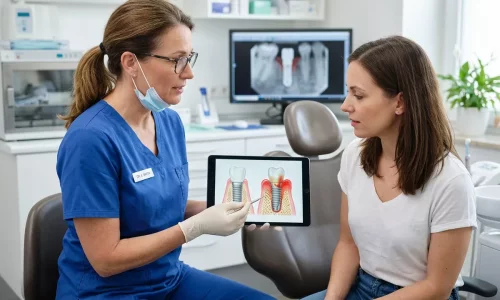
Understand the causes, symptoms, and vital treatments for infection around an implant to protect your smile and bone health.
Discover why a well-designed smile has a powerful impact on how others perceive you.

Milim Dental Hospital isn't just a clinic—it's where confident smiles begin. With a team of world-class specialists, advanced technology, and a patient-first approach, we turn dental care into a premium experience.
We prioritize hygiene, comfort, and tailor-made treatments designed just for you. Don’t just take our word for it—explore real stories from real patients.
Your perfect smile starts here. Join the Milim experience.

Milim Dental Hospital provides comprehensive dental services in a spacious 1,000 m² facility, supported by a wide team of dental professionals including specialists in Oral and Maxillofacial Surgery, Prosthodontics, Orthodontics, Pediatric Dentistry, and Periodontology.