
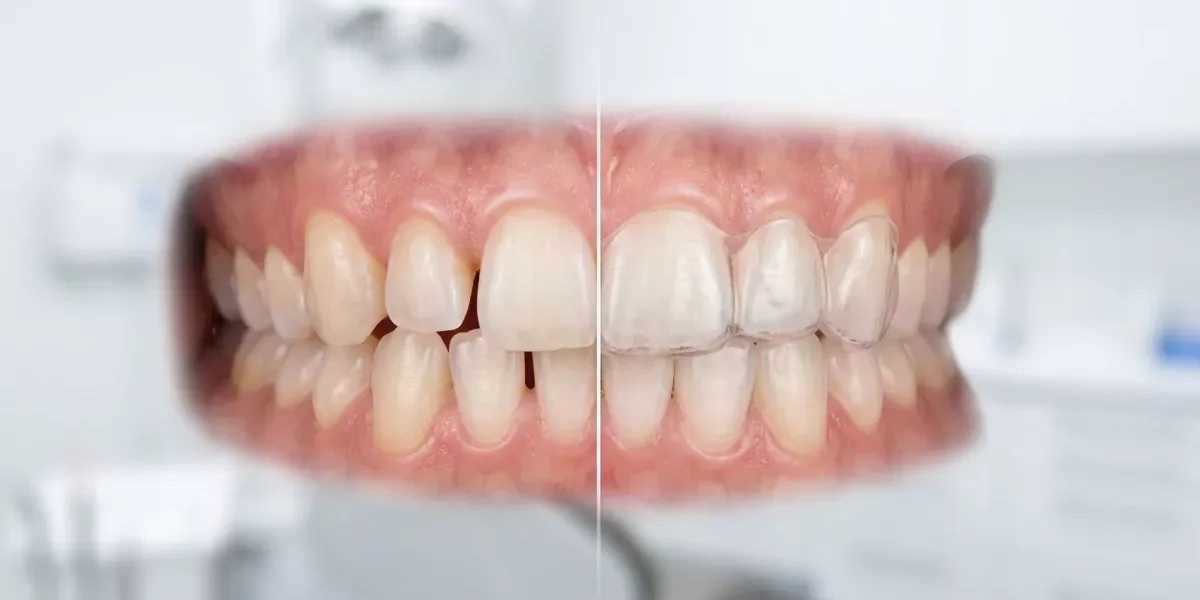
One of the most common questions patients ask is what Invisalign can actually fix. This is a very important question because many people know that Invisalign is used to straighten teeth, but they are not always sure what that really means in their own case. Some assume it only works for very minor cosmetic issues. Others believe it can solve any orthodontic problem just because it is modern and popular. The truth lies somewhere in between.
Invisalign can be a very effective treatment in many cases, but it should not be understood as a magic cosmetic product. It is an orthodontic system designed to move teeth gradually through a structured aligner sequence. That means it can address a range of alignment concerns when the case is suitable and the treatment is planned well.
The real question is not just “What can Invisalign fix in general?” It is “What can Invisalign fix in my smile and bite?” That is where proper evaluation becomes essential. The same words — crowding, spacing, bite, alignment — may mean very different things in different patients.
At Milim Dental, Invisalign is explained according to actual treatment goals rather than broad marketing language. That helps patients understand whether the system is likely to address the concerns that matter most to them.
**Can Invisalign fix crowded teeth?**
Yes, in many cases it can. Crowding is one of the most common reasons patients seek orthodontic treatment, and Invisalign is often considered for this type of concern. When teeth overlap, twist, or sit too close together, the smile may look irregular and can also be harder to clean properly.
Patients are often drawn to Invisalign for crowding because they want visible improvement without traditional braces. In suitable cases, clear aligners can guide the teeth into more organized positions over time, helping the smile look cleaner and more balanced. This can make a major aesthetic difference for adults and teenagers alike.
However, the amount and type of crowding still matter. Not all crowding is identical, and not all crowded cases should be assumed to follow the same treatment path. This is why patients should not judge suitability only by looking in the mirror. A professional evaluation is needed to understand what kind of movement is actually required.
At Milim Dental, crowding is assessed not only as a cosmetic issue, but also as part of the overall orthodontic plan.
**Can Invisalign fix gaps between teeth?**
Yes, spacing is another concern Invisalign can often address. Patients with gaps between teeth are often bothered by the appearance of those spaces, especially in the front of the smile. Some feel the smile looks incomplete or less polished. Others are more concerned about how the teeth line up visually when they speak or take photos.
In many suitable cases, Invisalign can be used to guide the teeth closer together and improve the overall continuity of the smile. This can create a very satisfying visual change, particularly when the spaces are a major source of self-consciousness for the patient.
Still, spacing should not be viewed only as a cosmetic issue. The reason the spaces exist, the bite relationships around them, and the overall smile design all matter. Some spacing cases are quite straightforward. Others need more thoughtful planning to make sure the final result feels balanced and stable.
At Milim Dental, spacing is discussed in terms of both smile appearance and orthodontic structure, because closing spaces is most successful when it supports the whole smile naturally.
**Can Invisalign help with bite issues?**
Yes, in some cases it can. One of the biggest misconceptions about Invisalign is that it is only for front-tooth cosmetic alignment. In reality, bite is often part of the orthodontic conversation. Patients may first notice crooked or uneven teeth, but the treatment goals may also involve how the upper and lower teeth relate to each other.
This is important because some people mainly think about straightness, while orthodontic treatment may also be considering the function of the bite. Invisalign may be part of a plan that aims to improve not just visual alignment but also how the teeth meet and work together.
However, bite issues vary widely in type and complexity. This is why patients should never assume that all bite concerns are identical or that every bite problem is automatically suited to the same aligner plan. The relationship between the arches matters just as much as the position of the visible front teeth.
At Milim Dental, bite is never treated as a secondary detail. It is part of understanding what Invisalign is expected to improve and whether the system is truly appropriate for the case.
**Can Invisalign fix small cosmetic problems only?**
Not only. This is one of the main myths patients carry into consultation. Because Invisalign is clear and discreet, some people think it must only work for very minor cosmetic issues. While it is often chosen for smiles that need refinement, it should not be reduced to a tiny-correction treatment in principle.
At the same time, not every orthodontic case is best managed with Invisalign. That is why the discussion must remain balanced. Invisalign can be very useful in many alignment situations, but suitability depends on the clinical plan rather than on the fact that the aligners are popular or nearly invisible.
Patients usually feel much more comfortable once they stop thinking in extremes. Invisalign is not only for tiny changes, and it is not automatically the right answer for every movement either. It is a real orthodontic system that works best when its strengths match the needs of the case.
At Milim Dental, this nuance is made very clear because orthodontic decisions should be based on realistic indications, not internet assumptions.
**Can Invisalign fix everything braces can fix?**
This is not the most useful way to think about it. Patients often want a direct yes-or-no comparison, but the better question is whether Invisalign is the right tool for the case being treated. Invisalign and braces are two different orthodontic systems, and which one is more appropriate depends on the movement required, the bite, and the patient’s ability to cooperate with treatment.
Some patients may be equally well managed with either system, depending on the specifics of the case. Others may be better suited to one treatment path over the other. This is why comparing them as if one must always defeat the other usually oversimplifies the real decision.
The important point is that Invisalign should not be chosen only because it looks appealing. It should be chosen because it is expected to manage the treatment goals well. When that match is good, patients often have a very positive experience.
At Milim Dental, the goal is always to choose the orthodontic system that fits both the smile and the patient’s real-life behavior most effectively.
**What should patients ask if they want Invisalign?**
Patients should ask what specific problems Invisalign is being expected to improve in their case. Is the goal to reduce crowding, close spaces, improve smile symmetry, support the bite, or a combination of these? That question helps move the conversation from general popularity to real clinical purpose.
They should also ask whether Invisalign is being recommended because it is genuinely suitable or simply because it is the system they requested. Orthodontic treatment works best when the appliance choice follows the case design rather than the other way around.
Another useful question is whether the patient’s daily habits support clear aligner treatment. Because Invisalign is removable, the treatment depends on consistency. A patient who is a great clinical candidate still needs to be a good practical candidate too.
At Milim Dental, these questions are encouraged because the best Invisalign outcomes begin with understanding exactly what the system is being asked to fix.
**Frequently Asked Questions**
**Can Invisalign fix crowded teeth?**
Yes, in many cases it can. Crowding is one of the most common reasons patients choose Invisalign, and clear aligners can often guide crowded teeth into better positions over time. However, the type and degree of crowding still matter. Proper evaluation is needed to understand whether the case is suitable for aligner treatment.
**Can Invisalign close gaps?**
Yes, it often can. Many patients use Invisalign to address spaces between teeth, especially in visible parts of the smile. Closing gaps can improve both appearance and smile continuity. The treatment plan still depends on why the spaces exist and how the overall bite and alignment need to be managed.
**Does Invisalign only fix cosmetic alignment?**
No. While many patients seek Invisalign for smile appearance, bite relationships may also be part of the treatment plan. Invisalign should not be seen only as a front-tooth cosmetic treatment. In many cases, it is part of broader orthodontic planning.
**Can Invisalign fix every orthodontic problem?**
Not automatically. Invisalign is highly useful in many cases, but not every orthodontic issue is best managed the same way. The important question is not whether it can fix “everything,” but whether it is the right system for the specific movements and treatment goals in your case.
**What is the best way to know what Invisalign can fix for me?**
The best way is through a proper orthodontic evaluation. That allows the dentist or orthodontic provider to assess your crowding, spacing, bite, and smile goals clearly. General online answers can be helpful for orientation, but the real answer always depends on the individual case.
How to choose a safe and reliable dental clinic in Turkey? Learn critical factors for international patients, including checking surgeon expertise, sterilization standards, official certifications, and seeking genuine patient testimonials before starting your treatment.

Discover if full mouth dental implants are your ideal solution for restoring function, aesthetics, and lasting confidence.
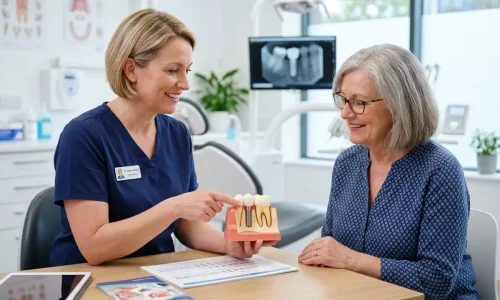
A guide explaining Invisalign refinements and when additional aligners may be needed.

Milim Dental Hospital isn't just a clinic—it's where confident smiles begin. With a team of world-class specialists, advanced technology, and a patient-first approach, we turn dental care into a premium experience.
We prioritize hygiene, comfort, and tailor-made treatments designed just for you. Don’t just take our word for it—explore real stories from real patients.
Your perfect smile starts here. Join the Milim experience.

Milim Dental Hospital provides comprehensive dental services in a spacious 1,000 m² facility, supported by a wide team of dental professionals including specialists in Oral and Maxillofacial Surgery, Prosthodontics, Orthodontics, Pediatric Dentistry, and Periodontology.