

Fluoride is an essential element for the human body. Because of its tendency to bind with calcium, it plays an important role in the skeletal system as well as in the enamel and dentin layers of the teeth. Today, fluoride is considered one of the most effective materials for preventing tooth decay. For this reason, both individual and professional fluoride applications are extremely important.
Brushing teeth daily helps create a fluoride reservoir, which is highly beneficial. Research shows that using fluoride-containing toothpaste significantly reduces the risk of cavities.
For children, the amount and concentration of fluoride are crucial:
You can easily find the fluoride concentration on the toothpaste packaging.
There is a common belief that fluoride is harmful. However, fluoride is safe and beneficial when used in proper doses. Excessive intake is not recommended, but products used by dentists are safe when applied correctly and following guidelines.
Fluoride prevents demineralization (mineral loss) and increases remineralization (mineral formation). This creates a more acid-resistant enamel surface and prevents plaque formation. It also reduces acid production by plaque bacteria, thereby helping prevent cavities.
Since enamel is the outermost layer of the tooth, fluoride is crucial for its proper mineralization and long-term strength.
Fluoride gel is a cavity-preventive agent applied to the enamel. It is placed into specially designed trays for children and kept on the teeth for 4 minutes. The excess gel is removed by the dentist, and the remaining amount is expelled by spitting.
After the procedure:
It is a quick, painless procedure. For children under age 5, fluoride varnish is preferred due to the risk of swallowing the gel.
Fluoride varnish is applied directly onto clean teeth using a small brush. It dries immediately upon contact with saliva, so there is no need for rinsing—making it ideal for children under age 5.
Application frequency: 2–4 times per year, depending on cavity risk.
After varnish application:
To schedule an appointment regarding any oral and dental health concerns, contact Milim Dental.
Find out why having a beautiful smile has a powerful impact on confidence and self-image.

A guide explaining how veneers can achieve a natural look compared to the typical Hollywood Smile.
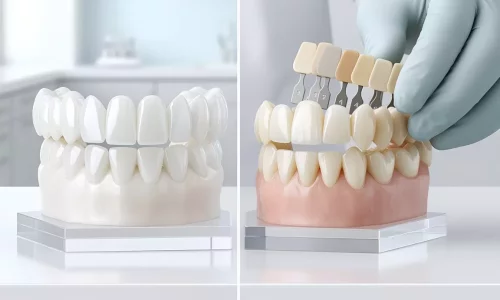
I have no teeth—is there still hope?" Yes! An Oral & Maxillofacial Surgeon provides a reassuring guide on achieving fixed teeth, even with severe bone loss, using advanced solutions like All-on-4, Zygomatic Implants, and bone grafting.

Milim Dental Hospital isn't just a clinic—it's where confident smiles begin. With a team of world-class specialists, advanced technology, and a patient-first approach, we turn dental care into a premium experience.
We prioritize hygiene, comfort, and tailor-made treatments designed just for you. Don’t just take our word for it—explore real stories from real patients.
Your perfect smile starts here. Join the Milim experience.

Milim Dental Hospital provides comprehensive dental services in a spacious 1,000 m² facility, supported by a wide team of dental professionals including specialists in Oral and Maxillofacial Surgery, Prosthodontics, Orthodontics, Pediatric Dentistry, and Periodontology.