
Zirconium treatment is one of the most frequently researched options by patients interested in aesthetic dentistry. Many people begin exploring this treatment because they want teeth that look whiter, more symmetrical, and better maintained. For some patients, the concern is discoloration in the front teeth, while for others it may be old restorations that appear artificial, shape irregularities, or imbalance within the smile line.
However, zirconium treatment should not be considered only as a cosmetic procedure. The current condition of the tooth structure, bite balance, gum health, and the patient’s long-term expectations must all be evaluated together before making the right decision. For this reason, treatment planning should not focus only on “looking good,” but also on functionality and biological compatibility.
In Türkiye, not only local patients interested in aesthetic dental treatment, but also international patients seek detailed information about zirconium treatment. One of the main reasons is the desire for a solution that offers a balance between natural appearance and durability. At Milim Dental, this approach is based on personalized planning according to facial structure, gum line, and existing oral health, rather than creating the same type of smile for every patient.
When considering zirconium treatment, patients often ask similar questions: “Will it look natural?”, “Is it suitable for everyone?”, “Will my teeth be reduced too much?”, and “Is maintenance difficult?” In this guide, we will address these commonly asked topics from the patient’s perspective in a simple yet technically accurate framework. Suitability for treatment should always be determined through a professional dental examination.
Zirconium treatment is a restorative dental approach used to improve both the aesthetics and function of the teeth. Zirconium-based or monolithic zirconium restorations may be considered in situations where both aesthetic appearance and durability are important, whether in the front or back teeth. Patients usually hear this treatment referred to as “zirconium crowns,” but proper planning involves much more than simply placing crowns — it is about determining which teeth require treatment and why.
One of the main reasons this treatment is popular is its ability to provide a more natural light translucency similar to natural teeth. Compared to older metal-supported restorations, zirconium can offer a more natural transition at the gum line, which many patients perceive as an aesthetic advantage. However, aesthetics alone are not enough; for zirconium restorations to be successful, preparation margins, bite relationship, and gum compatibility must also be carefully managed.
Zirconium treatment is not performed for the same reason in every case. In some patients, it is preferred mainly for aesthetic improvement, while in others it may be recommended to replace large existing restorations or provide more controlled structural support for weakened teeth. Therefore, the answer to the question “zirconium or another option?” should be based not only on patient preference, but also on the clinical condition of the teeth.
Zirconium treatment is commonly researched by patients who are dissatisfied with the color, shape, or appearance of their current restorations. Patients with dark-colored old crowns, aesthetic imbalance in the front teeth, or a smile they feel lacks harmony may be particularly interested in this option. Likewise, patients who are bothered by the dark appearance created by metal-supported restorations near the gum line often explore zirconium treatment.
For some patients, the need is more functional than cosmetic. Teeth weakened by large fillings, recurring fractures, or poor-fitting old restorations may lead to consideration of zirconium treatment. In such situations, while aesthetics remain important, the primary goal is often to create a healthier and more stable long-term condition for the tooth.
International patients traveling to Türkiye for dental care also frequently research zirconium treatment. Many are looking not only for aesthetic improvement but also for a well-organized treatment process. At Milim Dental, when evaluating these patients, the focus is not simply on achieving fast results, but on determining which teeth are truly suitable for zirconium restorations.
Zirconium treatment begins with a detailed examination. Tooth vitality, the condition of old fillings, gum health, smile line, and bite relationship are evaluated together. When necessary, radiographs, photographs, and impressions are taken so that the aesthetic plan is supported not only by visual judgment but also by clinical data.
One of the most important principles at this stage is avoiding automatic recommendation of zirconium for every tooth. In some patients, restoring only a few teeth may be sufficient, while others may require a more comprehensive plan. Likewise, for certain teeth, more conservative alternatives may be more appropriate than zirconium. Good planning also means avoiding unnecessarily extensive treatment.
During the preparation phase, the procedure is carried out carefully according to the current condition of the teeth. One of the most common questions patients ask is: “Will my teeth be reduced too much?” The answer is different for every patient. The amount of preparation depends on the tooth position, existing restorations, discoloration, and the desired aesthetic result. For this reason, standardized explanations often seen on social media do not always reflect real clinical planning.
In the next stage, impressions are taken and trial appointments are planned. If necessary, temporary restorations may be used to evaluate the patient’s aesthetic and functional adaptation. Especially in the front teeth, not only laboratory production but also facial harmony, speech, and lip support are considered. Successful zirconium treatment is not simply about creating white teeth — it is about building a smile composition suitable for the individual.
From the patient’s perspective, one of the most appealing advantages of zirconium treatment is its ability to combine aesthetics with durability. Many patients seek a cleaner, more natural-looking smile through this treatment. Particularly in the front teeth, the absence of metal reflections, balanced light translucency, and a more aesthetic gum line transition make zirconium an attractive option.
However, zirconium may not be the ideal solution for every aesthetic request. If the natural tooth structure is largely intact, more conservative restorative options may be more suitable for some patients. Similarly, treatment planning should be approached more carefully in patients with severe bite problems, intense teeth grinding habits, or compromised gum health. What matters most is not the popularity of the material, but whether it is truly appropriate for the patient.
A common misconception among patients is seeing zirconium as “the best and ideal option for everyone.” In reality, no single material can be considered universally superior in dentistry. A successful outcome depends not only on material selection, but also on preparation quality, impression accuracy, laboratory work, and the patient’s maintenance habits. Therefore, discussing both the advantages and limitations transparently is essential.
Patients researching zirconium treatment in Türkiye often try to balance cost, aesthetic appearance, and treatment duration. However, choosing treatment based only on price comparisons is not appropriate. Understanding why treatment is recommended for certain teeth, whether alternative options are explained, and how the final result is planned is just as important as the cost itself.
For patients traveling to Türkiye for dental tourism, treatment scheduling is especially important. Flight dates, trial appointments, whether temporary restorations are required, and the timeline for final delivery should all be clearly discussed in advance. Rushing aesthetic dental treatment may seem attractive in the short term, but can create long-term adaptation and satisfaction problems.
Cities like Bursa, which may offer a more controlled patient flow, can provide a more comfortable experience for some patients. At Milim Dental, zirconium treatment planning for both local and international patients includes not only the procedure day itself, but also detailed explanations regarding pre-treatment evaluation and post-treatment follow-up. This approach helps patients understand the process more realistically.
Once zirconium treatment is completed, maintenance becomes just as important as the aesthetic outcome. Some patients believe that new restorations mean they will no longer experience dental problems, but gum health and restoration margins still require long-term monitoring. Even a well-made restoration can develop problems over time if oral hygiene is neglected.
Daily care should include proper brushing, flossing, and keeping the gum line clean. In patients with multiple restorations, cleaning around the restoration margins and monitoring gum health become even more important. For patients with teeth grinding habits, protective night guards may be recommended when appropriate. These measures help protect not only the restorations but also the surrounding tissues.
For international patients, the maintenance plan should be clearly explained. Patients should know what to pay attention to after returning home and how to contact the clinic if unexpected sensitivity or adaptation issues occur. For this reason, at Milim Dental, post-treatment guidance is approached not simply as “treatment completed,” but as part of the long-term care process.
No, zirconium treatment is not automatically considered suitable for every patient. The condition of the tooth structure, gum health, bite relationship, teeth grinding habits, and level of aesthetic need must all be evaluated together. While zirconium may be an appropriate option for some patients, more conservative or alternative restorative approaches may be better for others. Final suitability should always be determined after a professional dental examination and necessary evaluations.
There is no single answer to this question. The amount of preparation required depends on the tooth position, presence of old restorations, degree of discoloration, and the targeted aesthetic result. Some teeth may require only minimal intervention, while others may need more comprehensive preparation. The goal is to create enough space for aesthetics and function without unnecessary removal of tooth structure. This assessment should always be individualized.
A natural appearance depends not only on the material itself, but also on the quality of planning and execution. In some patients, veneers may offer a more conservative and natural solution, while in others zirconium may provide better support and aesthetic balance. The most suitable treatment depends on tooth structure, color needs, bite relationship, and the desired outcome. For this reason, the decision should be made after clinical examination.
The duration of treatment depends on the number of teeth involved, the need for trial appointments, and the initial condition of the teeth. Some patients may complete the process more quickly, while others may require temporary restorations or additional adjustments. For international patients especially, flight and accommodation plans should be organized according to the treatment schedule. The exact timeline should always be determined individually after clinical evaluation.
Maintenance does not have to be difficult, but it does require consistency. Daily brushing, flossing, and keeping the gum line clean are important. In addition, regular dental check-ups help monitor restoration margins and the health of surrounding tissues. If additional risk factors such as teeth grinding are present, protective measures may be necessary. Neglecting maintenance after treatment can negatively affect both the aesthetic appearance and gum health.
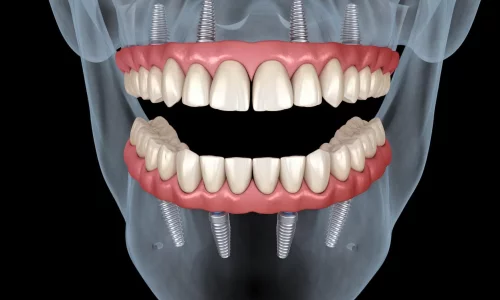
All-on-X offers unmatched flexibility in dental implant procedures, allowing for a customizable number of implants—ranging from 4 to 6 or more—based on individual needs. Ideal for complex cases, it provides enhanced stability, comfort, and a personalized treatment approach.
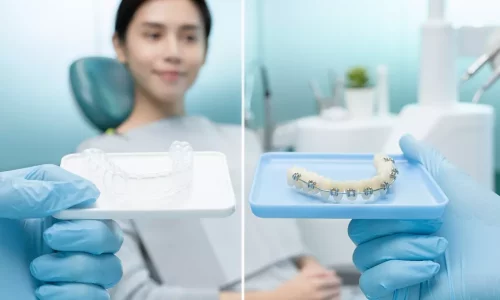
A guide explaining the factors that determine whether aligners or braces are the best option for your orthodontic treatment.
A complete Hollywood Smile guide for Turks living abroad. Discover how to plan your dental journey in Turkey for a perfect smile.

Milim Dental Hospital isn't just a clinic—it's where confident smiles begin. With a team of world-class specialists, advanced technology, and a patient-first approach, we turn dental care into a premium experience.
We prioritize hygiene, comfort, and tailor-made treatments designed just for you. Don’t just take our word for it—explore real stories from real patients.
Your perfect smile starts here. Join the Milim experience.

Milim Dental Hospital provides comprehensive dental services in a spacious 1,000 m² facility, supported by a wide team of dental professionals including specialists in Oral and Maxillofacial Surgery, Prosthodontics, Orthodontics, Pediatric Dentistry, and Periodontology.