English
Big Sale – Last Days for 20% Off!
362HOUR 29MINUTE 59SECOND
Why Is Invisalign Preferred Over Lingual Brackets?

Why Is Invisalign Preferred Over Lingual Brackets?

8 December Mon, 2025

Clear Aligner-Focused Approach from Orthodontic Specialist Dr. Begüm Ulaşan in Bursa

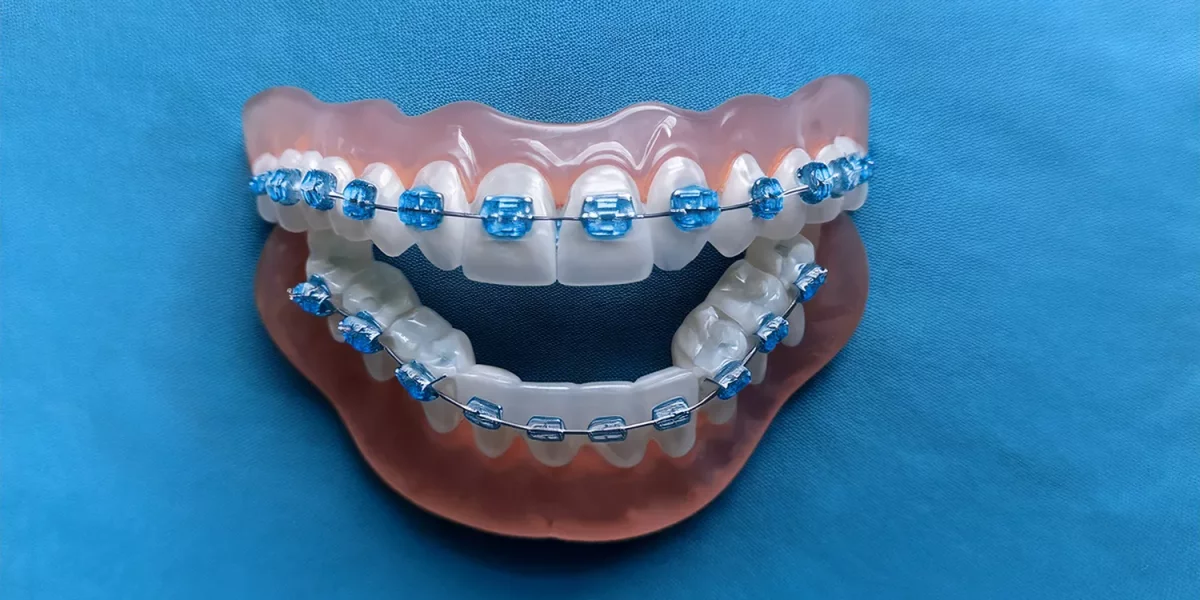
When most people think of orthodontic treatment, the first thing that comes to mind is classic metal braces. For patients with high aesthetic concerns, two main "invisible orthodontics" options have stood out for many years:

  1. Lingual Brackets (braces placed on the inner surface of the teeth)
  2. Clear Aligner Systems (especially Invisalign)

Today, many adult and young patients in Bursa visit the clinic asking for "invisible braces." However, in many cases, orthodontic specialist Dr. Begüm Ulaşan prefers Invisalign and other clear aligner treatments over lingual brackets.

Request a Free Treatment Plan from Our Expert Doctors

So, why is that?

Why does Dr. Begüm Ulaşan emphasize Invisalign clear aligners more than lingual bracket treatment for her adult and young patients in Bursa?

In this comprehensive article, we will address all of these points in detail and with SEO-friendly language:

  1. What are lingual brackets, and what are their pros and cons?
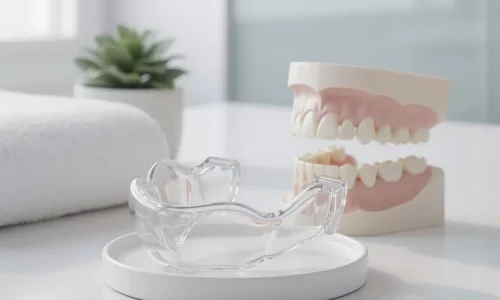
  2. What is Invisalign, and how does it work?
  3. Why does Dr. Begüm Ulaşan, in her clinical approach in Bursa, choose to use Invisalign more than lingual brackets?
  4. For which patient groups does Invisalign become a more logical option in terms of both clinical effectiveness and patient comfort?

1. What Are Lingual Brackets?

Lingual brackets utilize the same concept as classic braces treatment, but the brackets are bonded to the inner (tongue-side) surface of the teeth, not the front surface. This means:

  1. The braces are not visible from the outside.
  2. The brackets are on the surfaces facing the tongue.
  3. Teeth are still moved using metal wires and elastics.

For this reason, lingual systems have long been marketed as the "most invisible orthodontic method."

Theoretically, lingual brackets seem like a very appealing option for patients who:

  1. Have the highest aesthetic concerns,
  2. Say, "I don't want anyone to notice I'm wearing braces."

However, in clinical practices in Bursa, orthodontists like Dr. Begüm Ulaşan encounter significant practical disadvantages with lingual braces concerning patient comfort, treatment control, and daily workflow. This is why, when discussing invisible orthodontics today, Invisalign clear aligner treatments have begun to take precedence much more frequently.

2. What Are Invisalign and Clear Aligner Systems?

Invisalign is one of the world's best-known and most widely used brands of clear aligner treatment.

In this system:

  1. Your teeth are digitally scanned with intraoral scanners (classic putty impressions are often not necessary).
  2. A 3D model of your teeth is created in a computer environment.
  3. The orthodontic specialist (such as Dr. Begüm Ulaşan in Bursa) plans the desired final position of your teeth step-by-step digitally.
  4. Based on this plan, a series of clear, thin, removable aligners are produced.
  5. You wear each set of aligners for a certain period (usually 7–10 days) for 20–22 hours a day, and then move to the next aligner.

These aligners:

  1. Are almost invisible from the outside because they are clear.
  2. Provide great comfort when eating and brushing because they are removable.

Thus, Invisalign is an "invisible" orthodontic option, similar to lingual brackets, but its method of operation and the patient experience are quite different.

3. Lingual Brackets in Theory vs. Problems in Practice

Lingual brackets might look perfect on paper:

  1. Braces completely invisible from the outside.
  2. Fixed treatment (less compliance issue because the patient cannot remove them).
  3. Control similar to the logic of classic orthodontics.

However, in daily practice in Bursa, orthodontic specialists like Dr. Begüm Ulaşan face the following significant difficulties with lingual brackets:

3.1. Speech Impairment and Tongue Irritation

Because the brackets are on the tongue side of the teeth:

  1. The tongue rubs against the brackets for the first few weeks, and often the first few months, in most patients.
  2. This can cause sores, irritation, sensitivity, and serious discomfort on the tongue.
  3. It can lead to distortion in the pronunciation of some letters, lisping, or strangeness in sounds.

This situation can make the treatment psychologically very challenging, especially for professionals who must constantly speak, such as:

  1. Teachers
  2. Lawyers
  3. Presenters
  4. Sales representatives
  5. Corporate employees who frequently take phone/Zoom calls

Dr. Begüm Ulaşan in Bursa has witnessed multiple times that the experience with lingual brackets in these professional groups is often "more uncomfortable than expected," whereas Invisalign clear aligners affect speech much less. Therefore, she practically prefers Invisalign.

3.2. Difficulty with Cleaning and Hygiene

Because the brackets are on the inner surface of the teeth:

  1. It is difficult to clean without seeing with a brush.
  2. A more risky environment can arise for plaque accumulation, tartar, and gum problems.

Cleaning lingual brackets is especially cumbersome for adults who are already busy and can only dedicate limited time to oral care.

However, with clear aligner treatments like Invisalign:

  1. The aligners can be removed, and the teeth can be brushed normally.
  2. The aligners themselves can also be brushed and cleaned.
  3. Supports like interdental brushes and dental floss can be used much more easily.

This is a major advantage for the long-term gum health of adults undergoing orthodontic treatment in Bursa.

3.3. Treatment Duration, Control Difficulty, and Technical Challenges

Lingual systems:

  1. Can be technically more complicated and exhausting for the clinician.
  2. Accessing the brackets, making adjustments, and changing wires require more time and effort during the monthly control sessions.
  3. Control over movements such as space closure and rotation can be more difficult than with labial (front surface) systems.

In contrast, with Invisalign and similar clear aligner systems:

  1. Movements are planned digitally from the outset.
  2. It is predictable which tooth will move how much in which aligner.
  3. Controls often involve "clinical follow-up and progress check of the aligners" rather than fine-tuning.

In the busy clinical tempo in Bursa, Dr. Begüm Ulaşan prefers digital planning-based Invisalign clear aligners over lingual brackets in many cases to optimize both her own workflow and patient appointment times.

4. Advantages of Invisalign Over Lingual Brackets

(From Dr. Begüm Ulaşan's Clinical Approach)

Let's summarize why Dr. Begüm Ulaşan in Bursa predominantly uses Invisalign clear aligner treatment instead of lingual brackets.

4.1. Aesthetics: Both are invisible, but Invisalign is more "naturally invisible"

Both systems are in the "invisible orthodontics" category:

  1. Lingual Brackets: Wires are entirely behind the teeth, meaning they are invisible from the outside.
  2. Invisalign: Aligners are clear, only noticeable upon very close inspection.

However, in daily life:

  1. Your teeth look natural when smiling, even with Invisalign aligners on.
  2. While lingual braces might seem appealing because no metal parts are visible, for some patients, regret can begin when they experience speech problems.

Many adults in Bursa prefer a clear and simple appearance over hearing the question, "Is something wrong with your mouth?" from their work and social circles. Therefore, Dr. Begüm Ulaşan places Invisalign one step ahead in the balance of invisibility + natural appearance.

4.2. Comfort: Comfortable Clear Aligners Instead of Tongue Sores

  1. With lingual brackets, the tongue constantly bumps into the brackets.
  2. This leads to severe tongue sores, irritation, and difficulty speaking, especially in the first few weeks.

With Invisalign:

  1. The edges of the aligners are smooth and rounded.
  2. Although there may be a slight feeling of "fullness" in the first few days, there are no tongue sores or sharp metal surfaces.
  3. Adaptation to speech is much faster.

Therefore, Dr. Begüm Ulaşan states in her comfort-focused approach: "Invisalign treatment offers a more comfortable process for the patient, both clinically and psychologically, compared to lingual brackets."

4.3. Hygiene and Gum Health: Invisalign is Far Ahead

Throughout orthodontic treatment:

  1. In adults who do not brush well, do not pay attention to interdental cleaning, or already have gum sensitivity,
  2. Fixed bracket systems can increase the risk of serious gingivitis and periodontitis.

With lingual brackets:

  1. The inner surfaces of the teeth are the hardest areas to visually check and clean.
  2. It is difficult to use the toothbrush and interdental brush at the correct angle.

In Invisalign clear aligner treatment:

  1. Aligners are removed, teeth are brushed directly, and dental floss is easily used.
  2. The aligners are also brushed or cleaned with special solutions.

Therefore, for adults in Bursa who want to preserve their gum health, Dr. Begüm Ulaşan finds Invisalign much safer and more sustainable than lingual brackets.

4.4. Freedom in Diet: Controlled Freedom Instead of Restricted Foods

With lingual brackets (and fixed braces in general):

  1. Hard-shelled foods, nuts, and hard foods bitten into are risky.
  2. Problems like bracket breakage and wire bending are common.

With Invisalign:

  1. Aligners are removed when eating.
  2. Theoretically, you can eat anything (although extremely hard/ice, etc., is always risky for teeth).
  3. Brushing teeth before putting the aligners back on is recommended.

This is a very serious comfort advantage for adults with a busy work pace in Bursa. Many business people, managers, and professionals prefer clear aligner treatment over lingual for this reason.

4.5. Digital Planning and Predictability

In Invisalign and modern aligner systems:

  1. A digital simulation can be prepared before the treatment starts.
  2. The final position the teeth will take, and the changes in intermediate stages can be viewed on the screen.
  3. The patient gets a clearer answer to the question, "How will my teeth look when the treatment is finished?"

With lingual brackets:

  1. The orthodontic specialist certainly predicts the result, but the process is more abstract for the patient.
  2. Even if simulation is possible, it is not as commonly used in daily practice as with aligner systems.

Dr. Begüm Ulaşan in Bursa uses the digital planning capability of Invisalign as a major advantage in both patient communication and her own clinical decision-making processes, which is a significant factor in her preference for Invisalign over lingual brackets.

4.6. Clinical Efficiency and Appointment Times

Lingual brackets:

  1. Require the clinician to make complex adjustments in a narrow area inside the mouth, managing the tongue and saliva, during every check-up session.
  2. Appointments can take longer.

Invisalign:

  1. In most check-ups, only progress is evaluated, and aligner fit and patient discipline are discussed.
  2. If necessary, a new set of aligners is given, and small attachment (composite bumps) adjustments are made.
  3. Appointment times are generally shorter.

This makes Invisalign a more efficient option for both busy patients in Bursa and Dr. Begüm Ulaşan's clinical workflow.

5. For Which Patients Might Lingual Brackets Still Be an Option?

For all these reasons, while Dr. Begüm Ulaşan routinely prefers Invisalign and other clear aligner systems over lingual brackets, there are still some specific patient profiles for whom lingual brackets might theoretically be considered:

  1. Patients who do not trust themselves to be compliant with the aligner system, who believe the take-out/put-in system is not suitable for them, but still want an invisible treatment.
  2. Special cases where specific tooth movements are believed to be better managed with the lingual system due to specific indications.

However, even these situations are not applicable to every case. As modern aligner technologies (especially Invisalign) are increasingly used even in challenging cases, the need for lingual brackets decreases slightly every year.

In her own clinical practice in Bursa, Dr. Begüm Ulaşan:

  1. Compares the practical disadvantages of lingual brackets with the advantages of patient comfort and clinical control offered by Invisalign;
  2. Chooses to offer Invisalign clear aligners as the first option to most patients seeking invisible treatment.

6. Roadmap in Bursa for Patients Considering Invisalign Treatment

If you are thinking:

  1. "I want invisible orthodontics,"
  2. "Which is right for me: lingual brackets or Invisalign?"

An orthodontic examination with Dr. Begüm Ulaşan in Bursa will include the following steps:

  1. Detailed Examination and X-ray: Your teeth, jaw relationships, and bite are analyzed.
  2. Introduction to Treatment Options: Classic braces, aesthetic brackets, Invisalign, and other aligner options are explained, along with their pros and cons.
  3. Evaluation of Your Lifestyle: Your profession, social life, hygiene discipline, and budget are considered.
  4. Lingual vs. Invisalign Comparison: It is honestly discussed which option—lingual brackets or Invisalign—is practical for your specific case.

In most adult and young patients, when all these factors are combined, it usually emerges that Invisalign or similar clear aligner systems are more logical than lingual brackets.

Conclusion: Why Does Dr. Begüm Ulaşan Prefer Invisalign Over Lingual Brackets?

To summarize briefly:

  1. Although both are invisible orthodontic options,
  2. Lingual brackets can be challenging for most patients in practice due to speech issues, tongue irritation, hygiene, and clinical difficulties.
  3. Invisalign clear aligner treatment offers an option that is:
  4. Aesthetically natural,
  5. Comfortable,
  6. Hygienic,
  7. Predictable with digital planning,
  8. More efficient in terms of appointment processes.

Therefore, Orthodontic Specialist Dr. Begüm Ulaşan in Bursa, under the roof of Milim Dental, mostly prefers to apply Invisalign and other clear aligner systems over lingual brackets for patients requesting invisible braces.

If you are thinking, "Which is right for me: lingual brackets or Invisalign?" the healthiest step is to get an orthodontic examination in Bursa to receive a personalized evaluation based on your tooth structure, jaw relationships, and lifestyle.

This way, you can decide together on the most suitable, truly sustainable, and satisfying treatment method for you, considering aesthetics, comfort, and health.


Category: Orthodontics

A Milim
Makes a Big Difference

Milim Dental Hospital is the first dental centre to receive the "Health Tourism Authorisation Certificate" issued by the Ministry of Health of the Republic of Turkey.
All Articles
Common Myths and Misconceptions About Toothache
east

Toothache is a common oral health issue that can occur at any age. There are many causes behind tooth pain, and accordingly, multiple treatment approaches may be required. To quickly relieve tooth pain and restore oral health, it is essential to be examined by a qualified dentist.

Does a jaw dislocate during tooth extraction? Risks and facts from an oral surgeon’s perspective in Bursa
east

“Can my jaw dislocate while having a tooth removed?” This question is very common among patients in Bursa, especially before difficult extractions, wisdom tooth surgery, or long appointments. Stories circulating online and exaggerated claims on social media often make this fear seem bigger than it actually is.

Hollywood Smile Makeover: More Than Just Aesthetic
east

A Hollywood Smile is more than white teeth—it's a custom-designed transformation. Milim International blends advanced tech with aesthetic mastery to craft natural, symmetrical smiles that boost confidence and leave you photo-ready.

Why Patients
Choose Milim?

Milim Dental Hospital isn't just a clinic—it's where confident smiles begin. With a team of world-class specialists, advanced technology, and a patient-first approach, we turn dental care into a premium experience.
We prioritize hygiene, comfort, and tailor-made treatments designed just for you. Don’t just take our word for it—explore real stories from real patients.
Your perfect smile starts here. Join the Milim experience.
View All Experiences
play_arrow
Dt. İsmail Özkısaoğlu Dentist
Get a Free Consultation
play_arrow
Dr. Dt. Ali Direnç Ulaşan Oral, Dental, Maxillofacial Surgeon
Get a Free Consultation
play_arrow
Dr. Dt. Ali Direnç Ulaşan Oral, Dental, Maxillofacial Surgeon
Get a Free Consultation

Milim Dental Hospital provides comprehensive dental services in a spacious 1,000 m² facility, supported by a wide team of dental professionals including specialists in Oral and Maxillofacial Surgery, Prosthodontics, Orthodontics, Pediatric Dentistry, and Periodontology.

Our clinic is authorized by the Turkish Ministry of Health for International Health Tourism. This website is intended only for informing patients from abroad. It does not contain advertisements and complies with legal privacy regulations.
Milim Dental Hospital © 2025 - All rights reserved.

Have a Question on Your Mind?

At Milim Dental Hospital, we accept a maximum of 10 international patients per month. This allows us to provide each patient with personalized care and the highest quality of treatment. Let us know how we can help you!

Would you like to see real patient results? Feel free to explore our Case Gallery!

English
Big Sale – Last Days for 20% Off!