(All-on-4, All-on-6, Straumann, Nobel, Megagen, Medentika, Osstem)
When patients search for “dental implant failure,” “All-on-4 problems,” “Straumann vs Nobel vs Megagen,” “Osstem implant success rate” they are usually worried about one main question:
“How can I be sure my dental implants will last for many years?”
In this article, we will explain in clear language what implant failure means, which factors increase or decrease this risk, and what we do step by step to keep the failure rate as low as possible. Along the way, we will also talk about popular implant concepts like All-on-4, All-on-6 and well-known implant brands such as Straumann, Nobel, Megagen, Medentika, and Osstem.
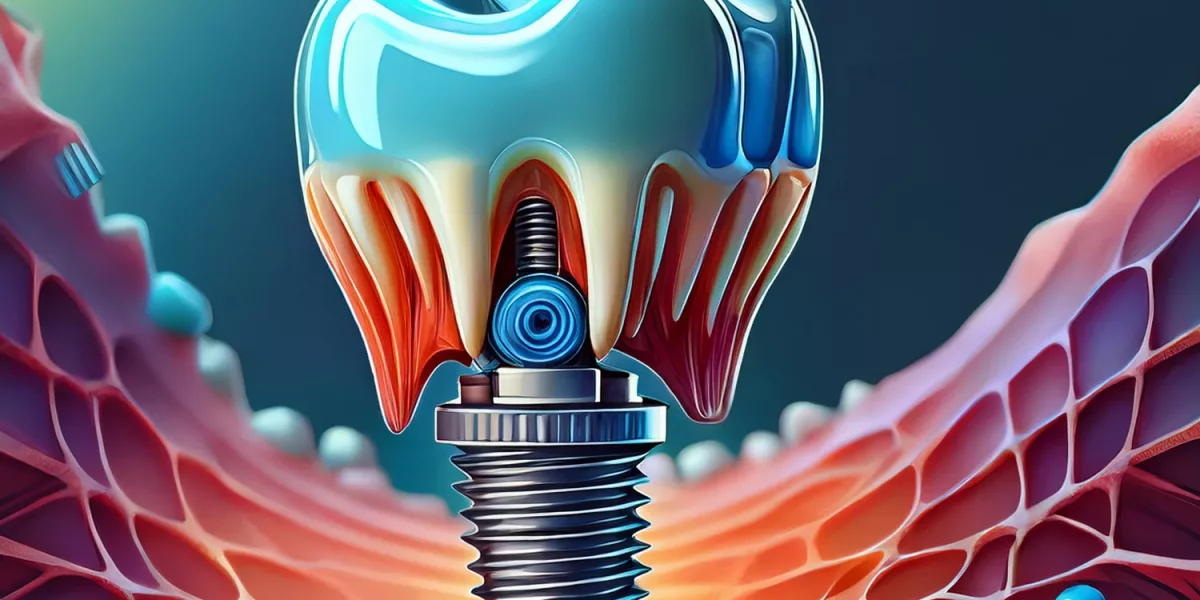
A dental implant is a small titanium “root” placed into the jawbone. After surgery, the bone grows around the implant and creates a strong connection. This process is called osseointegration.
Implant failure means that this connection never forms properly or is lost later. The implant becomes unstable, painful, or infected and may need to be removed.
Typical signs and symptoms of a failing implant include:
Persistent or increasing pain around the implant
Mobility (the implant or crown feels loose)
Swelling, redness or pus around the gum
X-ray showing progressive bone loss around the implant neck
Our goal as a clinic is to make sure that every stage – from planning to surgery to prosthetic design and long-term maintenance – is optimized to keep the risk of dental implant failure as low as possible.
The real secret of a high dental implant success rate is proper planning before we ever touch the bone.
Before placing any implant, we perform a detailed examination:
Full clinical examination of the mouth, bite and soft tissues
Panoramic X-ray for general overview
CBCT (3D cone beam CT) to evaluate:
Bone height and width
Bone density
Location of critical structures (nerves, sinus, nasal cavity)
For complex cases like full-arch restorations (All-on-4, All-on-6), CBCT-based planning is essential. It allows us to:
Choose the ideal implant length, diameter and position
Avoid anatomical structures like the sinus and nerve
Decide whether we need additional procedures like sinus lift or bone grafting
Simulate the final prosthetic result before surgery
By using digital planning tools together with high-quality implants such as Straumann, Nobel, Megagen, Medentika, or Osstem, we significantly reduce the risk of technical and biological complications.
Many patients ask:
“Which implant brand is the best? Straumann? Nobel? Megagen? Medentika? Osstem?”
The honest answer is that no brand can guarantee 100% success, but some systems have:
Strong scientific background
Long-term clinical studies
Advanced surface technology
Stable connections and high precision
These features contribute to a lower risk of implant failure when used correctly.
Known worldwide as a premium implant brand
Advanced surface technologies designed to speed up osseointegration
Strong scientific documentation and long-term follow-up studies
Pioneer of the All-on-4 concept
Full system covering implants, multi-unit abutments, guided surgery and prosthetic components
Widely used in full-arch cases where immediate function is planned
Especially popular with the AnyRidge line, which offers:
Aggressive thread design for high primary stability
Good performance in soft bone
Frequently used in immediate loading and All-on-4 / All-on-6 cases
Known for compatible components and cost–effective implant systems
SLA-type surface with reliable integration properties
Often chosen for multiple implant cases where quality and affordability must be balanced
One of the most widely used implant systems globally
Broad product range suitable for different bone qualities
Good clinical performance with competitive pricing, making full-arch treatments more accessible
Important:
A high-quality implant system like Straumann, Nobel, Megagen, Medentika or Osstem is an important part of success, but the surgeon’s knowledge, planning, surgical technique and prosthetic design are just as critical.
For patients who have no teeth or need all their teeth removed, concepts like All-on-4 and All-on-6 allow us to restore an entire jaw with a fixed bridge supported by 4 or 6 implants.
All-on-4 and All-on-6 are not “one size fits all” solutions. Before recommending these treatments, we evaluate:
General health (diabetes, osteoporosis, immune problems, etc.)
Smoking habits
Bone quality and volume
Bite forces and habits (clenching or grinding)
In borderline or extremely resorbed cases, we may consider other options such as zygomatic implants or staged bone grafting to avoid an unacceptable risk of implant failure.
In a classical All-on-4:
Two front implants are placed vertically
Two posterior implants are tilted (30–45 degrees) to avoid sinuses or nerves and to create a larger prosthetic support polygon
In All-on-6, we add two more implants to distribute forces even more safely.
Key goals:
Minimize cantilever length
Spread the chewing forces across all implants
Keep forces as axial as possible
This careful distribution significantly lowers the stress on each implant and therefore lowers the risk of mechanical or biological failure over time.
Many full-arch patients receive fixed temporary teeth on the same day. This is called immediate loading. It is attractive for comfort and aesthetics, but it must be done under strict conditions:
Each implant should reach sufficient primary stability (often ≥ 35 Ncm torque)
The temporary prosthesis must be designed to reduce excessive loading (no heavy chewing on the first weeks)
The bite must be carefully adjusted to avoid early overloading
By respecting these principles, we can offer immediate teeth while still keeping a very low risk of failure.
Even with perfect planning and strong brands, poor surgical technique can cause implant failure. We follow strict protocols to protect the bone and soft tissues.
We use sharp drills, appropriate speeds and abundant sterile irrigation
The goal is to prevent the bone from overheating (over 47°C can damage bone cells)
We carefully control insertion torque to achieve stability without crushing the bone
Infection is a major cause of early implant failure. To prevent this:
We respect all surgical sterilization protocols
When indicated, we use prophylactic antibiotics
We give clear post-operative instructions to the patient about mouthwash, medication and smoking restrictions
Healthy gums around an implant are as important as healthy bone.
We design flaps and sutures to achieve good soft tissue closure around the neck of the implant
When necessary, we use techniques or grafts to increase the band of keratinized gingiva
This creates a better biological seal and lowers the risk of peri-implantitis later
An implant can integrate perfectly, but if the crown or bridge design is wrong, complications are almost guaranteed.
We adjust the bite carefully to avoid high spots on implant crowns
For patients who grind or clench, we often recommend a night guard
In All-on-4 and All-on-6, we control the length of cantilevers and design the occlusion to spread the forces evenly
Too much force on a single implant can lead to:
Screw loosening
Fracture of the prosthesis
Progressive bone loss and eventual implant failure
We work with different materials such as:
Zirconia bridges
Metal–ceramic restorations
Hybrid (metal + acrylic) prostheses
For full-arch cases, we usually prefer screw-retained restorations because:
They can be removed for professional cleaning and maintenance
There is no risk of excess cement being trapped under the gum (which can cause peri-implantitis)
The combination of correct implant–abutment connection (e.g. conical connections from major brands like Straumann, Nobel, Megagen, Medentika, Osstem) and a well-designed prosthesis is essential for long-term stability.
The general health of the patient has a direct effect on implant success.
We always review:
Diabetes: poorly controlled diabetes increases infection risk and slows healing
Osteoporosis and bisphosphonate therapy
Autoimmune diseases and long-term steroid use
Past radiotherapy to the jaw area
Smoking is another major factor. Heavy smokers have a higher rate of implant failure and bone loss. For this reason, we strongly encourage patients to stop or reduce smoking before and after surgery.
Even the best planning, the best surgeon and the best implant brand cannot replace good daily oral hygiene.
We teach every implant patient how to clean their implants and bridges:
Brushing at least twice a day with a soft toothbrush
Use of interdental brushes or superfloss under bridges and around implants
In some cases, additional mouth rinses for a limited period
This is especially important for full-arch All-on-4 and All-on-6 prostheses, where food can accumulate under the bridge if not cleaned properly.
Long-term success depends on regular professional maintenance:
Clinical check-ups every 3–12 months (depending on the case)
Professional cleaning of implants and prostheses
Periodic X-rays to monitor bone levels around the implants
These visits allow us to detect early problems such as small areas of inflammation, minor screw loosening or beginning bone loss before they become serious failures.
For healthy patients treated with proper planning and protocol, modern dental implants from brands like Straumann, Nobel, Megagen, Medentika and Osstem can reach very high long-term success rates. However, exact percentages depend on:
Patient health and habits
Jaw (upper vs lower) and bone quality
Type of restoration (single crown vs full arch)
Surgeon’s experience and follow-up
Yes, any treatment can fail if it is poorly planned or badly executed, or if the patient does not follow instructions. However, with:
Careful case selection
High primary stability
Correct prosthetic design
Good hygiene and regular check-ups
All-on-4 and All-on-6 can provide very predictable and long-lasting results.
To minimize the risk of dental implant failure, we combine:
Thorough diagnosis and digital planning (including CBCT)
Careful selection of treatment concept (single implant, bridge, All-on-4, All-on-6, etc.)
Use of high-quality implant systems such as Straumann, Nobel, Megagen, Medentika and Osstem
Gentle, sterile and precise surgical technique
Scientifically based prosthetic design and occlusal adjustment
Close attention to systemic health and risk factors like smoking or diabetes
Detailed patient education about home care
Regular professional maintenance and monitoring
When all these elements work together, the probability of implant failure becomes extremely low, and patients can enjoy strong, stable and aesthetic teeth for many years—whether it is a single crown, a small bridge or a full-arch All-on-4 / All-on-6 smile makeover.
Caring for patients with disabilities in oral and maxillofacial surgery. Learn about anxiety management, anesthesia protocols, creating a comfortable surgical environment, and personalized treatment approaches for patients with intellectual, physical, or developmental disabilities.
What drives Hollywood Smile pricing? Explore the key factors, from veneer types to treatments, that affect your budget.
Discover the advancements that make modern subperiosteal implants more reliable than earlier versions.
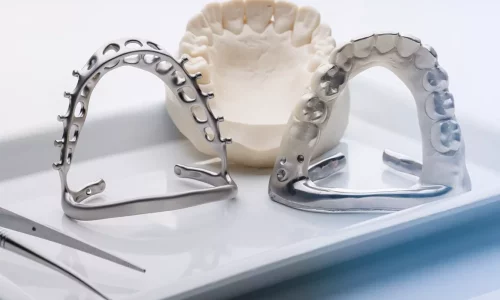
Milim Dental Hospital isn't just a clinic—it's where confident smiles begin. With a team of world-class specialists, advanced technology, and a patient-first approach, we turn dental care into a premium experience.
We prioritize hygiene, comfort, and tailor-made treatments designed just for you. Don’t just take our word for it—explore real stories from real patients.
Your perfect smile starts here. Join the Milim experience.

Milim Dental Hospital provides comprehensive dental services in a spacious 1,000 m² facility, supported by a wide team of dental professionals including specialists in Oral and Maxillofacial Surgery, Prosthodontics, Orthodontics, Pediatric Dentistry, and Periodontology.