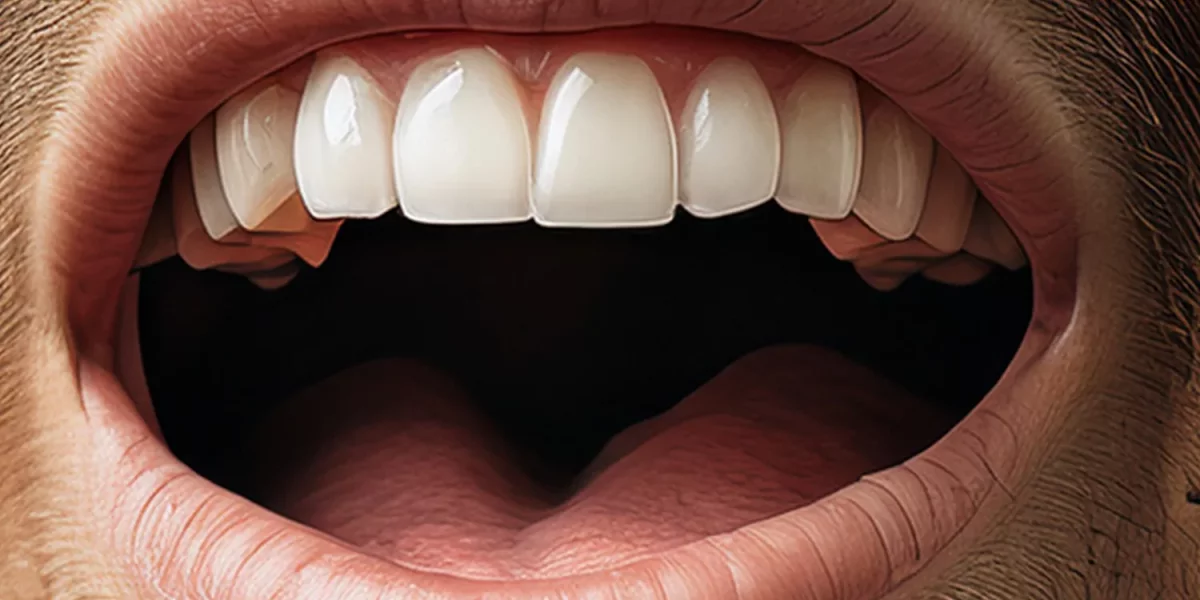
A healthy mouth is naturally moist. Saliva constantly bathes your teeth, neutralises acids, and washes away food particles. When saliva is reduced – a condition known as dry mouth (xerostomia) – your risk of cavities, bad breath and oral infections increases dramatically.
Many patients at Milim Dental Bursa are surprised to learn that their frequent cavities, bad breath and even problems with dentures are linked to dry mouth. This article explains why saliva is so important, what causes dry mouth, and how we can protect your teeth with the right treatments and home-care strategies.
1. Why Saliva Is Essential for Oral Health
Saliva is not just water. It contains:
Minerals (calcium, phosphate, fluoride) that help remineralise enamel
Buffers that neutralise acids produced by bacteria
Enzymes that start digestion
Antibacterial components that control harmful microorganisms
When saliva flow is normal, it helps:
Prevent cavities
Reduce plaque build-up
Keep the mouth comfortable and lubricated
Limit bad breath
In a dry mouth, all these protective functions are weakened.
2. Common Causes of Dry Mouth
Dry mouth can have many causes, including:
Medications: blood pressure pills, antidepressants, antihistamines, painkillers and others
Medical conditions: diabetes, Sjögren’s syndrome, autoimmune diseases
Cancer treatments: radiation therapy to the head and neck area
Mouth breathing: often due to nasal problems or habits
Dehydration and lifestyle: insufficient fluid intake, excessive caffeine or alcohol
At Milim Dental Bursa, we always ask about your general health and medications when dry mouth is suspected. Understanding the cause helps us design an effective plan.
3. How Dry Mouth Increases Cavities and Tooth Damage
In a dry mouth, there is less saliva to:
Wash away food debris and sugars
Neutralise acids produced by bacteria
Deliver minerals that repair early enamel damage
This leads to:
More cavities, often at the necks of teeth or between them
Faster progression of decay, sometimes requiring root canal treatment or extractions earlier than expected
Increased risk of tooth structure breaking down or fillings failing
We often see patients in Bursa with multiple new cavities every year, despite brushing regularly. Once we identify their dry mouth, we can finally address the real problem.
4. Dry Mouth and Bad Breath
Without enough saliva, bacteria and food residues stay longer on:
Teeth and gums
Tongue surface
Dentures or appliances
This environment encourages the growth of bacteria that produce volatile sulfur compounds – the main cause of chronic bad breath.
Typical signs include:
Thick, stringy saliva
Burning mouth sensation
Difficulty swallowing dry foods
Waking at night with a very dry mouth
At Milim Dental Bursa, we combine:
Tongue cleaning instruction
Gum and tooth treatment
Dry mouth management strategies
to address halitosis from multiple angles.
5. Managing Dry Mouth: What You Can Do
While we cannot always cure dry mouth, we can usually improve comfort and reduce its impact on your teeth. Helpful strategies include:
Hydration: Sip water frequently throughout the day.
Sugar-free chewing gum: Stimulates saliva flow (choose xylitol if possible, which also helps fight cavity-causing bacteria).
Avoiding irritants: Tobacco, very spicy foods, and high-alcohol mouthwashes can worsen dryness.
Humidifying your bedroom: Helps if mouth breathing at night is an issue.
We may also recommend saliva substitutes or gels, especially at night, to keep tissues more comfortable.
6. Professional Protection for Teeth in Dry Mouth Patients
Because your natural protection is reduced, teeth need extra help. At Milim Dental Bursa, we often use:
High-fluoride toothpaste or gels to strengthen enamel
Fluoride varnish applications during check-ups
Sealants or protective fillings on vulnerable root surfaces
Careful design and polishing of fillings to make them easier to clean
If decay has already reached the nerve in very dry mouth patients, root canal treatment can still save the tooth, but additional fluoride and close monitoring are essential to protect surrounding teeth.
7. Toothbrushes, Toothpastes and Oil Pulling in Dry Mouth
For dry mouth patients we usually recommend:
Soft toothbrushes to avoid damaging fragile gums and exposed roots.
Fluoride toothpaste with added ingredients for sensitivity if needed.
Gentle tongue cleaning to reduce bacteria but avoid trauma.
Oil pulling may feel soothing, but it does not replace fluoride protection. It can be used as an optional step before brushing, but never as a substitute for it.
8. Dentures and Dry Mouth
If you wear partial or full dentures, dry mouth can cause:
Poor suction and retention
Friction sores and ulcers
Increased risk of fungal infections (candidiasis)
At Milim Dental Bursa, we:
Check the fit of your dentures and adjust or reline them if needed
Teach careful cleaning of dentures and tongue
Sometimes prescribe antifungal medication if indicated
We also work with you to moisturise the mouth and use specific products to improve comfort under the denture base.
9. Why Regular Check-Ups Are Even More Important with Dry Mouth
Because decay progresses faster in dry mouth, skipping check-ups can be especially dangerous. Regular visits to Milim Dental Bursa allow us to:
Catch new cavities when they are still small enough for simple fillings
Monitor the condition of existing fillings, crowns and root canal treated teeth
Reinforce fluoride and protective measures
Adjust your home-care routine as needed
With the right combination of professional care and daily strategies, many dry mouth patients maintain their teeth successfully for many years.
10. Take-Home Message
Dry mouth is not “just uncomfortable”; it is a major risk factor for:
Multiple cavities
Tooth fractures and loss of tooth structure
Bad breath
Painful mouth infections
At Milim Dental Bursa, we take xerostomia seriously. By understanding the cause, adjusting your brushing and toothpaste, using fluoride strategically, and treating problems early with fillings or root canal when necessary, we can help you protect your smile even when nature’s best defence – saliva – is not fully available.
You do not have to face dry mouth alone. With a personalised plan, your teeth can still be strong, your breath fresh and your mouth comfortable.
A guide explaining how to evaluate orthodontic offers for aligners versus braces to make an informed choice.
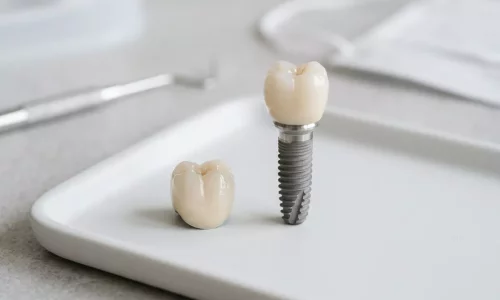
If I get implants, will my teeth be fixed (non-removable)? Compare fixed solutions (crowns, bridges) against removable implant-supported dentures and discover which permanent, functional dental implant restoration is best suited for your needs.
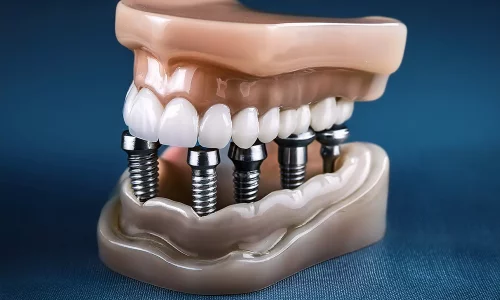
Discover the differences between dental implants and crowns to see which treatment best restores your smile's strength and look.
Milim Dental Hospital isn't just a clinic—it's where confident smiles begin. With a team of world-class specialists, advanced technology, and a patient-first approach, we turn dental care into a premium experience.
We prioritize hygiene, comfort, and tailor-made treatments designed just for you. Don’t just take our word for it—explore real stories from real patients.
Your perfect smile starts here. Join the Milim experience.

Milim Dental Hospital provides comprehensive dental services in a spacious 1,000 m² facility, supported by a wide team of dental professionals including specialists in Oral and Maxillofacial Surgery, Prosthodontics, Orthodontics, Pediatric Dentistry, and Periodontology.