All-on-4 implant treatment is one of the most frequently researched options, especially among patients who have extensive tooth loss or whose existing teeth can no longer be preserved long term. Many patients become interested in this treatment because they do not want to continue living with removable dentures or because they are seeking a more stable and secure chewing experience. However, this treatment requires far more planning than simply “placing four implants and attaching teeth.”
For many patients, the main questions are: “Am I suitable for this treatment, how long will the process take, and how will the result affect my daily life?” The answers are not the same for everyone, because jawbone volume, gum health, existing infections, general health condition, and bite structure directly influence the treatment plan. For this reason, All-on-4 implant treatment should always be planned individually following a dental examination and radiological evaluation.
In addition to local patients researching implant treatment in Türkiye, international patients traveling for health tourism also show significant interest in this method. One of the main reasons is the search for a full-arch rehabilitation process that can be planned within a shorter timeframe while still requiring detailed evaluation. At Milim Dental, this approach is not considered only a surgical procedure, but a comprehensive treatment process involving examination, imaging, temporary prosthetics, healing, and final restoration stages.
All-on-4 implant treatment refers to planning a fixed prosthesis supported by four implants placed in specific areas of a fully or nearly edentulous jaw. The main purpose of this approach is to create a functionally and aesthetically balanced fixed restoration using a more limited number of implants in suitable cases. Especially in some patients with limited bone volume in the posterior regions, placing implants at specific angles may become an important part of the treatment plan.
This system is not simply “replacing missing teeth” as many patients initially assume. It also involves evaluating how chewing forces will be distributed, how suitable the prosthesis will be for cleaning, and how soft tissue support will be managed. In other words, successful All-on-4 planning depends not only on the number of implants but also on establishing the correct balance between surgical and prosthetic principles.
Some patients begin researching this method after hearing expressions such as “new teeth in one day.” However, not every case progresses at the same speed, and the same protocol is not applied to every patient. The timing of temporary teeth placement, final prosthesis planning, and the management of the healing period can only be determined after clinical evaluation.
All-on-4 implant treatment may be considered for patients with severe tooth loss or for those whose existing teeth cannot be preserved due to widespread decay, advanced bone loss, or functional problems. Patients who have used removable dentures for a long time and complain about looseness, discomfort, or difficulty chewing may also show interest in this option. However, simply wanting the treatment does not automatically mean the patient is a suitable candidate.
When evaluating suitability, factors such as jawbone volume, gum health, oral hygiene habits, smoking, and systemic diseases are important. Treatment planning should be approached more carefully in patients with uncontrolled diabetes, active periodontal disease, or severe teeth grinding habits. While four implants may be sufficient in some patients, others may require different implant numbers or alternative treatment plans.
Patient expectations are also a key factor during this stage. Some individuals focus mainly on aesthetic improvement, while others primarily want more comfortable chewing and a prosthesis that feels more stable in the mouth. At Milim Dental, evaluation includes not only the patient’s aesthetic expectations but also their ability to maintain long-term care and follow-up routines.
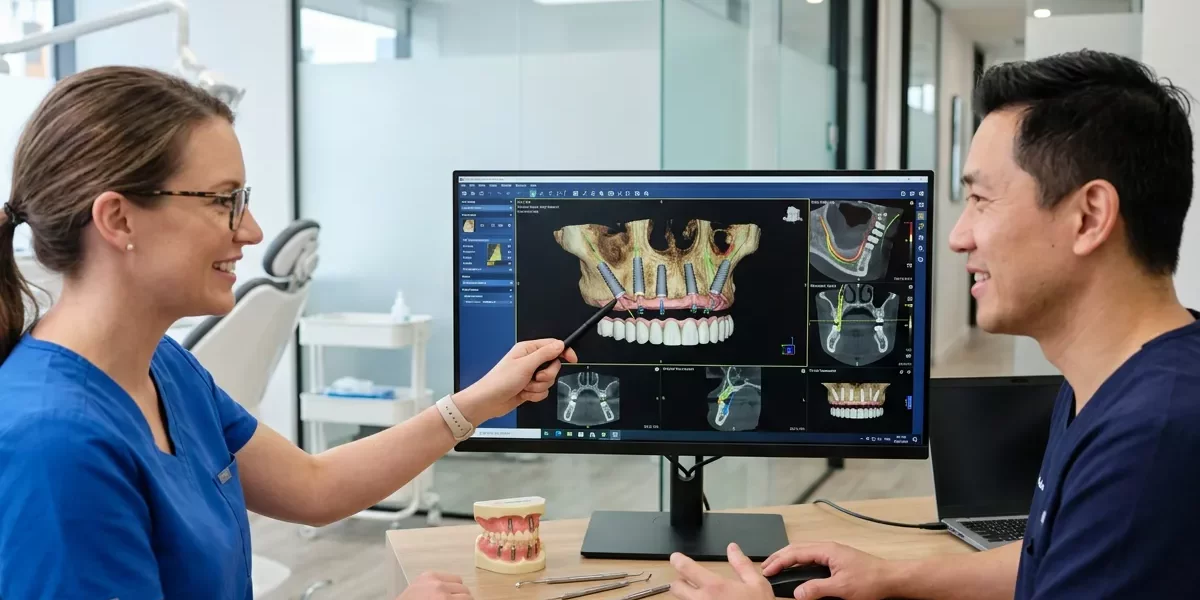
All-on-4 implant treatment generally begins with a detailed examination and imaging process. At this stage, panoramic X-rays, and in most cases tomography, are used alongside clinical evaluation to determine bone levels, anatomical boundaries, and suitable areas for prosthetic planning. In many cases, the most important part of treatment is not the operation day itself, but the detailed planning carried out beforehand.
Some patients first require an assessment regarding extractions, and a treatment roadmap is created depending on the condition of infected or hopeless teeth. In suitable cases, implants may be placed during the same session and temporary fixed teeth may be planned immediately afterward. However, if primary implant stability is insufficient or tissue conditions are not ideal, a more controlled healing period may be preferred.
Following the surgical phase, a temporary usage period begins for the patient. During this stage, diet, oral hygiene, and follow-up visits become especially important. Later, implant integration with the bone is monitored, and once sufficient healing is achieved, measurements for the final prosthesis are taken and the more permanent restoration is planned.
One of the most common questions patients ask is: “Will everything be completed in one appointment?” In most cases, the answer is either no or “it depends on the case.” This is because good implant treatment is not simply the fastest treatment, but the one that is biologically safe and balanced for long-term success.
One of the most notable advantages of All-on-4 implant treatment is that it may provide a stronger sense of stability compared to removable dentures when planning a full-arch fixed restoration. For many patients, not having the prosthesis move while speaking, achieving more controlled chewing during meals, and obtaining a more integrated aesthetic appearance are significant benefits. In suitable cases, being able to plan a functional solution with a more limited number of implants also makes this method attractive.
However, like every treatment, this approach also has limitations. In patients with advanced bone loss, inadequate oral hygiene habits, or severe parafunctional habits such as teeth grinding, risk analysis must be performed very carefully. In addition, using a fixed prosthesis does not mean that maintenance is unnecessary; in fact, cleaning discipline becomes even more important.
Some patients may perceive this treatment as a “permanent solution” or “problem-free for life.” However, long-term implant success is directly related to correct planning, regular follow-up visits, good oral hygiene, and the patient’s daily habits. Therefore, although All-on-4 implant treatment can be a strong treatment option, it should always be approached with realistic expectations and informed decision-making.
For patients researching implant treatment in Türkiye, one of the most important aspects is not only cost but also process management. Especially for international patients, the examination day, surgical planning, temporary prosthesis phase, and the time required for the final restoration should all be discussed clearly in advance. Focusing only on treatment fees may later create confusion for the patient.
When comparing clinics in Türkiye, patients should carefully evaluate whether treatment planning is based on tomography, how the dentist explains the surgical and prosthetic approach, and how openly information about the maintenance process is provided. City selection may also be important; instead of very crowded metropolitan areas, some patients may prefer centers offering a more controlled and organized treatment experience. In this respect, Bursa may be considered a practical alternative for both local and international patients.
At Milim Dental, patients undergoing All-on-4 implant treatment are informed not only about the operation day but about the entire treatment journey. Each stage of treatment, the difference between temporary and final prostheses, maintenance requirements, and the importance of follow-up visits are explained clearly. This approach may especially increase trust and help establish more realistic expectations for patients traveling from abroad.
The process is not considered complete once All-on-4 implant treatment has been finished. Regular maintenance is necessary to keep the tissues surrounding the implants healthy, ensure the long-term stability of the prosthesis, and maintain oral hygiene. Because patients have fixed teeth, some may assume they can treat them exactly like natural teeth; however, plaque and food accumulation beneath implant-supported prostheses require special attention.
For this reason, the cleaning tools and techniques recommended by the dentist are important. Interdental brushes, water-flossing devices, or specialized cleaning aids may be beneficial for some patients. In addition, regular professional follow-ups are necessary to monitor both the mechanical condition of the prosthesis and the health of the tissues surrounding the implants.
For patients traveling from abroad, maintenance planning becomes even more important. Patients should know when they should contact the clinic after returning home, when their first follow-up visit should ideally take place, and what aspects of daily care require special attention. Therefore, at Milim Dental, the post-treatment period is planned with the same level of importance as the treatment itself.
No, All-on-4 implant treatment is not automatically considered suitable for every patient. Jawbone level, gum health, general health condition, smoking habits, and oral hygiene practices must all be evaluated together. While this method may be suitable for some patients, others may achieve better results with different implant numbers or alternative prosthetic plans. A final decision should always be made after a dental examination and imaging assessment.
The duration of treatment depends on the patient’s initial condition. In some cases, extraction, implant placement, and temporary prosthesis stages may progress relatively quickly, while in others a longer healing period may be required. The timing of the final prosthesis also depends on bone healing, implant stability, and intraoral conditions. Therefore, the timeline should be determined through individualized planning rather than a standard schedule.
In some suitable cases, temporary fixed teeth may be planned on the same day or within a short period of time. However, this cannot be guaranteed for every patient; implant primary stability, bone quality, and the scope of surgery all influence this decision. Faster treatment is not always the best approach. The most important factor is selecting a biologically safe and long-term balanced treatment plan.
After surgery, some degree of pain, swelling, and sensitivity may occur. The extent of these symptoms depends on the scope of the procedure, whether extractions were necessary, and the patient’s tissue response. Therefore, the healing experience is not the same for everyone. Regular use of prescribed medications, following dietary recommendations, and attending follow-up appointments may positively influence the healing process.
Maintenance is not impossible, but it does require consistent habits. Having a fixed prosthesis does not mean less cleaning is necessary; cleaning the areas beneath the prosthesis is extremely important. Special brushes, interdental cleaning products, or supportive cleaning devices recommended by the dentist may be useful for some patients. Without regular maintenance, the risk of complications in the tissues surrounding the implants may increase, making ongoing professional follow-up very important.
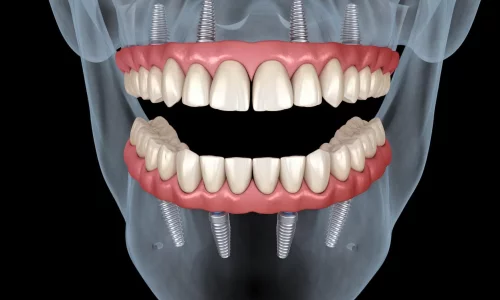
All-on-X offers unmatched flexibility in dental implant procedures, allowing for a customizable number of implants—ranging from 4 to 6 or more—based on individual needs. Ideal for complex cases, it provides enhanced stability, comfort, and a personalized treatment approach.
A guide explaining the factors that determine whether aligners or braces are the best option for your orthodontic treatment.
A complete Hollywood Smile guide for Turks living abroad. Discover how to plan your dental journey in Turkey for a perfect smile.

Milim Dental Hospital isn't just a clinic—it's where confident smiles begin. With a team of world-class specialists, advanced technology, and a patient-first approach, we turn dental care into a premium experience.
We prioritize hygiene, comfort, and tailor-made treatments designed just for you. Don’t just take our word for it—explore real stories from real patients.
Your perfect smile starts here. Join the Milim experience.
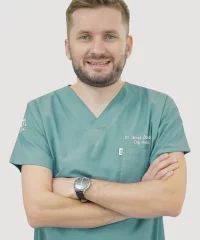

Milim Dental Hospital provides comprehensive dental services in a spacious 1,000 m² facility, supported by a wide team of dental professionals including specialists in Oral and Maxillofacial Surgery, Prosthodontics, Orthodontics, Pediatric Dentistry, and Periodontology.