One of the most common questions patients ask during cosmetic consultations is this: how many teeth are included in a smile makeover? The question seems simple, but the answer is rarely just a number. Patients usually ask because they want to understand how extensive the treatment will be, how natural the final result may look, and how the plan will affect overall cost and commitment.
This question matters because many people assume smile makeovers follow a standard formula. They imagine that there must be a fixed number of teeth treated in every aesthetic case. In reality, smile design is much more individualized than that. Some patients may need only a limited number of teeth included to transform the smile. Others may need a broader visible zone treated to create a balanced and natural result.
The number of teeth is not chosen randomly. It depends on smile width, tooth display, facial symmetry, lip line, aesthetic goals, and the kind of treatment being planned. That is why two patients can both want a “smile makeover” and still receive very different treatment recommendations.
At Milim Dental, the number of teeth included in a smile makeover is always based on harmony rather than routine. That helps patients understand that the plan is being designed for their smile, not copied from a generic template.
**Why isn’t the number always the same?**
The main reason is that every smile is different. Some patients show more teeth when they smile, while others show fewer. Some have a narrower visible smile zone, while others reveal a much wider arch. This means the number of teeth that need to be treated for the result to look balanced can vary quite a lot from one person to another.
Another reason is the type of change being planned. If the main concern is the front central area, a smaller number may be enough. If the patient wants broader harmony across the visible smile line, then more teeth may need to be included so the treatment does not stop too abruptly or look visually disconnected.
Patients often expect a fixed answer because they are thinking of treatment in units. Aesthetic dentistry, however, is not only about units. It is about visual flow. A smile looks natural when the treated area blends well with the rest of the visible teeth.
At Milim Dental, this is why the number of teeth is always discussed in the context of smile design rather than simply as a standard cosmetic count.
**Does smile width affect the number of teeth included?**
Yes, very strongly. Smile width is one of the most important factors in deciding how many teeth should be part of the makeover. A patient who shows only a smaller front segment when smiling may need fewer teeth treated to achieve a beautiful result. A patient with a broader smile may need more teeth included so that the transformation looks consistent from one side to the other.
This matters because cosmetic treatment should not end in a way that feels visually sudden. If only the most central teeth are changed in a wide smile, the contrast between treated and untreated areas may be too obvious. On the other hand, treating too many teeth unnecessarily may create more intervention than the case truly needs.
That is why smile width is not just a cosmetic detail. It is one of the main design guides in deciding how broad the treatment should be. Patients often understand the plan much better once they see it as part of smile balance rather than a random tooth count.
At Milim Dental, smile width is treated as one of the core visual factors in planning a natural-looking makeover.
**Does the treatment type also influence the number?**
Yes. The type of treatment being planned can influence how many teeth should be included. Veneers, zirconia crowns, bonding, whitening, and mixed aesthetic plans do not all follow the same logic. Some treatments work best when more visible teeth are included for symmetry and consistency. Others can be used more selectively.
For example, a patient seeking a complete change in shape, color, and smile harmony may need a wider visible zone treated than a patient who only wants to correct one or two aesthetic concerns. The treatment type and the aesthetic goal work together to shape the number.
This is why patients should not think of smile makeover planning as only “how many teeth do I want?” The more useful question is “How many teeth need to be included for the smile to look balanced and complete?” That answer is aesthetic, structural, and individual all at once.
At Milim Dental, the treatment type is always considered together with visibility and harmony before the number of teeth is finalized.
**Can fewer teeth still create a strong result?**
Yes, absolutely. Many patients worry that if fewer teeth are included, the smile makeover will look too limited to matter. In reality, a carefully planned treatment on the right teeth can create a very strong and satisfying improvement. The key is not doing the most treatment. The key is treating the correct visible zone.
A smaller number may work beautifully when the smile is narrower or when the main concerns are concentrated in the central aesthetic area. In these cases, treating fewer teeth may create a result that still looks elegant and natural without unnecessary intervention.
However, fewer teeth only works when the untreated areas do not create visible imbalance. That is why the decision should never be made only because the patient wants the smallest number possible. It has to make visual sense within the smile.
At Milim Dental, conservative treatment is welcomed when it still supports harmony. A smaller plan can still be a beautiful plan when it is designed properly.
**Can too few teeth make the makeover look unfinished?**
Yes, sometimes. This is one of the main reasons the number must be chosen carefully. If the cosmetic treatment stops too early within the visible smile zone, the final result may feel incomplete or too obviously limited to the central teeth. Patients sometimes notice this as a smile that looks beautiful in the middle but less harmonious toward the sides.
This does not mean more teeth are always better. It means the transition between treated and untreated areas must be aesthetically intelligent. A smile makeover should not look like isolated cosmetic pieces. It should feel integrated into the full visible expression of the smile.
This is why the right number is often about avoiding abrupt contrast rather than simply increasing treatment size. A natural result usually comes from continuity, not from treating a random set of teeth.
At Milim Dental, the goal is to create a smile that feels coherent. The number of teeth is chosen to support that coherence, not just to fill a quota.
**What should patients ask about the number of teeth?**
Patients should ask why a certain number of teeth is being recommended. They should ask whether the visible smile width, facial balance, and transition to untreated teeth have all been considered. This often gives much more useful insight than asking only “How many teeth do most people do?”
It is also helpful to ask whether the plan is being designed for natural harmony or for maximum cosmetic change. Some patients want a subtle, believable improvement. Others want a more dramatic transformation. The number of teeth may be influenced by that difference.
Patients usually feel more confident when they understand that the recommendation is based on how their smile actually looks in motion and in expression. Aesthetic planning feels much more personal once the number is connected to design logic instead of general rules.
At Milim Dental, these questions are welcomed because patients deserve to understand why the smile plan includes the teeth it does.
**Frequently Asked Questions**
**Is there a standard number of teeth in every smile makeover?**
No. There is no single number that fits every patient. The number of teeth included depends on smile width, visibility, aesthetic goals, and the type of treatment being planned. A smile makeover should always be based on harmony rather than a fixed formula.
**Why might one patient need more teeth treated than another?**
Because different patients show different amounts of teeth when they smile, and they may also want different levels of visual change. Some smiles require a wider treated zone to look balanced, while others can be transformed beautifully with fewer teeth. The recommendation depends on visibility and design, not just preference.
**Can fewer teeth still create a major improvement?**
Yes. In many cases, treating the right visible teeth can create a very strong and elegant result. The key is that the plan must still feel balanced with the rest of the smile. Fewer teeth can work very well when the case is designed carefully.
**Can too few teeth make the result look unnatural?**
Yes, in some cases. If the treatment stops too early in the visible smile zone, the result may look incomplete or too sharply different from the untreated teeth. That is why the transition within the smile matters as much as the treated teeth themselves.
**What is the most important thing before deciding the number of teeth?**
The most important thing is understanding how many teeth need to be included for the final smile to look natural and harmonious. Patients should know that the number is chosen for visual balance, not simply as a routine cosmetic package.
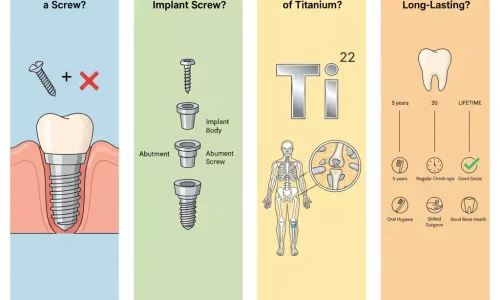
Is a dental implant a screw or is it made of titanium? What is an implant screw? How long do implants last? Learn about the biocompatibility and osseointegration process that ensures the long-term success of dental implants.
Why is professional teeth cleaning and tartar removal essential? Discover how this procedure is the foundation of healthy gums, the risks of plaque and calculus buildup, and how often you need to see your dentist for optimal periodontal health.
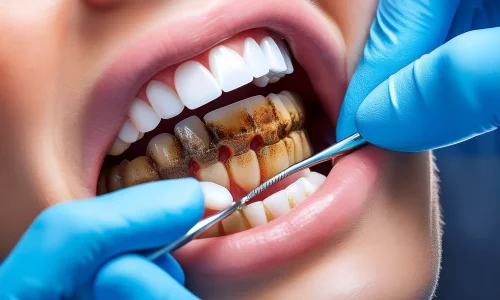
Oral and dental health is one of the most essential components of overall well-being. Any small problem in the mouth can grow rapidly and trigger various systemic health issues. With conscious, regular cleaning and proper oral care, you can easily protect your teeth and gums.
Milim Dental Hospital isn't just a clinic—it's where confident smiles begin. With a team of world-class specialists, advanced technology, and a patient-first approach, we turn dental care into a premium experience.
We prioritize hygiene, comfort, and tailor-made treatments designed just for you. Don’t just take our word for it—explore real stories from real patients.
Your perfect smile starts here. Join the Milim experience.

Milim Dental Hospital provides comprehensive dental services in a spacious 1,000 m² facility, supported by a wide team of dental professionals including specialists in Oral and Maxillofacial Surgery, Prosthodontics, Orthodontics, Pediatric Dentistry, and Periodontology.