
Many people visit the dentist only when they feel pain. But long before you notice a toothache, your gums may already be in trouble – and most of the time, gum disease progresses silently, without pain.
One of the main triggers behind gum problems is tartar, also called calculus. Regular professional teeth cleaning and tartar removal are not just cosmetic. They are essential to keep your teeth, gums and smile healthy for the long term.
In this article, you will learn:
What tartar is and how it forms
How tartar harms your gums and bone
Why professional cleaning does not damage your teeth
How often you should get your teeth cleaned
What you can do at home to protect your gums
What Is Dental Tartar and How Does It Form?
All day long, a soft, sticky layer called dental plaque builds up on your teeth. This plaque is made of:
Bacteria
Food particles
Saliva components
If plaque is not removed properly with tooth brushing and flossing, it starts to harden. Minerals in your saliva (like calcium and phosphate) crystalize the plaque and turn it into tartar (calculus).
Tartar:
Is hard and rough
Sticks firmly to the teeth
Cannot be removed with normal brushing at home
It usually accumulates:
Around the gum line
Behind the lower front teeth
On the cheek side of upper molars
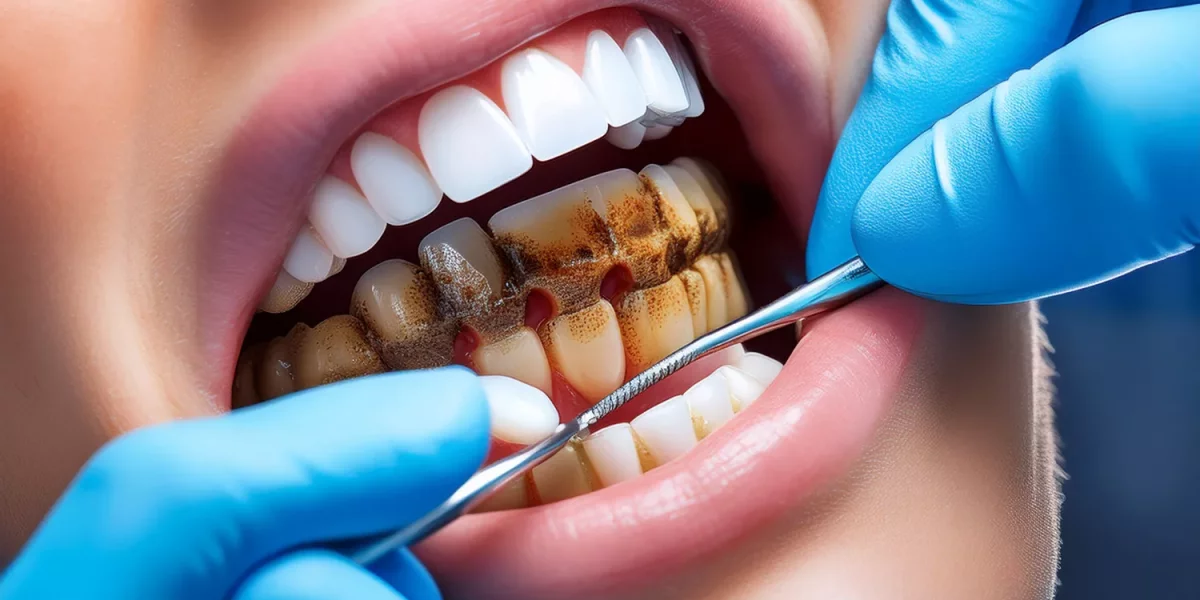
What you see in the mirror as yellow or brown “stone-like” deposits is not just a stain; it is an ideal surface for more bacteria to attach and multiply.
Once plaque has turned into tartar, only a dentist or dental professional can remove it safely with special instruments.
How Tartar Damages Gums and Bone
Tartar itself is not “poison”, but it is the perfect home for harmful bacteria. These bacteria provoke inflammation in your gums and the tissues that hold the teeth.
Step 1 – Gingivitis (gum inflammation)
First, tartar irritates the gum margins and leads to:
Red, swollen gums
Bleeding while brushing or biting
Bad breath
This stage is called gingivitis. The good news: gingivitis is reversible if treated early.
Step 2 – Periodontitis (advanced gum disease)
If tartar and plaque stay for a long time:
The attachment between tooth and gum breaks down
“Pockets” form between the teeth and the gums
Bacteria move deeper under the gum line
The bone that holds the teeth begins to shrink and dissolve
This more serious stage is called periodontitis. Symptoms can include:
Gum recession (teeth look longer)
Sensitivity
Teeth shifting or spacing
Loose teeth
Discomfort while chewing
If this process continues untreated, teeth may eventually become so loose that they need to be extracted — even if there is no cavity in the tooth itself.
In simple words:
Tartar → Gum inflammation → Bone loss → Loose teeth → Tooth loss
Gum Health and Your General Health
Healthy gums are not only important for a nice smile. Chronic gum inflammation has been linked with several general health problems, such as:
Higher risk of cardiovascular disease
Poor blood sugar control in diabetes
Low birth weight and preterm birth in pregnant women
Chronic bad breath and lower self-confidence
Your mouth is connected to your whole body. Keeping your gums healthy by regular teeth cleaning and tartar removal is a simple but powerful step for your overall health.
How Is Professional Teeth Cleaning Done?
The professional procedure is often called:
Scaling and polishing
Professional teeth cleaning
Tartar removal
What happens during the appointment?
Examination
The dentist checks your teeth, gums and existing tartar deposits.
Scaling (tartar removal)
Special ultrasonic scalers and fine instruments are used
Vibrations gently break tartar away from the tooth surface
Water cools the tip and rinses away debris
Cleaning under the gum line
If necessary, the dentist or hygienist cleans slightly under the gums
This is especially important in patients with gum disease or deep pockets
Polishing
After tartar removal, the tooth surfaces are polished
Special polishing paste and brushes are used
This makes the tooth surface smoother and less plaque-retentive
The entire process is focused on removing harmful deposits while preserving your natural tooth structure.
Does Professional Teeth Cleaning Hurt?
Pain perception is different for every person, but in general:
Many patients feel only mild discomfort or sensitivity
Inflamed gums may bleed slightly during the procedure
If your gums are very sensitive or you are anxious, local anaesthesia can be used so you do not feel pain
After the cleaning, you may notice:
Slight soreness of the gums for a day or two
Temporary sensitivity to cold or hot drinks
These symptoms typically improve quickly and are a normal part of healing as the gums become healthier and tighter.
Common Myths: “Teeth Cleaning Damaged My Teeth”
There are several myths surrounding tartar removal and cleaning:
Myth 1: “After cleaning, my teeth became loose.”
In reality, the teeth were already supported by less bone due to gum disease. Before cleaning, tartar had filled the spaces and “held” the teeth like a wedge. After the tartar is removed, you may simply notice the looseness that was already there.
Cleaning does not cause looseness; it reveals the true condition.
Myth 2: “Scaling scratches or wears away my enamel.”
Professional scaling, with modern equipment and proper technique, does not damage tooth enamel. The instruments are designed to remove hard deposits from the tooth surface without cutting into healthy tooth structure.
Myth 3: “If I start cleaning, I must do it all the time.”
Gum health is like going to the gym: you maintain your results with regular care. Needing regular professional cleaning is not a problem; it is exactly how you:
Prevent gum disease
Avoid tooth loss
Reduce future treatment costs
How Often Should You Have Professional Teeth Cleaning?
The ideal frequency depends on your individual risk factors. As a general guide:
Every 6 months:
For patients with healthy gums and good oral hygiene.
Every 3–4 months:
For patients who:
Have a history of gum disease
Smoke
Have diabetes
Have many crowns, bridges, implants
Struggle with plaque control at home
Your dentist will recommend the best interval for your mouth. Regular visits also allow early detection of cavities, broken fillings and other problems before they become serious.
What Can You Do at Home Between Cleanings?
Professional teeth cleaning is essential, but it cannot replace daily home care. To keep plaque under control and slow down tartar formation:
1. Brush at least twice a day
Use a soft or medium toothbrush
Brush for at least 2 minutes
Pay special attention to the gum line
An electric toothbrush can help many patients clean more effectively
2. Use dental floss or interdental brushes
Toothbrush bristles cannot reach between teeth. Floss and/or interdental brushes:
Remove plaque between teeth
Help prevent cavities in contact areas
Reduce the risk of gum inflammation
3. Consider an antiseptic mouthwash
An alcohol-free mouthwash with antibacterial properties may:
Reduce plaque bacteria
Support gum healing in certain cases
However, mouthwash cannot replace brushing and flossing.
4. Lifestyle habits
Stop or reduce smoking – it is a major risk factor for gum disease
Maintain a balanced diet with limited sugary snacks
Drink water frequently to support saliva flow
Who Is at Higher Risk for Tartar and Gum Disease?
Some people need closer follow-up and more frequent professional cleaning:
Smokers
Diabetic patients
People with a family history of early tooth loss or gum disease
Patients with many crowns, bridges, implants or orthodontic braces
Mouth breathers (especially children)
Patients with weak oral hygiene habits
If you belong to one of these groups, regular professional teeth cleaning is not optional – it is crucial.
Signs You May Need a Professional Teeth Cleaning Soon
Look in the mirror and ask yourself:
Do my gums bleed when I brush or floss?
Are my gums red, swollen or shiny?
Do I have persistent bad breath?
Do some teeth look longer than before (gum recession)?
Do I see yellow or brown deposits close to the gum line?
Do I feel food getting stuck more often between my teeth?
If you answered “yes” to several of these questions, it is time to book a professional teeth cleaning and gum check-up.
Conclusion: Professional Teeth Cleaning Is Not a Luxury – It’s a Necessity
Regular professional teeth cleaning and tartar removal are:
Not just for “cosmetic” reasons
Not something you do only before a special event
Not a procedure that damages your teeth
They are a fundamental part of preventive dentistry, helping you:
Protect your gums and bone
Keep your natural teeth longer
Support your general health
Enjoy fresh breath and a confident smile
Combined with good daily home care, visiting your dentist every 3–6 months for professional teeth cleaning is one of the best investments you can make in your health.
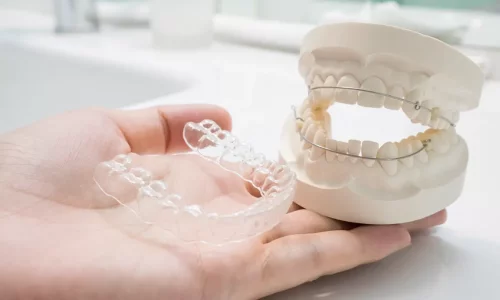
A guide explaining IPR and why it may be required during aligner or braces treatment.
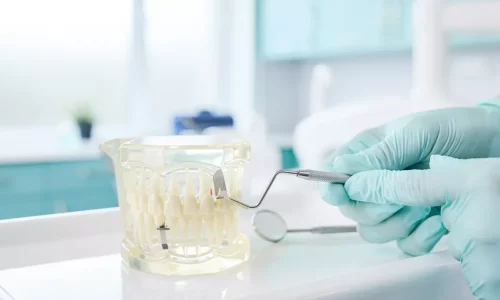
A guide explaining the different retainers used post-braces or aligners and their purposes.
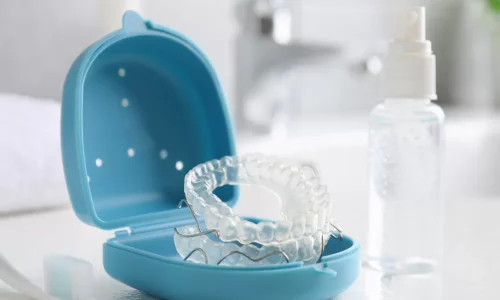
A guide explaining types of retainers and recommended wear time after braces or aligners.
Milim Dental Hospital isn't just a clinic—it's where confident smiles begin. With a team of world-class specialists, advanced technology, and a patient-first approach, we turn dental care into a premium experience.
We prioritize hygiene, comfort, and tailor-made treatments designed just for you. Don’t just take our word for it—explore real stories from real patients.
Your perfect smile starts here. Join the Milim experience.


Milim Dental Hospital provides comprehensive dental services in a spacious 1,000 m² facility, supported by a wide team of dental professionals including specialists in Oral and Maxillofacial Surgery, Prosthodontics, Orthodontics, Pediatric Dentistry, and Periodontology.