
Pain after dental implant surgery is one of the first things patients worry about. Even people who are very interested in implants often hesitate because they are afraid of the recovery period. They want to know whether the pain will be severe, how long it will last, and whether discomfort means something is going wrong.
This concern is completely understandable. Dental implant surgery sounds major to many patients, especially if they have never had a surgical dental procedure before. Some imagine intense pain for many days. Others are told by friends that recovery was easier than expected and do not know what to believe. The truth is usually somewhere in the middle.
Some discomfort after implant surgery is normal. However, not all pain means the same thing. Mild soreness, tenderness, or pressure in the early healing phase may be expected. But pain that gets worse instead of better, becomes intense, or is associated with swelling, bad taste, or fever should never be ignored.
At Milim Dental, this topic is explained clearly because patients usually recover more calmly when they know what is normal, what is temporary, and what deserves professional attention.
## **Is pain after implant surgery normal?**
Yes, a certain amount of discomfort after implant surgery is normal. The body has gone through a procedure involving bone and soft tissue, so mild to moderate soreness in the first days can be expected. Most patients describe the feeling as manageable rather than unbearable, especially when they follow post-operative instructions carefully.
The experience is not identical for everyone. A single straightforward implant is different from a more complex surgical case. A patient having one implant in a healthy site may recover more easily than someone who has extractions, multiple implants, or more advanced bone-related treatment at the same time.
This is why patients should avoid comparing themselves too closely with other people. Someone else’s experience may be very different from their own case. What matters more is whether the discomfort follows a healing pattern that gradually improves rather than worsens.
At Milim Dental, the focus is not on pretending that there is no pain. The focus is on helping patients understand that some pain is part of healing, while certain patterns of pain need evaluation.
## **What kind of pain is usually expected?**
The most common type of pain after implant surgery is soreness or tenderness in the area, especially when chewing, touching the site, or opening the mouth widely. Patients may also feel pressure, tightness, or a bruised sensation around the treated area. This is often most noticeable in the first days and then gradually reduces.
Some swelling or mild throbbing may also be present, especially if the surgery involved more than simple implant placement. In some cases, the patient may feel discomfort more in the surrounding gum or jaw area rather than directly “inside” the implant site. This can still be part of the normal healing process.
The important thing is usually the direction of change. If discomfort is gradually settling, that is reassuring. If it is becoming sharper, stronger, or more persistent instead of improving, the situation should be reviewed more carefully.
At Milim Dental, patients are encouraged to focus not only on whether there is pain, but on how that pain is changing over time. That often gives a much better idea of whether healing is following the expected path.
## **When should patients be more concerned?**
Pain becomes more concerning when it increases rather than decreases, especially after the early recovery phase. If the area becomes more swollen, more tender, or suddenly more difficult to bite on, this may suggest that the healing process is not going as expected. Pain associated with bad taste, discharge, strong odor, or fever also deserves attention.
Another warning sign is pain that appears later after the patient initially felt fine. Some patients feel comfortable for a while and then notice new tenderness or chewing discomfort. That does not automatically mean the implant has failed, but it does mean the area should be assessed.
Pain that feels severe, unusual, or clearly different from the normal healing experience should never be dismissed just because the patient assumes “all surgery hurts.” Dental implants are meant to heal in a controlled way. A change in pattern is often more important than the pain alone.
At Milim Dental, the goal is not to make patients anxious. The goal is to help them understand when pain is part of healing and when it becomes a reason to contact the clinic.
## **Does pain mean the implant is failing?**
Not necessarily. This is one of the most common misunderstandings. Patients often assume that any discomfort means the implant is failing, but that is not always true. In many cases, pain can come from healing soft tissues, bite sensitivity, temporary inflammation, or surrounding structures rather than total implant failure.
At the same time, pain should not be ignored if it continues or becomes more intense. An implant problem may be one possible explanation, but it is not the only one. The cause could also be related to the restoration, the bite, or the way forces are landing on the area.
That is why self-diagnosis is difficult. A patient may feel something is wrong, but only examination and, when needed, imaging can show whether the issue is healing-related, tissue-related, or implant-related.
At Milim Dental, this distinction is important because it prevents both extremes: unnecessary panic and dangerous delay.
## **What helps reduce pain after implant surgery?**
Patients usually recover more comfortably when they follow instructions carefully. Medications, cold application where advised, protecting the area from pressure, and keeping the mouth clean in the recommended way can all help reduce discomfort. Rest and a softer diet may also make the first days easier.
One of the biggest mistakes is assuming that if the implant feels stable, the site can be used normally right away. Too much pressure during early healing can make the area more painful and may interfere with recovery. Patients should treat the site with respect even if they are feeling better quickly.
Smoking can also negatively affect healing and may contribute to discomfort or tissue problems. So can poor cleaning or ignoring follow-up advice. Pain management is not only about medicine. It is also about supporting healing conditions properly.
At Milim Dental, these details are treated as part of the treatment itself, because a more comfortable recovery usually comes from a better-managed healing period.
## **What should patients remember about recovery?**
The most important thing patients should remember is that some pain does not mean something has gone wrong. Surgery involves healing, and healing involves temporary discomfort. What matters is whether the discomfort is manageable and moving in the right direction.
Patients should also remember that recovery is individual. Some people feel surprisingly comfortable after implant surgery. Others need more time. The goal is not to force every case into the same timeline, but to monitor the healing pattern and respond appropriately if anything changes.
A well-informed patient is usually a calmer patient. When people understand what is normal, they are less likely to panic about ordinary recovery and more likely to recognize symptoms that truly deserve attention.
At Milim Dental, this balance is important. Good implant care means helping patients recover with both realistic expectations and clear guidance.
## **Frequently Asked Questions**
### **How long does pain usually last after implant surgery?**
Some discomfort is often most noticeable during the first few days and then gradually improves. However, the exact timeline varies depending on the complexity of the case, the number of implants, and whether extractions or other procedures were involved. The most important sign is whether the pain is gradually decreasing rather than getting worse.
### **Is throbbing pain normal after an implant?**
Mild throbbing can happen in early healing, especially shortly after surgery. However, if throbbing becomes stronger, lasts longer than expected, or is associated with swelling, bad taste, or increasing tenderness, the area should be checked. The pattern matters more than the word “throbbing” alone.
### **Should I worry if the implant area hurts when I chew?**
Early chewing sensitivity can happen, especially during healing. However, if biting becomes clearly painful, feels unstable, or gets worse instead of better, it should be evaluated. Some discomfort may be normal, but strong or increasing bite pain deserves attention.
### **Can pain happen even if the implant is healing normally?**
Yes. Mild to moderate soreness can still happen in a normally healing site. Healing bone and soft tissue can create tenderness or pressure without meaning the implant is failing. The key is whether the discomfort follows a stable improvement pattern.
### **When should I contact the clinic?**
Patients should contact the clinic if pain becomes stronger instead of weaker, if swelling increases, if there is bad taste or discharge, or if chewing becomes more uncomfortable over time. It is always better to ask early than to wait too long when something feels clearly unusual.
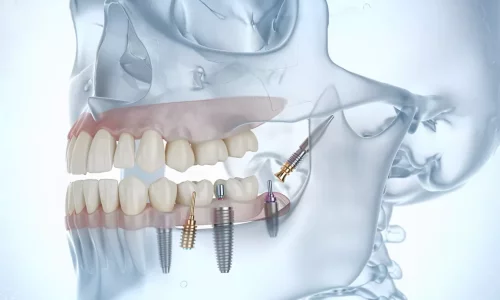
Learn how zygomatic implants restore teeth in cases of significant upper jaw bone loss.
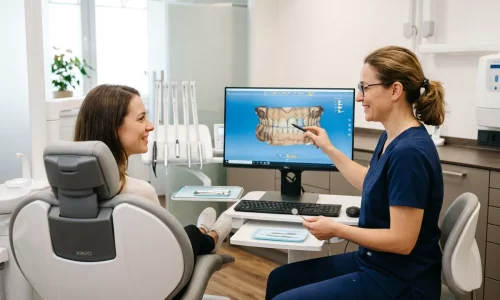
Explore the planning steps for zirconium treatment, from digital impressions to the final fit for a lasting, radiant smile.
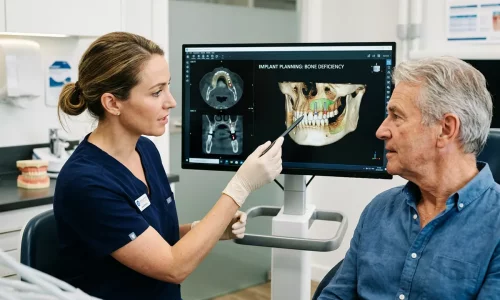
Explore how we plan implants for patients with bone loss, using advanced imaging and grafting for a successful outcome.
Milim Dental Hospital isn't just a clinic—it's where confident smiles begin. With a team of world-class specialists, advanced technology, and a patient-first approach, we turn dental care into a premium experience.
We prioritize hygiene, comfort, and tailor-made treatments designed just for you. Don’t just take our word for it—explore real stories from real patients.
Your perfect smile starts here. Join the Milim experience.

Milim Dental Hospital provides comprehensive dental services in a spacious 1,000 m² facility, supported by a wide team of dental professionals including specialists in Oral and Maxillofacial Surgery, Prosthodontics, Orthodontics, Pediatric Dentistry, and Periodontology.