More and more patients arrive at Milim Dental in Bursa, Turkey with the same sentence:
“I already have dental implants… but I’m not happy with them at all.
Can anything be done, or do I have to live like this forever?”
Sometimes the problem is pain or infection.
Sometimes it is aesthetic disappointment – the teeth look fake, the smile is uneven.
Sometimes the implants were placed years ago and things have gradually deteriorated.
If you are reading this, you might recognise yourself in one of these situations:
Crowns or bridges on implants feel bulky, unnatural or too big
The colour does not match your face or remaining teeth
You have bad breath, bleeding or pus around implants
You feel pain or pressure when chewing
Food constantly gets trapped under the bridge
You are afraid the implants are “failing”, but you don’t know what to do
This article will guide you step by step through:
The most common reasons patients are unhappy with their existing implants
What can realistically be corrected without removing implants
When implants themselves must be treated or replaced
How revision implant treatment is planned at Milim Dental, Bursa
Why working with an experienced oral & maxillofacial surgeon like Dr Ali Direnç Ulaşan is crucial in complex cases
The aim is simple:
You should finish this article thinking “There is a structured way forward”, not “I’m stuck with this forever”.
Before talking about solutions, it helps to understand the different types of problems.
Most complaints fall into one or more of these categories:
Crowns or bridges are too big, too long or too short
Teeth are too white, too opaque or the wrong shade for your face
Midline is off – the “centre” of the smile is not aligned with the face
Gum line is uneven or shows dark triangles between teeth
Metal shows at the gum line in old restorations
Result:
You don’t like your smile in photos, you feel self-conscious, and you avoid smiling naturally.
Difficulty chewing comfortably on one or both sides
Bite feels “wrong” or unstable
You hear clicking, feel pressure or pain when biting
You grind or clench and the implants or crowns feel stressed
Result:
You don’t trust your bite, mealtimes are stressful, and you fear breaking something.
Bleeding, swelling or pus around implants
Persistent bad breath or bad taste
Pain or deep discomfort around one or more implants
Loose screws, broken screws or broken prostheses
X-rays show bone loss around implants (peri-implantitis)
Result:
You worry about losing the implant, damaging your jaw bone, or needing major surgery in the future.
After a bad experience, many patients feel:
Disappointed and betrayed – “I trusted that clinic, and now look at this.”
Anxious – “What if the new treatment fails again?”
Confused – different dentists say different things about what went wrong.
It is completely normal to feel this way. Part of our job at Milim Dental Bursa is to:
Listen carefully
Explain clearly
Rebuild trust step by step
Correcting previous implant work is very different from starting a simple new case.
This is why Dr Ali Direnç Ulaşan, oral & maxillofacial surgeon at Milim Dental in Bursa, follows a strict and systematic assessment protocol.
We start with:
Full inspection of all implants, crowns, bridges and natural teeth
Checking for tenderness, mobility, gum health and biting contacts
Assessing smile line, lip support and facial aesthetics
We are not only looking at what you don’t like – we are also trying to understand why it turned out this way.
We normally require:
A panoramic X-ray as a general overview
A CBCT (3D scan) in complex or doubtful areas
On the scans we can evaluate:
Position and angulation of each implant
Amount of bone around the implants
Presence of bone loss, peri-implant defects or hidden infection
Relationship to important anatomical structures (nerves, sinuses, etc.)
This is crucial to decide:
Which implants are healthy and usable
Which implants are compromised but possibly salvageable
Which implants are so badly placed or infected that they should be removed
We also take:
High-quality intraoral and smile photos
Sometimes videos of speech and smile dynamics
This helps us plan aesthetics and explain options to you clearly.
One of the biggest fears is:
“Will you need to remove all my implants and start from zero?”
In many cases, the answer is no.
We can often keep the implant fixtures and replace only the parts on top (abutments, crowns, bridges).
If imaging and examination show that:
Implants are well integrated in bone (no major bone loss)
There is no active infection around them
The position and angulation are acceptable
but you still have problems with:
Aesthetics
Bite
Comfort
then the main issue is often prosthetic design, not the implants themselves.
In such cases, treatment may involve:
Changing abutments (the connectors between implant and crown)
Designing new zirconia or ceramic crowns/bridges with better shape, size and shade
Adjusting bite (occlusion) to distribute forces more evenly
Improving cleaning access so that you can maintain implant hygiene better
This kind of prosthetic revision can completely transform:
Your smile
Your comfort
Your confidence
without the trauma, cost and time of removing well-integrated implants.
Sometimes, however, the problem is biological, not just cosmetic.
Peri-implantitis is:
Inflammation and infection in the gum and bone around an implant
Similar to periodontitis (gum disease) around natural teeth
Often caused by plaque accumulation, overload, or design that is difficult to clean
Signs may include:
Bleeding or pus around the implant
Bad breath or taste
Deep pockets around the implant when measured
X-ray evidence of bone loss
If this condition is ignored, the implant can eventually become loose and fail.
Depending on severity, treatment options at Milim Dental Bursa include:
Non-surgical therapy
Deep cleaning around the implant
Antiseptic or antibiotic therapies
Polishing and smoothing of surfaces where possible
Surgical therapy
Lifting the gum flap to clean infected tissue
Detoxifying the implant surface with special instruments and protocols
Bone grafting around the implant in selected cases
The goal is to stop the disease, stabilise bone levels and preserve the implant if possible.
We will always be honest with you:
If we believe the implant has a reasonable chance to be saved, we will explain the plan.
If the prognosis is poor, we will recommend removal rather than repeated, unsuccessful attempts.
In some situations, removal is the best option from a biological and mechanical standpoint. For example:
The implant is placed in a clearly wrong position (too labial, too lingual, too close to another tooth/implant)
There is advanced bone loss with mobility of the implant
There is a persistent infection that does not respond to treatment
The implant design makes any reasonable prosthetic solution impossible
Although it sounds scary, removing a failing implant and starting again in a controlled way can be a relief:
The source of infection and chronic discomfort is gone
You have a chance to rebuild bone and plan a healthier, more stable solution
After removing a failing implant, we often need to:
Thoroughly clean the area of granulation tissue and infection
Perform bone grafting to fill the defect
Use membranes or regenerative materials
Allow healing for a period (often several months)
Only after the site is stable do we:
Consider placing a new implant in a better position
Or choose an alternative solution (bridge, partial prosthesis, etc.)
At Milim Dental Bursa, Dr Ali Direnç Ulaşan is particularly experienced in:
Explantation of failing implants
Reconstruction of complex defects
Advanced techniques such as sinus lifting and, where indicated, zygomatic implants in severe bone loss cases
Once the biological situation is under control and we know which implants can be used, we move to smile and bite design.
This stage is often the most exciting for patients.
We focus on:
How much tooth and gum is visible when you smile and talk
Lip support and profile
Tooth proportions and alignment
Your age, facial features and personal preferences (natural vs “Hollywood white”)
You may have had a previous result that looked:
Too artificial
Too long or too short
Not matching your personality
This time, the design is done with you, not just “for” you.
At Milim Dental Bursa we use:
Digital smile design tools
Intraoral scanning
3D planning software
We can often create a mock-up (a temporary version of your new smile) so you can:
See the shape and length of teeth before finalising
Give feedback – “I want slightly shorter”, “I like this shape better”, etc.
This reduces the risk of aesthetic disappointment once the final restorations are placed.
If you are unhappy with previous implants, you probably felt at some point:
Not listened to
Not fully informed about risks and alternatives
Rushed into decisions
In revision cases, good communication is as important as good surgery.
At Milim Dental in Bursa, our team led by Dr Ali Direnç Ulaşan takes extra time to:
Understand what exactly bothered you with past treatment
Explain each step of the new plan in simple language
Show X-rays, 3D images and photos so you can follow the reasoning
Discuss timelines, costs and realistic expectations
You should feel:
That your concerns are taken seriously
That no one is trying to “sell” you something
That there is a clear, structured plan to make things better
If you decide to reach out to us about your previous implants, the typical journey looks like this:
Initial Contact
You send us photos and any existing X-rays (if you have them)
Our team reviews your case and may ask a few key questions
First Consultation (Online or In-Clinic)
We talk through your history and current complaints
We explain what additional imaging or examinations are needed
Full Assessment at Milim Dental
Clinical exam, X-rays, CBCT where indicated
Photographs, scans, bite analysis
Treatment Planning with Dr Ali Direnç Ulaşan
Clear explanation of what can be kept and what must be changed
Detailed plan for:
Treating any infection or peri-implantitis
Replacing crowns/bridges
Removing and redoing implants if absolutely necessary
Execution in Phases
We often divide treatment into logical phases to:
Control disease
Rebuild foundations
Then create your final smile
Maintenance and Long-Term Follow-Up
Regular hygiene and control visits
Bite check and adjustments if needed
Support if you live abroad (online communication and cooperation with your local dentist)
If you are unhappy with your existing dental implants, remember:
You are not alone – many patients have gone through similar experiences.
In many cases, implants themselves can be kept, and only the prosthetics need to be redesigned.
If there is infection or bone loss, peri-implantitis can often be treated – and failing implants can be removed and replaced when necessary.
A proper revision plan requires:
Detailed diagnosis
An experienced oral & maxillofacial surgeon
A clinic with digital planning and advanced surgical/prosthetic options
At Milim Dental in Bursa, Turkey, Dr Ali Direnç Ulaşan and his team are focused on:
Repairing or replacing unsatisfactory previous implant work
Protecting your remaining bone and soft tissues
Designing a smile that truly fits your face and your life
Giving you the confidence to eat, speak and smile without fear
If you recognise yourself in this article and you are thinking:
“This is exactly my situation – I need a second opinion,”
then your next step is simple:
reach out, share your story and let us analyse your case.
A carefully planned revision with an experienced surgeon can turn a daily source of stress into a long-term source of comfort and confidence.
Explore how we plan full mouth implants, from bone assessment to the final bridge, for a life-changing dental restoration.
Discover the importance of expert planning for effective and safe subperiosteal implant treatments.
How are sterilization and digital technology maintained in our clinic? Explore how advanced tools like CBCT (3D Tomography), Guided Surgery, and a Digital Workflow maximize safety, precision, and successful outcomes for dental treatments in Turkey.
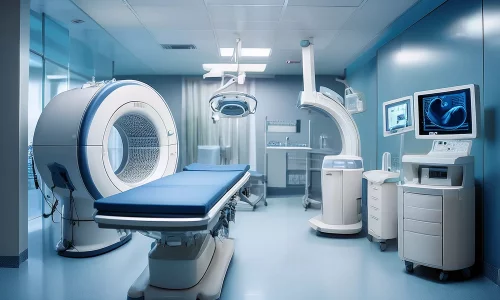
Milim Dental Hospital isn't just a clinic—it's where confident smiles begin. With a team of world-class specialists, advanced technology, and a patient-first approach, we turn dental care into a premium experience.
We prioritize hygiene, comfort, and tailor-made treatments designed just for you. Don’t just take our word for it—explore real stories from real patients.
Your perfect smile starts here. Join the Milim experience.

Milim Dental Hospital provides comprehensive dental services in a spacious 1,000 m² facility, supported by a wide team of dental professionals including specialists in Oral and Maxillofacial Surgery, Prosthodontics, Orthodontics, Pediatric Dentistry, and Periodontology.