
Tooth sensitivity is one of the most common complaints we hear at Milim Dental Bursa. Patients describe a sharp, brief pain with cold drinks, sweet foods, or even when breathing in cold air. Often they worry that every sensitive tooth needs root canal treatment.
The good news: in many cases, sensitivity is a warning sign that we can address early, long before a tooth is at risk of being lost. This article explains what sensitivity means, how it relates to enamel erosion, which toothpastes and toothbrushes help, and when fillings or more advanced treatments are needed to save your teeth.
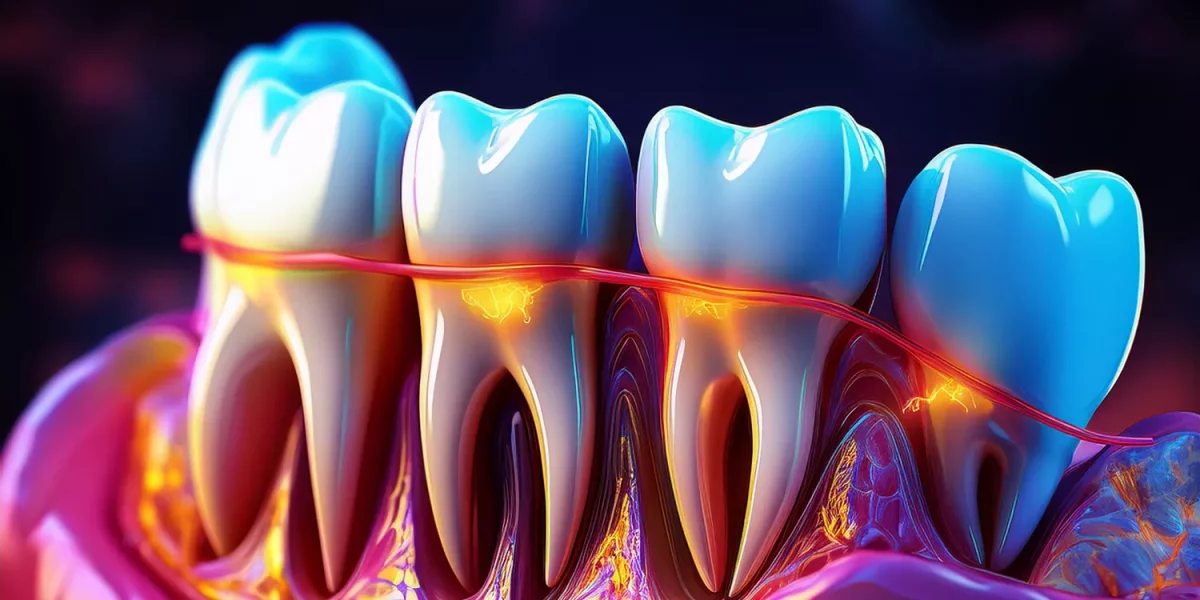
A tooth is made of layers:
Enamel (the hard outer shell)
Dentine (the softer layer underneath, with tiny tubules leading to the nerve)
Pulp (the nerve and blood supply)
When enamel is thin, worn or cracked, or when roots are exposed, sensations can travel more easily to the nerve, creating pain. Common causes include:
Aggressive brushing with a hard toothbrush
Acidic foods and drinks (citrus, soda, energy drinks)
Grinding and clenching, which can wear enamel
Gum recession exposing the root surface
Old leaking fillings
Early stages of tooth decay
Sensitivity does not always mean the nerve is infected or that you need root canal treatment. But it is a signal that your tooth structure needs protection.
Enamel erosion is the gradual loss of enamel due to acid, not bacteria. Sources of acid include:
Soft drinks and energy drinks
Fruit juices and citrus fruits
Reflux of stomach acid
Frequent snacking on sour candies
When enamel erodes, teeth may look:
Thinner or more transparent at the edges
Yellowish, as the underlying dentine shows through
Flattened or cupped on chewing surfaces
Eroded enamel cannot “grow back,” so prevention and early management are key to saving teeth from future fractures and sensitivity.
If you have sensitivity or erosion, your brushing habits can either help or harm. At Milim Dental Bursa we almost always recommend:
Soft or extra-soft toothbrushes – hard bristles scrape away enamel and irritate gums.
Gentle, circular motions at the gum line, rather than horizontal scrubbing.
Avoiding heavy pressure – let the bristles and toothpaste do the work.
Electric toothbrushes with pressure sensors can be especially helpful: they warn you when you press too hard, protecting both enamel and gums.
Not all toothpastes are equal when it comes to sensitivity. We typically advise:
Daily use of a fluoride toothpaste to strengthen enamel.
For sensitive teeth, toothpastes containing ingredients that block dentine tubules or calm the nerve (for example, potassium nitrate, stannous compounds).
These special toothpastes do not work instantly; they usually require consistent use over several weeks to show full effect. In many cases they reduce or eliminate the need for more invasive treatment.
We may recommend using a sensitive toothpaste on its own or in addition to stronger fluoride products at night, depending on your risk level.
Sometimes, structural damage is already advanced enough that home care and toothpaste are not enough. Examples include:
Deep cavities causing sensitivity or pain
Worn or notched areas at the necks of teeth from years of aggressive brushing
Cracks leading to pain when biting
In these cases, we may recommend:
Fillings (bonding) to cover exposed dentine, reshape the tooth and protect the nerve
Replacing old, leaking fillings that are contributing to sensitivity
In severe cases, if decay or fracture has reached the pulp, root canal treatment to save a tooth that is already irreversibly inflamed
The aim at Milim Dental Bursa is always to act at the earliest stage possible, using the least invasive method that will reliably save the tooth.
Many people with sensitivity also want whitening, but are afraid it will make things worse. The reality is:
Whitening can temporarily increase sensitivity, especially to cold.
With careful planning and desensitising strategies, many patients can still whiten safely.
Our typical approach:
Treat active decay and structural issues first (fillings, gum problems, root canal if necessary).
Stabilise sensitivity with appropriate toothpastes and possibly in-office treatments.
Choose a whitening protocol with controlled strength and intervals, monitoring your response.
We never start whitening on severely sensitive, untreated teeth. Health first, aesthetics second.
Although sensitivity and halitosis (bad breath) are different problems, they often occur in the same mouths – typically those with plaque build-up, gum inflammation and sometimes dry mouth.
A simple but powerful habit is tongue cleaning, which:
Reduces bacteria that cause bad breath
Encourages you to inspect your mouth daily and notice changes early
Combined with proper brushing, the right toothpaste and regular check-ups at Milim Dental Bursa, tongue cleaning helps create an environment in which both teeth and gums can stay healthy longer.
Oil pulling, swishing oil around the mouth, is popular online as a “natural” remedy. For sensitivity, it may:
Provide a temporary coating that feels soothing
Encourage longer, mindful cleaning rituals
But it does not:
Replace fluoride toothpaste in strengthening enamel
Treat underlying decay or cracks
Substitute for professional assessment
You may use oil pulling as a supplementary habit if you enjoy it, but never rely on it instead of seeing a dentist about persistent sensitivity.
If your teeth are sensitive or you are at risk of erosion, a realistic daily plan might look like this:
Morning:
Brush with a soft brush and fluoride toothpaste (possibly a sensitive formula).
Gently clean your tongue.
Daytime:
Limit acidic drinks; if you have them, drink quickly rather than sipping for hours.
Rinse with water after acidic or sugary foods.
Evening:
Clean between your teeth (floss or interdental brushes).
Brush again with sensitive or high-fluoride toothpaste.
Avoid brushing immediately after acidic drinks; wait 30 minutes to let enamel re-harden.
Regular visits to Milim Dental Bursa allow us to monitor your tooth structure, adjust your plan and intervene early when needed.
Tooth sensitivity is not just an annoyance; it is often a message from your teeth that something in your enamel, dentine, gum position or daily routine needs attention.
By combining:
The right toothbrush and toothpaste
Good habits (including tongue cleaning)
Timely restorative care such as fillings when needed
Professional guidance at Milim Dental Bursa
you can protect your tooth structure, reduce sensitivity and avoid more serious problems like fractures and root canal treatment.
Your teeth are meant to last a lifetime. Small, consistent steps today can make a huge difference in how comfortable and strong they are in the years to come.
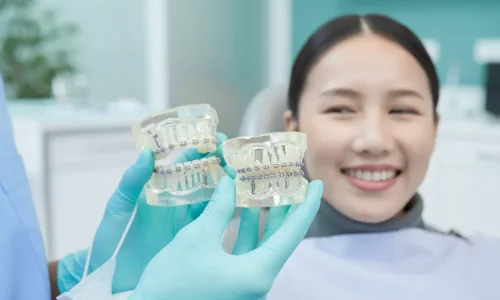
A guide explaining the differences and similarities between ceramic and metal braces for orthodontic treatment.
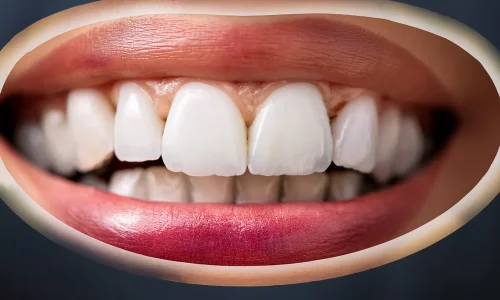
How is the perfect size and shape of your new teeth determined? Take a deep dive into Digital Smile Design (DSD) and the critical role of fundamental tooth proportions, including the Golden Ratio, width-to-height ratio, and aesthetic harmony in achieving your ideal smile.
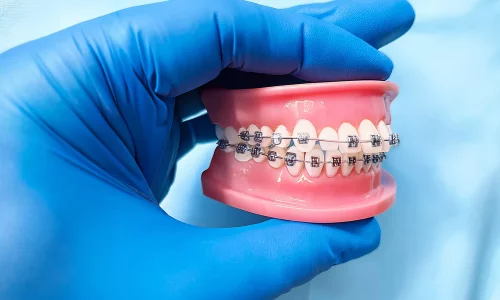
How do teeth move during orthodontic treatment (braces/Invisalign)? Learn the biology of tooth movement, how the bone and surrounding tissues (periodontal ligament) around the tooth root remodel, and the role of continuous light forces.
Milim Dental Hospital isn't just a clinic—it's where confident smiles begin. With a team of world-class specialists, advanced technology, and a patient-first approach, we turn dental care into a premium experience.
We prioritize hygiene, comfort, and tailor-made treatments designed just for you. Don’t just take our word for it—explore real stories from real patients.
Your perfect smile starts here. Join the Milim experience.


Milim Dental Hospital provides comprehensive dental services in a spacious 1,000 m² facility, supported by a wide team of dental professionals including specialists in Oral and Maxillofacial Surgery, Prosthodontics, Orthodontics, Pediatric Dentistry, and Periodontology.