
English
Big Sale – Last Days for 20% Off!
83HOUR 13MINUTE 34SECOND
Thumb Sucking and Pacifier Use

Thumb Sucking and Pacifier Use

8 December Mon, 2025

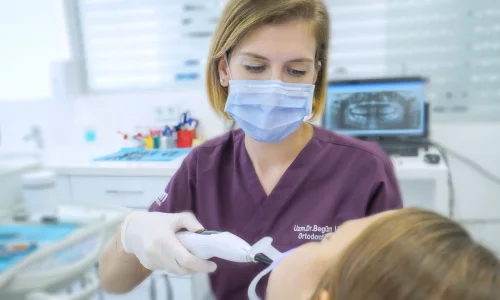
Dr. Begüm Ulaşan from Milim Dental Bursa Explains

Few behaviors appear as natural as a newborn baby instinctively sucking their thumb. Similarly, a pacifier is a "savior" for most families, both calming the baby and acting as a small aid to ease the transition to sleep.

But when is it natural, and when does it become harmful?

Request a Free Treatment Plan from Our Expert Doctors

How do thumb sucking and pacifier use affect dental structure, jaw development, and orthodontics? What is the answer to the question, "Will they quit or not, and when should I intervene?"

In this comprehensive article, especially for families living in Bursa, we will discuss thumb sucking and pacifier use in all aspects, based on the clinical approach of orthodontic specialist Dr. Begüm Ulaşan from Milim Dental Bursa.

1. Why Do Babies Suck Their Thumb and Want a Pacifier?

Babies possess the thumb-sucking reflex even while still in the womb. The main reasons for this behavior are:

  1. Sucking reflex (a vital reflex for feeding).
  2. Self-soothing and a sense of security.
  3. Ease of falling asleep.

Therefore, in the first months of life:

  1. Thumb sucking,
  2. Seeking a pacifier,
  3. Non-nutritive sucking at the mother's breast (for comfort, not feeding)

are completely natural and expected.

The Milim Dental Bursa team and Dr. Begüm Ulaşan generally view thumb sucking and pacifier use around the first year of life not as pathological but as a developmental process.

The crucial question is: How long does this habit continue, and does it affect the teeth and jaw structure?

2. Up to What Age is Thumb Sucking and Pacifier Use Normal?

Every child is different; some love pacifiers, while others never accept them. Some children quit quickly, while others cannot relax without sucking until age 4 or 5.

According to the general pediatric and orthodontic approach:

  1. Ages 0–2: Thumb sucking and pacifier use are largely considered normal. Jaw and dental development are still very flexible during this period, and the likelihood of permanent damage is low.
  2. Ages 2–3: It is advisable to start gradually reducing the habit. Limiting use, especially during the day (such as only for falling asleep), is important.
  3. After Age 3: If thumb sucking and intense pacifier use continue, permanent effects on jaw development and tooth alignment begin to emerge. This period must be closely monitored, especially from an orthodontic and pediatric dentistry perspective.

Dr. Begüm Ulaşan at Milim Dental Bursa strongly recommends an orthodontic evaluation for children who are 3–4 years old and still intensively suck their thumb or constantly carry a pacifier, specifically looking at:

  1. Jaw closure (occlusion).
  2. Position of the front teeth.
  3. Palate structure.

3. How Do Thumb Sucking and Pacifier Use Affect the Teeth?

The harm of these habits depends on how often, how strongly, and how long they persist.

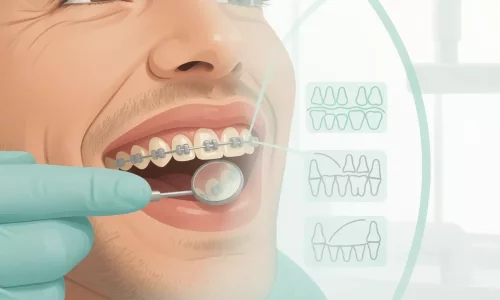
3.1. Open Bite

When the thumb or pacifier remains between the upper and lower front teeth for a long time:

  1. The upper and lower front teeth cannot touch each other.
  2. A gap remains between the front teeth even when the child closes their mouth.

This condition is called "open bite."

Symptoms:

  1. The child struggles to tear food with their front teeth when biting.
  2. A clear opening is visible between the front teeth when smiling.
  3. Lisping or difficulty pronouncing certain sounds (especially "s," "z," "sh") may occur.

3.2. Protrusion of the Upper Front Teeth

The continuous application of forward force on the upper front teeth from the thumb, pacifier, or prolonged bottle/breast sucking can lead to protrusion.

The Result:

  1. The upper front teeth appear to stick out.
  2. The distance between them and the lower front teeth widens.
  3. The risk of fracture increases in case of trauma (fall, impact).

Bursa orthodontist Dr. Begüm Ulaşan frequently sees the protrusion of upper incisors in children with a history of thumb sucking and emphasizes to the family that the habit must be managed.

3.3. Upper Jaw Narrowing and High Palate

When the thumb constantly presses towards the center of the palate:

  1. The palate arch may grow upward (high-arched palate).
  2. The upper jaw can narrow (forming a V-shaped narrow upper jaw).

This situation can lead to:

  1. Lack of space and crowding in the teeth.
  2. The lower teeth passing outside the upper teeth in some areas (crossbite).

3.4. Lower-Upper Lip and Jaw Relationship

Thumb sucking and pacifier use can:

  1. Disrupt lip closure.
  2. Alter the muscle tone of the upper lip.
  3. Affect the functional position of the lower jaw.

In the long term:

  1. The lower jaw may appear recessed.
  2. Aesthetic imbalances in the profile may occur.
  3. The smile line may be disrupted.

4. When Does Thumb Sucking / Pacifier Use Become an Orthodontic Issue?

Not every child who sucks their thumb will need orthodontic treatment. However, if certain signs are present, the issue is no longer just "a habit" but becomes a matter of dental and jaw health.

Warning signs that Milim Dental Bursa and Dr. Begüm Ulaşan recommend paying attention to:

  1. When the child closes their mouth, the front teeth do not touch, and a gap remains.
  2. The upper front teeth are noticeably protruding.
  3. Teeth look cramped or crowded.
  4. The jaw appears to be shifted sideways.
  5. The child lisps when speaking certain sounds.
  6. The child is 4–5 years old and still sucks their thumb at every opportunity or cannot sleep without a pacifier.

An orthodontic examination must be performed.

5. Thumb Sucking–Pacifier and Orthodontic Evaluation at Milim Dental Bursa

Dr. Begüm Ulaşan at Milim Dental Bursa follows these steps when evaluating a child with a thumb sucking / pacifier habit:

5.1. Detailed History Taking

  1. How long has the child been sucking their thumb?
  2. Is it only at night, or during the day too?
  3. Is the pacifier used only when sleeping, or is it in the mouth all day?
  4. Does the child have other habits (tongue thrust, nail biting, pencil chewing, etc.)?
  5. Has the family tried to stop the habit before, and what were the experiences?

This information is crucial for understanding the severity of the habit and the child's motivation.

5.2. Clinical Examination

  1. The child's facial profile, lip closure, and nasal breathing are evaluated.
  2. The upper-lower jaw relationship and the presence of jaw narrowness are checked.
  3. The bite is examined: is there an open bite, crossbite, or deep bite?
  4. If necessary, X-rays (panoramic/cephalometric) are taken to examine the tooth roots and bone structure.

5.3. Risk Analysis and Planning

Based on the examination, Dr. Begüm Ulaşan seeks answers to these questions:

  1. How much will this habit disrupt dental and jaw development if it continues?
  2. Does it currently require orthodontic treatment, or is stopping the habit enough?
  3. If necessary, when and what kind of orthodontic appliances should be used?

In some children, only stopping the habit and regular follow-up is sufficient.

In other children, orthodontic appliances are needed to both help break the habit and correct the jaw and dental relationship.

6. Advice for Families During the Process of Quitting Thumb Sucking / Pacifier Use

Quitting thumb sucking and pacifier use can sometimes be harder than dental treatment itself. This is because it is a "comfort tool" where the child feels emotionally secure. Taking it away abruptly can cause anxiety, anger, and resistance.

Recommendations from Milim Dental Bursa and Dr. Begüm Ulaşan for families:

6.1. Set Age-Appropriate, Realistic Goals

  1. Ages 0–2: No need to insist on quitting; merely observing the duration of use is sufficient.
  2. Ages 2–3: Reducing daytime use and limiting it to only falling asleep is a good start.
  3. After Age 3: It is time to set a goal for quitting.

6.2. Reduce Gradually Instead of Cutting Off Everything at Once

For the pacifier, for example:

  1. First, allow use only inside the house, not outside.
  2. Then, allow use only in the bedroom, before sleep.
  3. In the final stage, gently remove the pacifier from the mouth once the child falls asleep.

For thumb sucking:

  1. You can narrow the focus by telling the child they can suck their thumb only when they go to bed and are close to falling asleep, not while watching a movie on the couch.
  2. Then, you can replace the pre-sleep routine with another ritual (reading a book, massage, cuddling).

6.3. Use Positive Motivation, Not Punishment

Instead of saying, "You're big now, the pacifier doesn't suit you," it is more effective to say, "Look how your teeth are growing as you get bigger; now we can choose a healthier path for them." You can prepare a "calendar" with small symbolic rewards for every day the child quits.

Dr. Begüm Ulaşan in Bursa always recommends that families use a supportive, non-judgmental language. Shaming, mocking, or threatening the child may suppress the behavior in the short term but can damage the relationship of trust in the long term.

6.4. Don't Hesitate to Seek Professional Support if Necessary

Some children:

  1. May have a more anxious nature.
  2. May experience separation anxiety from the parent.
  3. May view thumb sucking and the pacifier as a psychological "security object."

In this case, a softer and more structured program may be needed, in collaboration with a pedagogue, child psychologist, orthodontist, and pediatric dentist.

7. Can Orthodontic Appliances Help Break Thumb Sucking?

Yes.

Especially in the 4–6 age range, if thumb sucking persistently continues and visible deterioration of the teeth has begun, habit-breaking orthodontic appliances can be utilized.

These appliances:

  1. Are small devices fixed to the upper palate.
  2. Mechanically make the thumb-sucking movement difficult.
  3. Help increase the child's self-awareness.

Dr. Begüm Ulaşan at Milim Dental Bursa uses these types of appliances not for every child, but as a tool when:

  1. All motivational methods have been attempted with the family.
  2. The habit is significantly damaging the dental and jaw structure.
  3. The child says, "I want to quit, but I'm struggling."

The appliance:

  1. Is not a miracle cure on its own.
  2. Can become a very effective support tool through the cooperation of the family, child, and dentist.

8. Is Orthodontic Treatment Necessary After Thumb Sucking / Pacifier Use?

Not always, but often yes.

If:

  1. An open bite has developed.
  2. The upper front teeth are too protruded.
  3. The upper jaw has narrowed, and the teeth have become crowded.

Stopping the habit alone may not be enough. In this case, orthodontic braces or clear aligner treatment may become necessary.

Bursa orthodontist Dr. Begüm Ulaşan determines the timing of the treatment by evaluating:

  1. The child's age.
  2. Growth potential.
  3. Severity of the malocclusion.
  4. Capacity for cooperation from the family and child.

In some situations:

  1. Upper jaw expansion and early orthodontic intervention around ages 8–10 may be needed.
  2. A second corrective treatment may be required during adolescence.

But remember: Early recognition and management of the thumb sucking and pacifier habit can make the required orthodontic treatments later on much easier, shorter, and more comfortable.

9. Conclusion: Thumb Sucking and Pacifier Use are Not "Innocent" but a Process that "Needs Management"

In summary:

  1. Thumb sucking and pacifier use are natural and understandable behaviors in the early years.
  2. However, when they persist beyond age 3, they become a habit that can affect dental structure, jaw development, and speech.
  3. Orthodontic problems such as open bite, protrusion of the upper front teeth, upper jaw narrowing, and crowding are closely linked to these habits.

Milim Dental Bursa and orthodontic specialist Dr. Begüm Ulaşan treat thumb sucking and pacifier use not as a "mistake" to be blamed, but as a process that can be managed with the right information and the right timing.

If:

  1. Your child is past age 3–4 and still sucks their thumb intensively or cannot sleep without a pacifier.
  2. You notice an open bite, protrusion, or crowding in their teeth.
  3. You have concerns about their smile and jaw structure.

Scheduling an orthodontic examination with Dr. Begüm Ulaşan in Bursa will be a very valuable step for your child's future smile.

Remember: Conscious precautions taken at an early age lay the foundation for a healthier and more beautiful smile later on. You don't have to manage the thumb sucking and pacifier process alone; Milim Dental Bursa and its expert team can be by your side on this journey.


Category: Orthodontics

A Milim
Makes a Big Difference

Milim Dental Hospital is the first dental centre to receive the "Health Tourism Authorisation Certificate" issued by the Ministry of Health of the Republic of Turkey.
All Articles
What is All-on-X and How Does It Differ from All-on-4?
east

All-on-X is a customizable full-arch dental implant technique that uses more than four implants based on your individual jaw structure and needs. It offers greater stability and flexibility than All-on-4, making it ideal for complex cases with bone loss or bite challenges.

When Should Impacted Teeth Be Extracted?
east

Bursa Oral Surgeon Dr. Ali Direnç explains the necessary timing for impacted tooth extraction, particularly wisdom teeth. Learn about early intervention and the ideal age for extraction to prevent risks like cysts, infection, and damage to adjacent teeth, even if there is no pain.

Why Milim Dental Is the Best Choice for Dental Treatment in Turkey
east

Choosing the right clinic for dental treatment abroad is not just about price—it’s about trust, expertise, and the overall experience. Located in the historic city of Bursa, Milim Dental offers international patients the perfect blend of high-quality care, transparency, and personal attention.

Why Patients
Choose Milim?

Milim Dental Hospital isn't just a clinic—it's where confident smiles begin. With a team of world-class specialists, advanced technology, and a patient-first approach, we turn dental care into a premium experience.
We prioritize hygiene, comfort, and tailor-made treatments designed just for you. Don’t just take our word for it—explore real stories from real patients.
Your perfect smile starts here. Join the Milim experience.


View All Experiences
play_arrow
Dt. İsmail Özkısaoğlu Dentist
Get a Free Consultation
play_arrow
Dr. Dt. Ali Direnç Ulaşan Oral, Dental, Maxillofacial Surgeon
Get a Free Consultation
play_arrow
Dr. Dt. Ali Direnç Ulaşan Oral, Dental, Maxillofacial Surgeon
Get a Free Consultation

Milim Dental Hospital provides comprehensive dental services in a spacious 1,000 m² facility, supported by a wide team of dental professionals including specialists in Oral and Maxillofacial Surgery, Prosthodontics, Orthodontics, Pediatric Dentistry, and Periodontology.

Our clinic is authorized by the Turkish Ministry of Health for International Health Tourism. This website is intended only for informing patients from abroad. It does not contain advertisements and complies with legal privacy regulations.
Milim Dental Hospital © 2025 - All rights reserved.

Have a Question on Your Mind?

At Milim Dental Hospital, we accept a maximum of 10 international patients per month. This allows us to provide each patient with personalized care and the highest quality of treatment. Let us know how we can help you!

Would you like to see real patient results? Feel free to explore our Case Gallery!

English
Big Sale – Last Days for 20% Off!