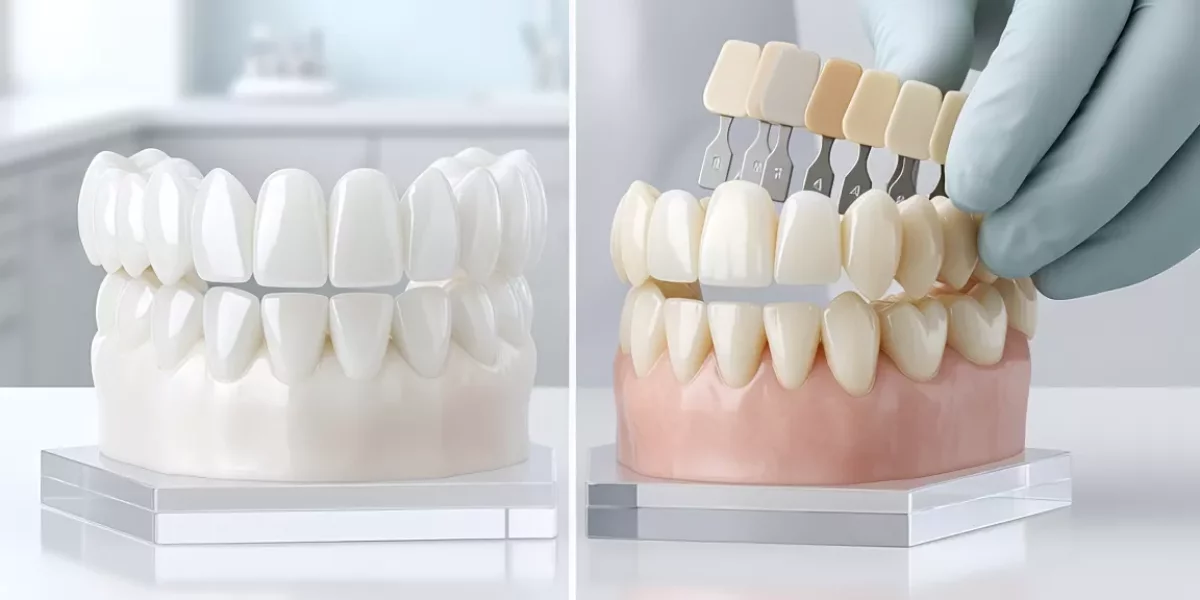
Natural veneers don’t look “perfect”—they look believable. For Dutch patients seeking natural looking veneers in Turkey, the key factors are proportions, surface texture, translucency, and a bite that feels comfortable. At MilimInternational, natural design starts with facial and lip dynamics, then uses a preview to confirm shape before final fabrication. Artificial results often come from over-bulky thickness, flat surfaces, overly white shade, and poor edge transitions. Natural veneers typically include subtle surface texture and controlled light reflection so they look real in daylight—important when you return to the Netherlands. Another major factor is margin design: healthy gum contours and clean emergence profile prevent “fake” appearance. When aesthetics are built on biology and function, the result looks premium—not manufactured.
FAQ 2.2 — Can I choose a natural shade instead of ultra-white?
Yes—and many Netherlands patients prefer it. A natural shade is often more timeless, easier to maintain, and looks better in varied lighting. At MilimInternational, shade selection is a guided decision: you choose the aesthetic direction (natural / bright-natural / very bright), then the clinic matches material and translucency to deliver that look without flatness. Ultra-white can look artificial if it ignores skin tone, age, and lip dynamics. Natural shades also reduce the risk of visible mismatch if surrounding teeth change over time. The best approach is to test shade at try-in, confirm in neutral lighting, and ensure the shade supports your lifestyle (coffee, tea, staining habits). Choosing a natural shade is not “less premium”—it’s often the most sophisticated option.
FAQ 2.3 — How do texture and translucency affect realism?
Texture and translucency are the difference between “white teeth” and “real teeth.” Natural enamel reflects light with micro-texture; it isn’t glass-smooth. Translucency at the incisal edge adds depth so teeth don’t look chalky or plastic. At MilimInternational, the lab brief for Dutch patients typically includes a shade map, surface texture targets, and edge translucency control so the result looks natural in Netherlands daylight. Over-polished, flat surfaces reflect light unnaturally and can make teeth look fake on photos. Proper texture also helps hide small imperfections that the eye expects in real teeth. Realism is engineered—not guessed—through design, material choice, and finishing quality.
FAQ 2.4 — Does bite planning matter for aesthetics and comfort?
Absolutely. Aesthetic dentistry that ignores bite is high risk. If the bite overloads the front edges, veneers can chip; if the bite feels unstable, patients may feel tension or discomfort. At MilimInternational, bite planning is integrated into smile design: how teeth meet, how they guide movement, and where forces concentrate. For Netherlands patients traveling back home, comfort matters because you’ll be using your bite daily under normal life conditions. Bite planning also affects sound and speech; subtle changes in tooth length and edge position can change phonetics. A clinic that checks bite carefully and adjusts design accordingly is protecting both beauty and longevity.
FAQ 2.5 — Are veneers always better than crowns for a smile makeover?
Not always. Veneers are often more conservative when the tooth structure is healthy and the change is mainly cosmetic (shape/color). Crowns may be indicated when teeth are heavily filled, cracked, root-canal treated, or structurally weak. At MilimInternational, the decision is case-based and explained clearly to Netherlands patients: the goal is to preserve tooth structure while ensuring long-term stability. Choosing crowns when veneers are sufficient can be unnecessarily aggressive; choosing veneers when a tooth needs full coverage can create fracture risk. The right choice is the one that matches tooth biology, bite forces, and durability requirements.
FAQ 2.6 — How do you maintain a natural smile long term?
Long-term maintenance is what keeps natural veneers looking natural. At MilimInternational, Netherlands patients are guided on daily gumline brushing, interdental cleaning, stain-control habits, and periodic dental checks. Avoid using teeth as tools, be mindful with hard foods, and manage clenching if present. If you grind at night, protective strategies may be recommended. Also, keep aesthetics realistic: natural smiles age gracefully; ultra-white may look less natural over time. Maintenance is not complicated—it’s consistent. A clinic that teaches maintenance clearly is a clinic that plans for longevity, not just delivery.
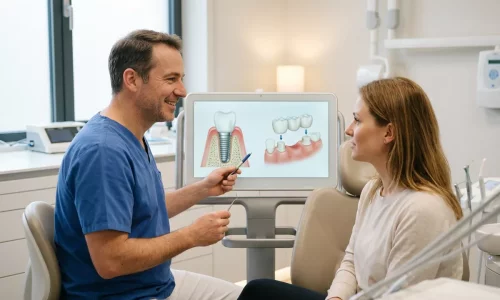
Deciding between an implant or a bridge? Learn the key differences to find the most suitable and lasting dental solution.
Explore how we plan veneers, from custom mock-ups to final bonding, for a personalized and radiant dental transformation.
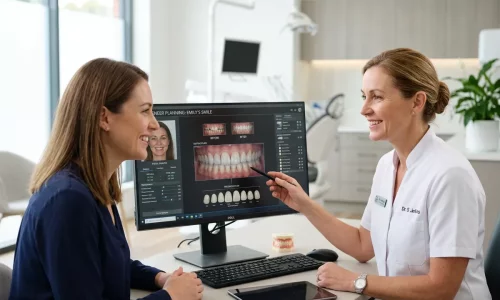
Achieving a Hollywood Smile involves personalized cosmetic treatments, including teeth whitening, veneers, bonding, and possibly crowns or implants. The process ensures a stunning, symmetrical smile tailored to your needs, boosting your appearance and confidence over several visits.
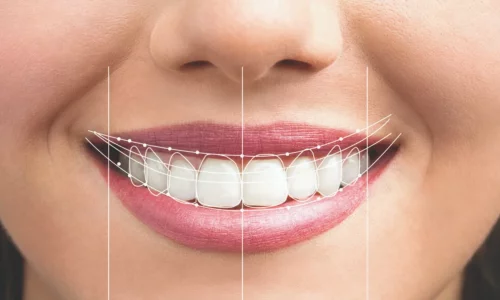
Milim Dental Hospital isn't just a clinic—it's where confident smiles begin. With a team of world-class specialists, advanced technology, and a patient-first approach, we turn dental care into a premium experience.
We prioritize hygiene, comfort, and tailor-made treatments designed just for you. Don’t just take our word for it—explore real stories from real patients.
Your perfect smile starts here. Join the Milim experience.
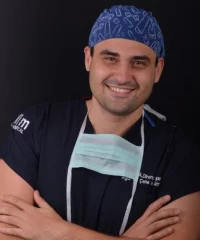

Milim Dental Hospital provides comprehensive dental services in a spacious 1,000 m² facility, supported by a wide team of dental professionals including specialists in Oral and Maxillofacial Surgery, Prosthodontics, Orthodontics, Pediatric Dentistry, and Periodontology.