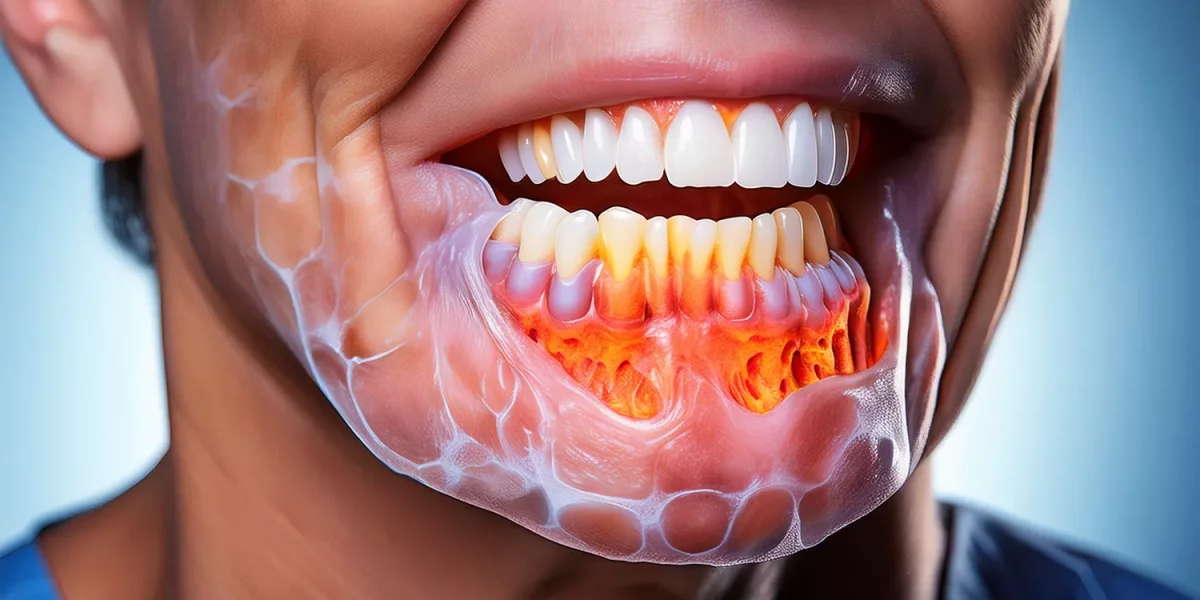
When people think about cancer, they often think of the lungs, breast or colon. Yet oral cancer – cancer that occurs in the mouth and surrounding structures – is more common than many realize. Because it can be silent in the early stages, mouth cancer is often diagnosed late, when treatment becomes more complex and the impact on speaking, eating and appearance is much greater.
In this article, we will explain what oral cancer is, the most important oral cancer symptoms, major risk factors and how regular oral cancer screening with a dentist or oral & maxillofacial surgeon can literally save lives.
Oral cancer (mouth cancer) refers to malignant tumours that develop in any part of the mouth, including:
Lips
Tongue
Inner cheeks
Gums
Floor of the mouth (under the tongue)
Hard palate (roof of the mouth)
The back of the mouth near the throat
Most oral cancers are squamous cell carcinomas, arising from the thin, flat cells lining the mouth. Just like other cancers, oral cancer starts with genetic changes in cells that cause them to grow uncontrollably and invade surrounding tissues.
The good news is that when oral cancer is detected early, the chances of successful treatment and survival increase dramatically. This is why awareness of mouth cancer symptoms and regular check-ups are so important.
Oral cancer does not always cause pain in the early stages. Some changes may look small or harmless, which is why they are easy to ignore. However, any of the following oral cancer symptoms should be taken seriously, especially if they last longer than two to three weeks:
A sore on the lip, tongue or inside the mouth that does not heal
Ulcers that bleed easily or keep coming back
White patches (leukoplakia) or red patches (erythroplakia) on the tongue, gums or inner cheeks
Mixed red-and-white areas that look unusual compared to the rest of the tissue
These patches are not always cancer, but they can be precancerous changes that require careful monitoring or biopsy.
A lump, bump or area of thickened tissue in the tongue, cheek, gum or lip
Swelling in the jaw or neck that does not go away
Persistent pain in the mouth, jaw or ear without a clear cause
Numbness or tingling of the tongue or lips
Burning sensation in a specific area of the mouth
Difficulty chewing or swallowing
Feeling that food is sticking in the throat
Changes in speech, such as a lisp or difficulty moving the tongue
Teeth becoming loose without gum disease
Dentures suddenly not fitting properly
If you notice any of these mouth cancer symptoms, you should see a dentist or oral & maxillofacial surgeon as soon as possible. Early oral cancer screening is simple, quick and may identify problems before they become advanced.
Oral cancer does not have a single cause. Usually, several risk factors act together over time. The most important are:
Cigarettes, cigars, pipes, shisha (hookah)
Chewing tobacco and other smokeless tobacco products
Tobacco is the strongest risk factor for oral cancer. The chemicals in tobacco smoke and juices damage the DNA of cells in the mouth and throat.
Heavy and long-term alcohol intake also increases the risk of mouth cancer. When alcohol and tobacco are used together, the risk is multiplied – much higher than using either alone.
Certain types of HPV, a common virus transmitted by intimate contact, are linked to cancers in the back of the mouth and throat (oropharyngeal cancers). HPV-related cancers may occur even in people who do not smoke or drink.
For people who work or spend long hours outdoors, chronic sun exposure without protection can increase the risk of lip cancer, especially on the lower lip.
Diets low in fruits and vegetables
Conditions or medications that weaken the immune system
These factors can make it harder for the body to repair damaged cells and fight early cancer changes.
An oral cancer screening is a simple examination performed by a dentist or oral & maxillofacial surgeon. It usually includes:
A thorough look at the lips, gums, tongue, inner cheeks, palate and throat
Gently feeling for lumps, swellings or areas of thickened tissue
Checking the neck and jaw for enlarged lymph nodes
If the clinician sees a suspicious lesion or patch that does not look normal, they may recommend:
Photographic documentation and short-term follow-up
Biopsy (taking a small tissue sample) to determine if the cells are normal, precancerous or cancerous
The entire process is usually quick and can be done during a routine dental visit. Many patients do not realize that every time they sit in the dental chair, they have an opportunity for early oral cancer detection – if the clinic is thorough.
While not all cases can be prevented, you can significantly reduce your risk of oral cancer by:
Quitting smoking and avoiding all tobacco products
Limiting alcohol intake, especially heavy daily use
Protecting your lips from the sun with SPF lip balms and hats
Eating a balanced diet rich in fresh fruits and vegetables
Visiting your dentist regularly for oral cancer screening and professional examination
Seeking prompt evaluation if you notice any persistent oral cancer symptoms
If you already have risk factors, regular check-ups become even more crucial. Detecting changes at an early, treatable stage is far easier than managing advanced cancer.
If you notice a sore, patch, lump or other change in your mouth that does not heal within two to three weeks, do not wait. Make an appointment with a dentist or an oral & maxillofacial surgeon who has experience in diagnosing and managing oral lesions.
Early evaluation does not always mean bad news. Many lesions are benign, but only a professional examination – and sometimes a biopsy – can provide a safe answer. In the small number of cases where oral cancer is diagnosed, early treatment offers the best chance for cure and a better quality of life.
By being aware of oral cancer symptoms, understanding the risk factors and committing to regular oral cancer screening, you are taking powerful steps to protect your health, your smile and your future.
A guide explaining the refinement process in Invisalign treatment and when additional aligners may be needed.
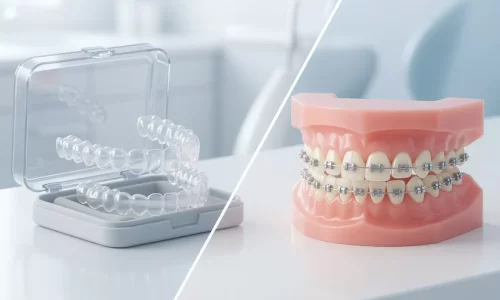
A guide comparing aligners and braces for bite correction and overall treatment effectiveness.
Dental veneers offer numerous benefits, including aesthetic improvement, durability, and minimal invasiveness. They provide quick, long-lasting results that enhance your smile's brightness, straightness, and overall appearance, boosting your confidence and self-esteem.
Milim Dental Hospital isn't just a clinic—it's where confident smiles begin. With a team of world-class specialists, advanced technology, and a patient-first approach, we turn dental care into a premium experience.
We prioritize hygiene, comfort, and tailor-made treatments designed just for you. Don’t just take our word for it—explore real stories from real patients.
Your perfect smile starts here. Join the Milim experience.


Milim Dental Hospital provides comprehensive dental services in a spacious 1,000 m² facility, supported by a wide team of dental professionals including specialists in Oral and Maxillofacial Surgery, Prosthodontics, Orthodontics, Pediatric Dentistry, and Periodontology.