Many patients hear,
“Your 20-year molars (wisdom teeth) must be removed,”
but they are not told why, when, or what happens if they wait.
Some people never have any problems with their wisdom teeth. Others suffer from repeated infections, pain, swelling, bad breath and even damage to the tooth in front. The key question is:
When is the right time to remove wisdom teeth – and when can they stay?
In this article, we will explain, in clear language:
What wisdom teeth are and why they cause problems
The ideal age and timing for removal
Situations where early removal is strongly recommended
Cases where wisdom teeth can be monitored instead of removed
What happens if problematic wisdom teeth are left too long
How wisdom teeth removal is planned and performed at a modern oral surgery clinic
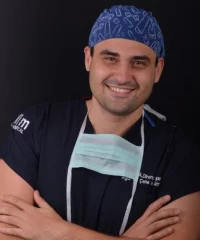
This text is written in a patient-friendly but medically accurate way by an oral & maxillofacial surgery team at Milim Dental, Bursa, Turkey led by Dr Ali Direnç Ulaşan.
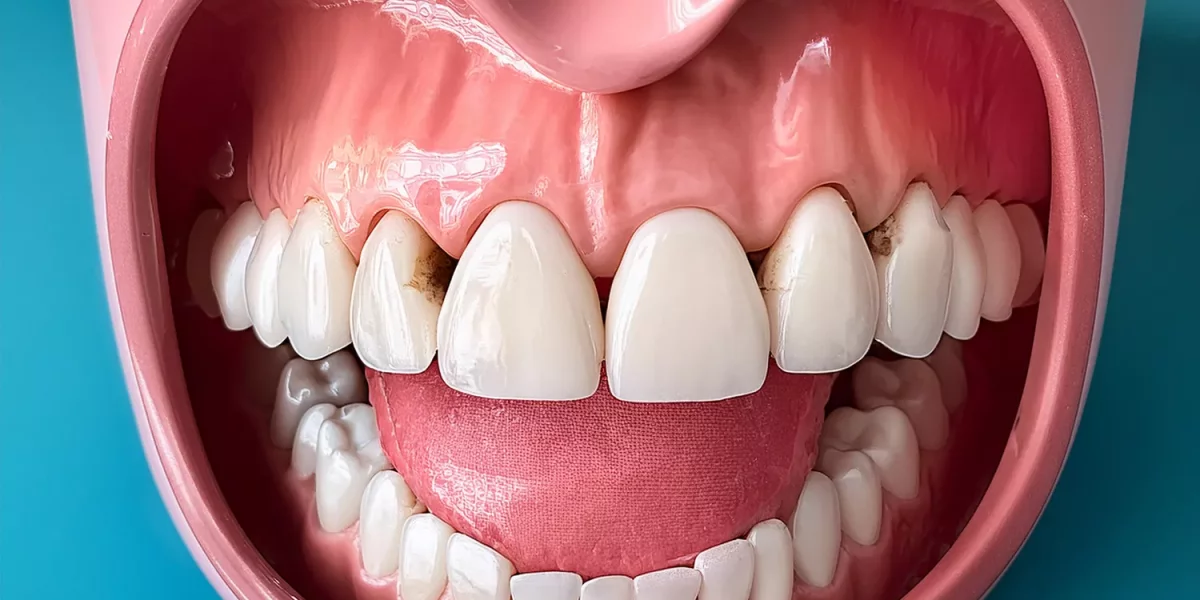
Wisdom teeth, also called 20-year molars or third molars, are the last permanent teeth to appear in the mouth.
There are usually four wisdom teeth:
Two in the upper jaw (left and right)
Two in the lower jaw (left and right)
They normally try to erupt between 17 and 25 years of age.
In many modern jaws, there is not enough space for these last teeth.
When there is not enough room, wisdom teeth may become:
Impacted (stuck in the bone or under the gum)
Partially erupted (a small part is visible, the rest is still under the gum)
Misaligned (pushing against the tooth in front, leaning forward or sideways)
Impacted or partially erupted wisdom teeth are the ones that most often require removal.
No. This is one of the most important points.
Not every wisdom tooth must be extracted. If a wisdom tooth:
Has fully erupted in the correct position
Can be cleaned easily (brushing and flossing)
Does not cause pain, infection or damage
Does not threaten the second molar (the tooth in front)
then it may be perfectly safe to keep the tooth and just monitor it regularly with your dentist.
However, many wisdom teeth do not meet these criteria.
The main question is not “Do all wisdom teeth need removal?” but:
Does this specific wisdom tooth have a high risk of causing problems now or in the near future?
This risk assessment should be done by an experienced oral & maxillofacial surgeon using a clinical examination and radiographs (panoramic X-ray or CBCT).
In general, the ideal period for wisdom tooth extraction is:
Between 17 and 25 years of age,
after the roots have formed enough to hold the tooth, but before they become fully curved and close to vital structures.
Why earlier is often better:
Younger bone is more flexible
Easier surgical access
Less trauma to surrounding tissues
Healing is faster and smoother
Swelling, pain and recovery time are usually less in younger patients
Lower risk of complications such as:
Nerve injury
Delayed healing
Fracture in very thin or fragile bone in older age
This does not mean that wisdom teeth cannot be removed after 25 or 30. They can. But if we know, from X-rays and clinical examination, that a wisdom tooth is very likely to cause problems, removing it earlier is usually safer and easier.
Below are the most common and widely accepted indications for wisdom tooth extraction.
A partially erupted wisdom tooth is often covered by a piece of gum tissue called an operculum. Food and bacteria easily get trapped under this flap, leading to:
Swelling
Redness
Pain when biting
Difficulty opening the mouth
Bad taste or bad breath
Sometimes even fever and general malaise
This condition is called pericoronitis (infection around the crown of the tooth).
If:
You have had repeated episodes of infection, or
The infection does not fully resolve, or
It affects your daily life (eating, speaking, swallowing),
then removal of the wisdom tooth is strongly recommended. Recurrent pericoronitis is not something that will simply “stop happening” as you get older.
Sometimes the wisdom tooth is angled forward and constantly pushes against the second molar. This can cause:
Deep cavities at the back of the second molar
Loss of bone attachment between the teeth
Local gum disease and bone pockets
If left untreated, you might lose a healthy second molar, not just the wisdom tooth.
On the panoramic X-ray, if we see:
Resorption (wearing away) of the second molar root
Deep decay that cannot be restored easily
Significant bone loss between the two teeth
then removing the wisdom tooth is urgent to protect the valuable second molar.
Impacted wisdom teeth can sometimes be associated with cysts or, more rarely, tumours. These lesions may silently grow inside the jaw bone and cause:
Bone expansion
Thinning and weakening of the jaw
Displacement of neighbouring teeth
Numbness if nerves are affected
Such pathology is usually seen on panoramic X-ray or CBCT scans.
If a cyst or other lesion is present or suspected, the wisdom tooth must be removed and the lesion treated—often by an oral & maxillofacial surgeon in a controlled surgical setting.
In some cases, wisdom teeth are removed:
Before or during orthodontic treatment, to
create space
prevent relapse of crowded teeth
improve long-term stability of the bite
Before prosthetic work (bridges, implants, full-mouth rehabilitation), if:
the wisdom tooth is poorly positioned
it could interfere with future restorations
or it poses a risk for peri-implant or periodontal problems
Your orthodontist and oral surgeon should plan together whether wisdom teeth should be removed as part of the overall treatment strategy.
Sometimes wisdom teeth do come out properly but are:
Very far back
Hard to clean
Heavily decayed
Because of their position, root shape and access difficulty, restoring wisdom teeth with fillings or crowns is often complicated and has a poor long-term prognosis.
If:
The decay is extensive
The tooth is broken down to the gum level
You cannot keep it clean
then extraction is usually a better, more predictable option than attempting complex restorations.
In some patients, impacted wisdom teeth can contribute to:
Vague, deep pain at the back of the jaw
Pressure sensation behind the last molars
Cheek biting or trauma
Occasionally, mechanical interference with the bite or jaw movement
After a full examination and exclusion of other causes, removal of the wisdom teeth may help relieve these symptoms.
Not every wisdom tooth that is impacted needs to be removed immediately. In the following scenarios, careful monitoring may be a reasonable option:
The tooth is fully impacted in bone,
It is not pressing on the second molar,
There is no cyst or lesion around it,
The patient has no symptoms (no pain, no infection, no swelling),
Regular X-rays are taken to ensure no changes.
In such cases, the risk of surgical complications may be higher than the risk of leaving the tooth in place. This decision must be made individually, after a detailed consultation with an oral & maxillofacial surgeon.
At Milim Dental in Bursa, our principle is:
“Remove when necessary, monitor when safe.”
We do not recommend extraction just because “it is a wisdom tooth”.
Many patients come to us asking:
“Doctor, I am 40+ years old. Is it too late to remove my wisdom teeth?”
It is not too late, but the situation is different:
Bone is denser and less flexible
Roots are fully formed and may be close to important anatomical structures (for example, the inferior alveolar nerve in the lower jaw or the maxillary sinus in the upper jaw)
Healing may be slightly slower
Some medical conditions or medications can influence surgery and recovery
In older patients, we usually:
Request detailed imaging (such as CBCT)
Plan the surgery very precisely
Evaluate general health and medications
If there is a clear indication (infection, cyst, damage to second molar, etc.), removal is still beneficial and often necessary, but must be performed by an experienced surgeon in a controlled environment.
Ignoring symptomatic or risky wisdom teeth can lead to:
Repeated infections and emergency visits
Permanent damage to the second molar
Cyst formation and bone destruction
Spread of infection into deep neck spaces in severe cases
Increased surgical difficulty and complication risk with age
Delaying necessary treatment does not make the problem disappear; it often makes the surgery more difficult and the healing slower.
At Milim Dental, under the care of Oral & Maxillofacial Surgeon Dr Ali Direnç Ulaşan, we follow a fully digital and safety-oriented workflow for wisdom tooth extraction:
Detailed Consultation
Full medical history (heart disease, diabetes, blood thinners, etc.)
Examination of the mouth and gums
Assessment of jaw opening, bite and symptoms
Digital Imaging
Panoramic X-ray for an overall view
CBCT scan when roots are close to nerves or sinus, or in complex cases
Risk Analysis & Treatment Decision
Do we remove the tooth now or monitor it?
If we remove it, is it a simple extraction or a surgical (impacted) extraction?
Do we perform it under local anaesthesia, sedation or general anaesthesia (if medical and legal conditions allow)?
Surgery with Atraumatic Technique
Gentle, tissue-respecting surgical technique
Use of modern instruments and, when appropriate, piezosurgery for precise bone work
Careful protection of nerves, sinus and adjacent teeth
Post-Operative Instructions and Follow-Up
Clear written and verbal instructions for pain control, swelling, diet and oral hygiene
Follow-up visit to monitor healing and remove sutures if necessary
Our goal is to make the experience as comfortable, predictable and safe as possible, while being fully honest about what is truly necessary.
You should strongly consider wisdom tooth extraction if:
You have recurrent pain, swelling or infection around the tooth
There is decay or bone loss affecting the second molar
A cyst or lesion is detected on X-ray or CBCT
You are planning orthodontic or complex prosthetic treatment and your specialist recommends removal
The tooth is broken, heavily decayed or impossible to clean
Your oral surgeon has identified a high risk of future problems based on your X-rays
Earlier removal (usually between 17–25 years) often means:
Easier surgery
Faster healing
Fewer complications
However, even after 30 or 40, problematic wisdom teeth can and should be removed when indicated, with careful planning by an experienced oral & maxillofacial surgeon.
If you:
Have pain or swelling behind your last molar
Have been told you have impacted wisdom teeth
Have had multiple infections in the same area
Or you simply want an honest opinion about whether your 20-year molars should be removed or kept
you should book a clinical and radiographic evaluation.
At Milim Dental, Bursa, Turkey, oral & maxillofacial surgeon Dr Ali Direnç Ulaşan and the surgical team provide:
Digital imaging,
Risk-based planning,
And modern, atraumatic wisdom tooth extraction when truly necessary.
If you’d like, in the next step I can:
Add an internal FAQ section (“Is wisdom tooth surgery painful?”, “How long is recovery?”, etc.)
Or adapt this article for a specific landing page like:
“Wisdom Tooth Extraction in Bursa, Turkey – Milim Dental International” with health tourism–focused call-to-action sections.
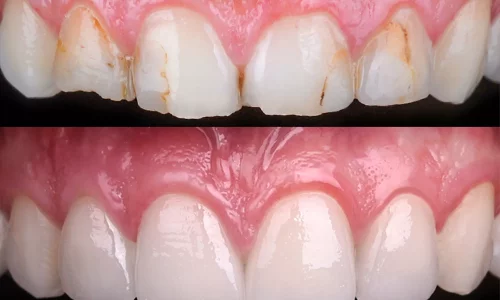
Discover the different ways to achieve a Hollywood Smile and whether veneers are always necessary.
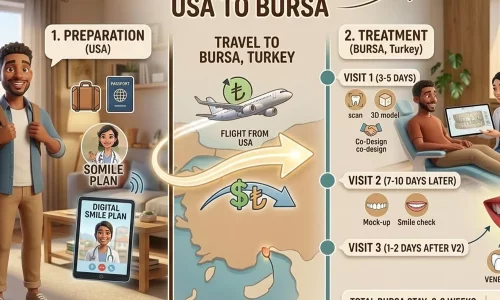
A simple travel guide explaining the timeline of Hollywood Smile treatment for patients coming from the USA.
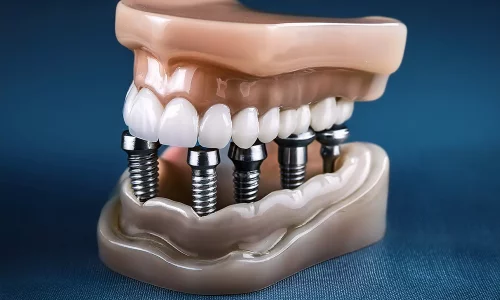
If I get implants, will my teeth be fixed (non-removable)? Compare fixed solutions (crowns, bridges) against removable implant-supported dentures and discover which permanent, functional dental implant restoration is best suited for your needs.
Milim Dental Hospital isn't just a clinic—it's where confident smiles begin. With a team of world-class specialists, advanced technology, and a patient-first approach, we turn dental care into a premium experience.
We prioritize hygiene, comfort, and tailor-made treatments designed just for you. Don’t just take our word for it—explore real stories from real patients.
Your perfect smile starts here. Join the Milim experience.

Milim Dental Hospital provides comprehensive dental services in a spacious 1,000 m² facility, supported by a wide team of dental professionals including specialists in Oral and Maxillofacial Surgery, Prosthodontics, Orthodontics, Pediatric Dentistry, and Periodontology.