How Do You Decide the Size of My Teeth?” A Deep Dive into Digital Smile Design and Tooth Proportions
8 December Mon, 2025
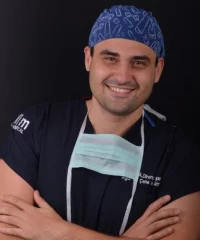
By Oral & Maxillofacial Surgeon Dr Ali Direnç Ulaşan – Clinical Director & Owner of Milim Dental, Turkey’s first Health Tourism Authorized boutique dental center
Request a Free Treatment Plan from Our Expert Doctors
One of the most common (and very smart) questions patients ask is:
“How do you actually decide the length and width of my new teeth?”
“Do you just choose a nice shape from a catalogue?”
“What does ‘design’ really mean in dentistry?”
You see terms like “digital smile design”, “smile makeover”, “veneers”, “ceramic crowns” and “implant prosthesis” everywhere online – but rarely a clear explanation of how those teeth are actually planned.
At Milim Dental, we don’t treat design as a filter or a marketing word.
For us, design = a structured, digital, medical planning process that balances:
Your face, lips and smile line
Your bite, jaw joints and chewing function
Your gum levels and bone
The materials we will use (ceramic, zirconia, implant-supported bridges, etc.)
In this article, I will answer your question step by step:
How do we determine the size and shape of your teeth?
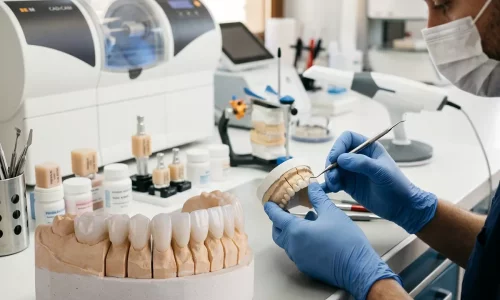
What is the role of digital systems like scanners, photos, software and 3D planning?
What does “smile design” really mean – beyond Instagram posts?
My name is Dr Ali Direnç Ulaşan, Oral & Maxillofacial Surgeon and owner of Milim Dental – a boutique, specialist-led clinic and Turkey’s first Health Tourism Authorized dental center, located about a 1-hour drive from Sabiha Gökçen Airport.
Every week, my team and I design and deliver complex smile rehabilitations, from implants and bone grafts to ceramic veneers and full mouth reconstructions.
Let’s take you inside that design process.
1. Design Is Not a Filter – It’s a Medical Plan
In social media, “design” often looks like:
A quick before/after
A hyper-white, identical smile
A filter that makes everything look perfect
In real dentistry, design is something very different:
Design is a bridge between your medical needs and your aesthetic wishes.
It is a plan that we build before we touch a single tooth.
A proper smile design answers questions like:
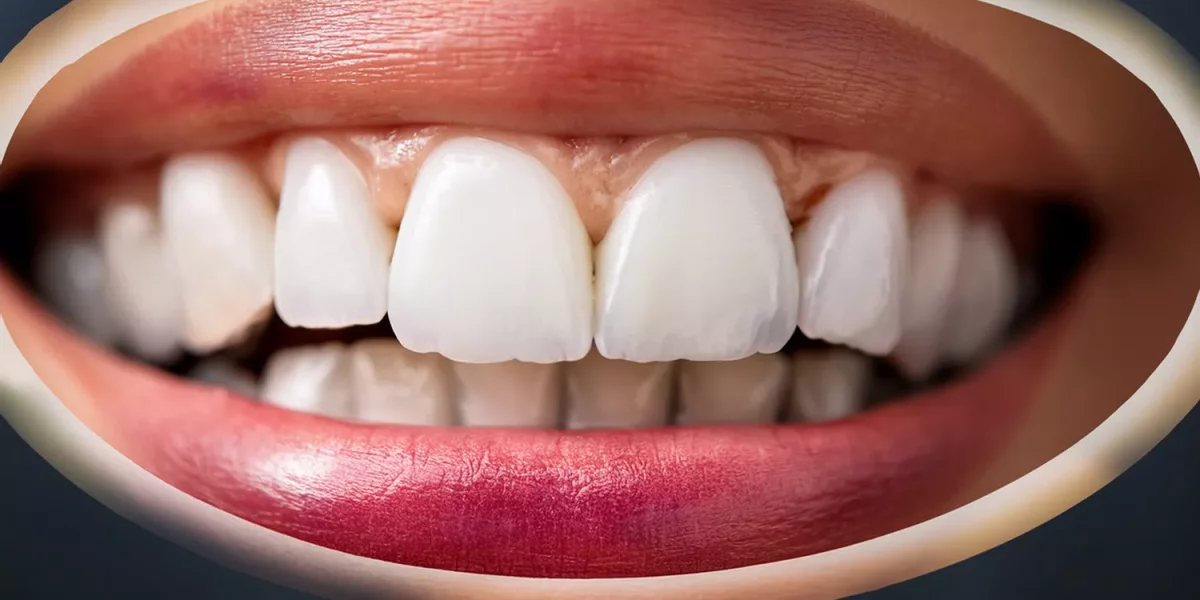
How long should your front teeth be to support your lips and smile line?
How wide should each tooth be so your smile doesn’t look too “wide” or too “narrow”?
How much tooth should show at rest (when you are not speaking)?
How do your teeth need to move when you speak and chew – and how will shapes affect that?
How can we protect your jaw joints, your implants and your bone in the long term?
So when we say:
“We will design your smile using digital systems.”
what we mean is:
We will measure your face, lips, smile and teeth
We will simulate changes on a computer
We will show you before we do anything permanent
We will test the design in your mouth with a temporary phase
And only then will we commit to the final ceramic or implant-supported restoration
2. Step One: Understanding You Before Touching Any Tooth
Tooth size is not decided in isolation.
It’s based on you as a whole person, not just a close-up of your mouth.
Cleanability (how you will brush and use special floss/brushes)
Speech (especially “S” and “F” sounds)
Lip support and facial aesthetics
Digital design allows us to:
Adjust incisor length to support the lip
Ensure there is enough space for cleaning underneath the bridge
Avoid excessively long teeth that would put implants and bone at risk
6.3. For Orthodontics and Clear Aligners
Even in non-prosthetic cases (braces or clear aligners like aligner systems), tooth size matters.
Some patients have small teeth with gaps
Others have large teeth in a small arch
Digital systems allow us to:
Measure each tooth
Predict the final tooth arrangement
Combine orthodontics with additive bonding or veneers in a controlled way
Again, design = planning how tooth dimensions will interact with jaw size and facial features.
7. Why a Surgeon-Led, Multidisciplinary, Boutique Clinic Matters for Design
You might wonder:
“Can’t any clinic just buy software and say they do digital smile design?”
Technically, yes.
But the value of digital tools depends completely on who is using them and how decisions are made.
At Milim Dental:
I lead the planning as an Oral & Maxillofacial Surgeon with deep understanding of bone, implants, grafts and jaw function
We sit together as a multidisciplinary team:
prosthodontists (restorative and aesthetic dentistry),
orthodontists,
periodontists (gum specialists),
endodontists (root canal specialists)
We are a boutique clinic, intentionally seeing fewer patients per day so that:
Each design gets the time it deserves
Each patient can ask many questions and understand their plan
Being a Health Tourism Authorized center also means:
We are set up to treat complex international cases safely
We are used to combining digital design with implant and bone graft procedures in structured phases
Our location (about 1-hour drive from Sabiha Gökçen Airport) makes it practical to integrate treatment with travel
Digital systems are powerful –
but only when combined with clinical judgement, experience and honest communication.
8. Design as a Conversation – Not a One-Click Filter
The most important thing for you to know is this:
Design is not something we “do to you”.
It is something we create with you.
Throughout the process, you are invited to:
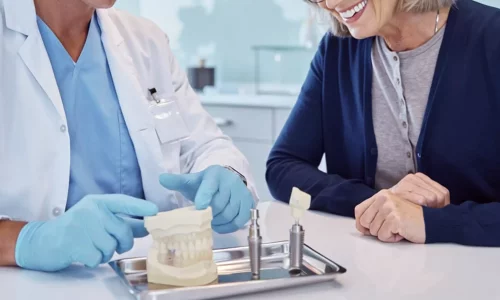
See your photos and 3D models
Understand why we suggest certain tooth lengths and shapes
Share your preferences, fears and expectations
Approve the mock-up before we move to the final restorations
We do not believe in:
Copy-paste “Hollywood smiles”
Extreme whitening that looks artificial
Over-drilling healthy teeth to fit a uniform template
We believe in:
Facially driven design – your face tells us what your smile should be, not a marketing trend
Functionally protected design – your jaw joints, implants and bone must be safe
Biologically respectful design – preserving as much natural structure as possible
9. In Summary: How We Set the Size of Your Teeth
When you ask:
“How do you decide the dimensions of my teeth?”
our answer is:
We start with you – your face, lips, smile, bite and personality.
We collect digital data – scans, photos, x-rays, CBCT.
We use digital smile design software to plan tooth size and shape in harmony with your facial proportions and functional needs.
We test the design with a mock-up in your mouth before anything final is made.
We coordinate tooth dimensions with the type of treatment you receive – veneers, crowns, implant bridges, aligners – always considering bone, implants and grafts where relevant.
We implement the design through a multidisciplinary, surgeon-led, boutique team, not through a rushed, high-volume process.
Digital systems do not replace the dentist.
They enhance our eyes and minds, allowing us to plan more precisely, communicate more clearly, and give you more control over the outcome.
If you are thinking about veneers, crowns, full-arch implant bridges, or a complete oral rehabilitation and you worry:
“Will they just make my teeth too big?”
“Will I look fake?”
“Will it feel uncomfortable?”
then the next step is not to trust a filtered before/after.
The next step is to sit down with a team that can show you, in digital detail, what design really means in your case.
Milim Dental Hospital is the first dental centre to receive the "Health Tourism Authorisation Certificate" issued by the Ministry of Health of the Republic of Turkey.
"I'm older, I have bone loss, high blood pressure, and diabetes—can I still have implants?" Learn about the special considerations, risk management, and advanced implant protocols that make dental implant treatment possible and safe for elderly patients with chronic systemic conditions.
What drives Hollywood Smile pricing? Explore the key factors, from veneer types to treatments, that affect your budget.
Why Patients Choose Milim?
Milim Dental Hospital isn't just a clinic—it's where confident smiles begin. With a team of world-class specialists, advanced technology, and a patient-first approach, we turn dental care into a premium experience. We prioritize hygiene, comfort, and tailor-made treatments designed just for you. Don’t just take our word for it—explore real stories from real patients. Your perfect smile starts here. Join the Milim experience.
Milim Dental Hospital provides comprehensive dental services in a spacious 1,000 m² facility, supported by a wide team of dental professionals including specialists in Oral and Maxillofacial Surgery, Prosthodontics, Orthodontics, Pediatric Dentistry, and Periodontology.
Our clinic is authorized by the Turkish Ministry of Health for International Health Tourism. This website is intended only for informing patients from abroad. It does not contain advertisements and complies with legal privacy regulations.
We use necessary cookies to make this website work. With your permission, we also use analytics and marketing cookies to measure performance and improve advertising.