English
Big Sale – Last Days for 20% Off!
550HOUR 52MINUTE 46SECOND
CAN I REPLACE MY OLD IMPLANTS? Revision Surgery and Zygomatic Implants

CAN I REPLACE MY OLD IMPLANTS? Revision Surgery and Zygomatic Implants

8 December Mon, 2025

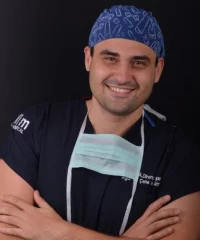
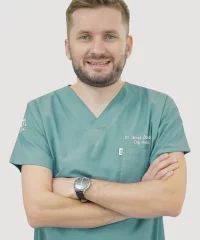
Dr. Ali Direnç Ulaşan – Oral and Maxillofacial Surgeon, Milim Dental Bursa

Have you had dental implants placed before, and have problems started to arise over the years?

Is your screw loosening, have your gums receded, are you aesthetically dissatisfied, or have you been told, "The bone has melted, implants won't hold anymore"?

Request a Free Treatment Plan from Our Expert Doctors

Thanks to current approaches in maxillofacial surgery and implantology, many seemingly "hopeless" implant cases can be salvaged through revision surgery. Furthermore, in some advanced cases, the problem of bone deficiency can be overcome with specialized options like zygomatic implants.

In this article, as Dr. Ali Direnç Ulaşan, an oral and maxillofacial surgeon practicing in Bursa at Milim Dental, we will address the following frequently asked questions in detail:

  1. Can I completely replace my old implants?
  2. In which situations should an implant be removed, and when should it be preserved?
  3. How is revision surgery planned, and what are its risks?
  4. If my bone loss is severe, can a zygomatic implant be an option for me?

1. Do Implants Have a Lifespan? Why Does the Need for Revision Arise?

Dental implants, when done with proper planning and good surgery, can be used without problems for many years—often decades. However, an implant is ultimately a structure that works by integrating with bone and soft tissue within a biological environment. Thus, it is affected by both oral conditions and the person's general health.

The main reasons necessitating revision surgery are:

  1. Gum Problems (Peri-implant Mucositis / Peri-implantitis):
  2. Inflammation of the gums around the implant.
  3. Bleeding, swelling, bad odor.
  4. Bone loss around the implant over time.
  5. Long-term Bone Resorption:
  6. Bone recession around an implant that was initially successful.
  7. Contributing factors: Smoking, poor oral hygiene, systemic diseases (like uncontrolled diabetes).
  8. Older Implant Systems and Aesthetic Problems:
  9. Implant-supported crowns placed 10–20 years ago that are aesthetically inadequate.
  10. Patients who say, "I want to change these old crowns now" as aesthetic smile design expectations increase.
  11. Trauma, Fracture, Wear:
  12. Fracture of the porcelain or zirconium crown on the implant.
  13. Loosening or fracture of the implant screws.
  14. Mechanical problems resulting from night grinding (bruxism).
  15. Incorrect Planning or Inadequate Surgical Applications:
  16. Implants placed at the wrong angle.
  17. Implants placed in areas with very thin bone.
  18. Incorrect distribution of chewing forces in full-arch prosthesis planning.

In such a scenario, while some implants can be preserved through treatment, for others, implant removal and revision surgery may be the only realistic solution.

2. Should Old Implants Be Removed at All Costs?

No. There is no rule that every problematic implant must be removed.

A detailed examination and radiological evaluation must be performed first. The steps we follow at Milim Dental can be summarized as:

  1. Clinical Examination:
  2. Status of the gum tissue around the implant.
  3. Measurement of pocket depths with a probe.
  4. Presence or absence of mobility.
  5. Radiological Examination (Panoramic film and preferably 3D CBCT – Tomography):
  6. Evaluation of the amount of bone loss around the implant.
  7. Relationship with anatomical structures like the sinus, nerve canal, and nasal floor.
  8. Measurement of bone thickness and height in the upper or lower jaw.
  9. Prosthetic Evaluation:
  10. Occlusion and load distribution of the implant-supported crowns or bridges.
  11. Harmony with the aesthetic smile line.
  12. Patient's Systemic Status and Oral Hygiene Habits:
  13. Diabetes, osteoporosis, rheumatological diseases, medications used.
  14. Smoking, night grinding, adherence to regular check-ups.

As a result of this evaluation, the outcome for some implants may be:

  1. Preservation of the system with peri-implant surgery + curettage + laser + regular maintenance.

And for others:

  1. Implant removal and bone regeneration in the area.
  2. In more severe cases with bone deficiency, zygomatic implants or other advanced surgical solutions may be considered.

3. How is Implant Removal Performed? Is it a Procedure to Be Feared?

Implant removal, when done with proper planning and the correct technique, is a controlled surgery. The goal here is to remove the implant while preserving the surrounding bone tissue as much as possible.

The main techniques that can be used are:

  1. Anti-rotation and Reverse Torque Techniques:
  2. Used especially for implants that are not fully integrated or have moderate stability.
  3. The implant is removed by applying reverse torque with special internal wrenches.
  4. Trephine Drills for Implant Removal:
  5. Bone and implant are removed together in a cylinder shape, slightly wider than the implant diameter.
  6. Bone grafting can then be applied to the defect area.
  7. Can be used especially for removing fractured implant bodies.
  8. Implant Removal with Piezosurgery:
  9. Piezosurgery allows us to make much more controlled incisions on the bone.
  10. In implants close to sensitive anatomical structures like nerves or sinuses, piezosurgery allows for much safer removal.

After implant removal, the bone condition in the area may be immediately suitable for a new implant, or the decision may be made to "create bone first, then place the implant." This depends entirely on the CBCT and your surgical observation.

As Dr. Ali Direnç Ulaşan in Bursa, in many cases, we control-remove old implants and redesign the patient's smile from scratch with new implants and digital planning, either in the same session or after a specific healing period.

4. The Most Critical Step in Revision Surgery: Digital Planning and 3D Evaluation

While decisions were once made only with panoramic films, today, thanks to CBCT (3D tomography) and digital planning software, we can:

  1. Measure bone thickness with micron precision.
  2. Clearly visualize structures like the sinus floor and the zygoma (cheekbones).
  3. Plan the position, angles, and lengths of the implants in a virtual environment.

This means that in revision surgery, we can:

  1. Remove the implant without unnecessary bone loss.
  2. If possible, place the new implant in a more ideal position in the same session.
  3. Perform a long-term simulation of chewing forces in patients planned for "full-arch implants + fixed teeth."

The fully digital workflow we use at Milim Dental makes revision surgery much more predictable, especially in patients who:

  1. Have undergone surgery multiple times before.
  2. Have tried many places but failed to achieve the desired result.
  3. Have bone loss and were told, "Implants are no longer an option for you."

5. Solution for Advanced Bone Loss: What are Zygomatic Implants?

Some patients come to us with statements like:

  1. "I have no bone left in my upper jaw; they only offer me a palate (removable denture)."
  2. "I had a sinus lift, and it failed; they said implants are impossible now."
  3. "Bone grafting was applied multiple times, but we got no results."

This is where a special type of implant called the zygomatic implant can come into play.

What is a Zygomatic Implant?

  1. While classic implants are placed into the alveolar bone of the upper jaw (maxilla),
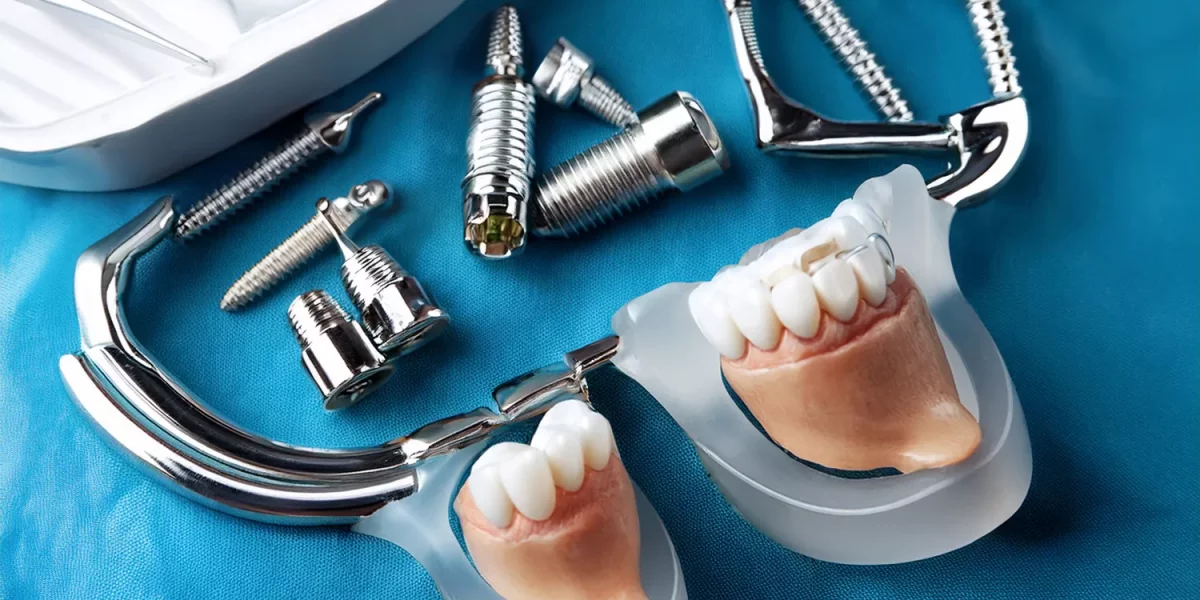
  2. Zygomatic implants are longer, specially designed implants anchored into the cheekbone (zygomatic bone).
  3. They re-offer the chance to make fixed teeth, especially for patients with severe bone loss in the upper jaw, those who have undergone multiple sinus surgeries, or those with previous failed implant experiences.

Who is it suitable for?

  1. Patients with severe bone resorption in the upper jaw.
  2. Cases where multiple implants have been lost, and bone recession is seen up to the sinus floor.
  3. Patients who were told, "Only a removable denture is possible for you" but do not want to give up fixed teeth.
  4. Individuals whose systemic condition allows for general surgery and whose bone quality is sufficient in the zygoma region.

Who might it not be suitable for?

  1. Patients with severe general health conditions unsuitable for major surgery.
  2. Cases with certain anatomical variations or pathology in the zygoma region.
  3. The decision is made after detailed clinical and radiological examination.

6. How are Zygomatic Implants Used in Revision Surgery?

Let's say in the upper jaw:

  1. You have old implants.
  2. Some of these implants are lost, some are infected.
  3. Operations have been performed in the sinus area, and your bone thickness has significantly decreased.

In this scenario, a classic approach of "repeat sinus lift + bone graft + standard implant again" might mean:

  1. Repeated long healing periods.
  2. Several surgical sessions.
  3. A vague process spanning years.

This is where the zygomatic implant comes into play in revision surgery:

  1. Removal of Old Implants:
  2. Infected or incorrectly positioned implants are carefully removed.
  3. Materials inside the sinus are cleaned, if necessary.
  4. 3D Evaluation of Existing Upper Jaw Bone and Zygoma Bones:
  5. The length, angle, and density of the zygoma bone are calculated with CBCT.
  6. The points where the zygomatic implants will be placed are planned in a virtual environment.
  7. Fixed Teeth Planning in a Single Session (All-on-4 / All-on-6 + Zygomatic Implant Combinations):
  8. In some cases, fixed teeth can be made with a combination of two zygomatic implants in the upper jaw + 2–4 classic implants in the anterior region.
  9. Thus, function and aesthetics can be achieved in a shorter time without classic bone grafting surgeries.
  10. Surgical Procedure:
  11. Can be performed under general anesthesia or deep sedation.
  12. It is preferred to be performed by an experienced oral and maxillofacial surgeon in a hospital setting.
  13. If adequate primary stability is achieved after the zygomatic implants are placed, temporary fixed teeth can be fitted on the same day or shortly thereafter (immediate loading concept).
  14. Healing and Final Prosthesis Process:
  15. The biological integration of the zygomatic implants with the bone is monitored for the first few months.
  16. Then, permanent fixed teeth, custom-designed for the individual, are prepared and screwed in.

In Bursa, as Dr. Ali Direnç Ulaşan at Milim Dental, we have numerous cases where we have been able to restore fixed teeth with the combination of revision surgery + zygomatic implants in patients who were previously told "it's impossible" multiple times and experienced unsuccessful attempts at different centers.

7. What are the Advantages of Revision Surgery?

A correctly planned revision surgery:

  1. Provides teeth that are more aesthetically harmonious with your face and smile.
  2. Functionally ensures better chewing and balanced load distribution.
  3. Facilitates long-term maintenance with designs that allow for easier hygiene.
  4. Especially in zygomatic implant combinations, fixed, screw-retained teeth can be offered to patients who were previously told they would be confined to a removable denture.

Psychologically, it is also important: Seeing a patient who was told "There is no solution for you anymore" being able to confidently bite and smile again is a great source of motivation for both the patient and the clinician.

8. Risks of Revision Surgery and Precautions

Like any surgical procedure, revision surgery has risks. Especially operations performed in areas like the sinus and zygoma require experience and a fully equipped team.

Possible risks:

  1. Swelling, bruising, temporary pain.
  2. Temporary complaints in the sinus area.
  3. Infection (rare).
  4. The necessity of additional surgeries in very advanced cases.

These risks can be minimized with detailed surgical planning, proper medication use, and regular check-ups.

Therefore, patients considering revision surgery must choose:

  1. A team experienced in oral and maxillofacial surgery.
  2. A clinician with case experience in implant and zygomatic implant procedures.

9. How Do We Answer the Question, "Is it suitable for me?"

Whether you live in Bursa or come from out of town, the process when you apply for revision surgery at Milim Dental usually progresses as follows:

  1. Detailed examination and panoramic film.
  2. CBCT (3D tomography) for bone analysis.
  3. Individual evaluation of your existing implants.
  4. Discussion of your expectations (aesthetics, function, time, budget).
  5. Creation of multiple treatment alternatives:
  6. Only wound control and maintenance.
  7. Revision with classic implants.
  8. An advanced plan involving zygomatic implants if needed.
  9. Clearly explaining the duration, cost, advantages, and disadvantages of each option.

After this stage, we proceed with a plan that we decide on together. Because this journey is a process that both the clinician and the patient walk through together.

10. Frequently Asked Questions (FAQ)

1) Can I have all my old implants removed and start from scratch?

Yes, it is possible in most cases. However, we do not remove every implant simply because it is "old." We first look at which implants can be preserved and which must be removed through detailed examination and CBCT. Some of your implants may be preserved while certain areas are completely revised.

2) Is revision surgery a very painful process?

The surgery itself is performed under local anesthesia, sedation, or general anesthesia; you will not feel pain during the procedure. Afterward, there may be mild-to-moderate pain, swelling, and bruising that can last for a few days. We usually manage this period quite comfortably with appropriate medication.

3) Can a zygomatic implant be applied to everyone?

No. A zygomatic implant is advanced surgery and is not necessary or suitable for every patient. It becomes a very valuable option, especially for patients with severe bone loss in the upper jaw, those who have undergone multiple sinus and implant attempts, and those who cannot use a removable denture. The suitability decision is absolutely made with 3D tomography and a detailed examination.

4) If I get a zygomatic implant, can I get my teeth on the same day?

In some patients, temporary fixed teeth can be fitted in the same session along with zygomatic implants (immediate loading). This decision is made based on the initial stability the implant provides in the bone, your overall bone quality, and the distribution of your chewing forces. It may not be possible for every patient, but it is a very comfortable solution in suitable cases.

5) I have undergone several unsuccessful implant and bone graft operations before; will I fail again?

Every case is unique. Past failures can stem from many reasons, such as planning errors, inadequate techniques, systemic conditions, or lack of maintenance. Modern approaches we use today, such as digital planning, piezosurgery, and zygomatic implants, increase the chance of success. However, there is no 100% guarantee in any treatment. The important thing is to clearly know the risks and embark on the journey with a realistic plan.

11. Conclusion: The phrase "Implants are no longer an option for you" is not always the final word.

If:

  1. You are dissatisfied with your old implants.
  2. You have complaints such as pain, swelling, gum recession, or bad odor around your implants.
  3. You were told, "The bone has melted, a removable denture is your only option."
  4. You have previously undergone several unsuccessful sinus and implant operations.

As Dr. Ali Direnç Ulaşan, an oral and maxillofacial surgeon in Bursa, and the Milim Dental team, we can evaluate revision surgery and, if necessary, zygomatic implant options for you.

With correct analysis, proper planning, and an experienced surgical team, many cases that were once considered impossible can now regain fixed teeth.

Remember: This article is for general informational purposes. The most accurate treatment plan for you will be finalized after an in-person examination and imaging. If you are wondering, "Can I replace my old implants, and are zygomatic implants suitable for me?" I would be happy to see you in my practice as an oral and maxillofacial surgeon.


Category: Implant

A Milim
Makes a Big Difference

Milim Dental Hospital is the first dental centre to receive the "Health Tourism Authorisation Certificate" issued by the Ministry of Health of the Republic of Turkey.
All Articles
Forget Dental in Antalya: Why International Patients Are Choosing Bursa for Dental Treatments
east

When it comes to dental tourism in Turkey, most people immediately think of Antalya. It’s a popular name, promoted heavily across Europe. But did you know that a growing number of international patients are now turning to Bursa for high-quality, more affordable, and uniquely personalized dental treatments?

Requirements for a Beautiful Smile: Hollywood Smile
east

Cosmetic dentistry includes elective dental procedures designed to improve the appearance of stained, uneven, misshapen, or discolored teeth, helping you achieve the beautiful smile you deserve. With aesthetic dental treatments, you can enhance the appearance of your teeth and reach the most suitable treatment for your needs.

Are Veneers Right for You? How to Determine If You’re a Candidate
east

Dental veneers can transform your smile, but they may not be for everyone. If you're considering veneers, it’s essential to know if you’re a good candidate. Learn about the ideal candidates, oral health requirements, and considerations to decide if veneers are right for you.

Why Patients
Choose Milim?

Milim Dental Hospital isn't just a clinic—it's where confident smiles begin. With a team of world-class specialists, advanced technology, and a patient-first approach, we turn dental care into a premium experience.
We prioritize hygiene, comfort, and tailor-made treatments designed just for you. Don’t just take our word for it—explore real stories from real patients.
Your perfect smile starts here. Join the Milim experience.
View All Experiences
play_arrow
Dt. İsmail Özkısaoğlu Dentist
Get a Free Consultation
play_arrow
Dr. Dt. Ali Direnç Ulaşan Oral, Dental, Maxillofacial Surgeon
Get a Free Consultation
play_arrow
Dr. Dt. Ali Direnç Ulaşan Oral, Dental, Maxillofacial Surgeon
Get a Free Consultation

Milim Dental Hospital provides comprehensive dental services in a spacious 1,000 m² facility, supported by a wide team of dental professionals including specialists in Oral and Maxillofacial Surgery, Prosthodontics, Orthodontics, Pediatric Dentistry, and Periodontology.

Our clinic is authorized by the Turkish Ministry of Health for International Health Tourism. This website is intended only for informing patients from abroad. It does not contain advertisements and complies with legal privacy regulations.
Milim Dental Hospital © 2025 - All rights reserved.

Have a Question on Your Mind?

English
Big Sale – Last Days for 20% Off!