Osteoporosis Medications and Tooth Extraction During Pregnancy
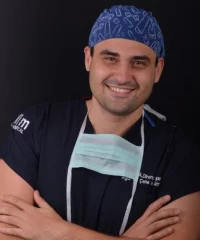
Dr. Ali Direnç Ulaşan – Oral and Maxillofacial Surgeon, Milim Dental Bursa
While tooth extraction may seem like a "minor procedure" in the eyes of most people, certain systemic diseases and medications can make this "minor" procedure more sensitive.
Specifically, two important topics require more careful planning for both the patient and the clinician:
Request a Free Treatment Plan from Our Expert Doctors
- Medications used for Osteoporosis (bone loss).
- Tooth extractions to be performed during Pregnancy.
As a surgeon specializing in oral and maxillofacial surgery in Bursa, I, Dr. Ali Direnç Ulaşan, and the Milim Dental team, frequently encounter the following questions in our daily practice:
- "I am taking medication for osteoporosis; is tooth extraction risky for me?"
- "I am pregnant, and my tooth hurts badly; can I have a tooth extracted right now, will it harm the baby?"
In this article, I will try to answer these questions in a language easily understandable to the public, without losing scientific basis.
1. "Is Tooth Extraction Risky if I Use Osteoporosis Medications?"
First, let's state this: Osteoporosis medications are vital treatments that, when correctly indicated, save lives and significantly reduce fracture risk.
However, some of these medications are associated with a rare but serious complication, especially in the jaw area: Medication-Related Osteonecrosis of the Jaw (MRONJ).
1.1. Which medications are we talking about?
The most well-known groups of drugs that we pay attention to in dentistry are:
- Bisphosphonates:
- Orally administered: Alendronate, Risedronate, Ibandronate, etc. Usually prescribed long-term for osteoporosis.
- Intravenously administered: Used in high doses and intervals, especially in cancer patients (bone metastasis, myeloma, etc.).
- Denosumab: An injectable drug that reduces bone breakdown. It can be used in low doses for osteoporosis and higher doses for cancer patients.
- Other Osteoporosis Medications: Agents like Teriparatide and Romosozumab have different risk profiles regarding jaw osteonecrosis, but we focus most heavily on bisphosphonates and denosumab.
While these drugs reduce bone breakdown to prevent fractures, in areas of rapid turnover like the jawbone, they can hinder healing after trauma (such as tooth extraction).
1.2. What is Jaw Osteonecrosis (MRONJ)?
Simply put: Jaw osteonecrosis is a condition where the blood supply to a part of the jawbone is impaired, and this area fails to regenerate itself, becoming dead bone.
The most concerning clinical picture for us in dentistry is:
- A wound that, after a tooth extraction or surgical procedure, the gum tissue cannot fully cover.
- Exposed bone tissue in the mouth that does not close and may become infected for weeks or even months.
Although this condition is relatively rare among millions of osteoporosis patients, if it develops, the treatment can be difficult and prolonged. Therefore, the important thing is to accurately answer the question: "Who has a high risk, and who has a low risk?"
1.3. Who has a higher risk?
In a general framework:
- Patients using high-dose intravenous (IV) bisphosphonates or denosumab due to cancer.
- Those taking long-term corticosteroids in addition to osteoporosis treatment.
- Those using more than one drug affecting bone metabolism simultaneously.
- Those with poor oral hygiene, smoking, uncontrolled diabetes, or other additional risk factors.
These individuals are in the higher-risk group for this complication.
The risk is generally lower—but not zero—in patients who only use oral tablet bisphosphonates for osteoporosis, have been under treatment for less than 4 years, and have no additional risk factors.
1.4. "I'm taking medication, so I can't have a tooth extracted?"
No, there is no such prohibition. But there is also no "one-size-fits-all prescription."
In my oral and maxillofacial surgery practice in Bursa, as Dr. Ali Direnç Ulaşan, my approach is as follows:
- Detailed questioning of drug history: Which medication are you using? For how long? At what dose, and how often? Was it prescribed for cancer or osteoporosis?
- Communication with the prescribing doctor (Endocrinology, Physical Therapy, Oncology, etc.): If necessary, a written consultation is requested. This is an exchange of information like, "We are considering tooth extraction in this patient; what is your opinion regarding risk and drug management?"
- Detailed intraoral examination and radiological review (Panoramic + CBCT if necessary):
- Bone structure around the tooth to be extracted.
- Are there alternative treatment possibilities (root canal, restoration)?
- Is it possible to avoid multiple traumatic procedures in the same session?
- Creating a treatment plan based on a risk-benefit balance:
- In some low-risk osteoporosis patients, tooth extraction can be performed with atraumatic techniques and a good follow-up plan.
- In high-risk patients, the aim is to:
- Save the tooth with root canal or restoration whenever possible.
- If extraction is mandatory, perform the procedure in a hospital setting, with antibiotic coverage and very delicate surgery.
Important: Do not stop your medication on your own. Quitting your osteoporosis treatment because "my dentist said so" can expose you to other serious risks like hip or vertebral fractures. Any change related to the medication must be planned in consultation with the prescribing doctor.
1.5. What can we do to minimize the risk of jaw osteonecrosis?
- Dental check-up before starting medication: If you know you will start osteoporosis treatment, seeing a dentist/oral surgeon before starting the medication is a major advantage. Any detected cavities, periodontal disease, or problematic impacted teeth are treated, and necessary extractions are completed during this period, minimizing the need for surgery while on the medication.
- Maximum attention to oral hygiene: Regular brushing, flossing, interdental brushes, regular dental cleaning, and check-ups, and quitting smoking. Less inflammation means less surgical need and less risk.
- Atraumatic surgery and good wound closure: If tooth extraction is necessary: Avoiding unnecessary trauma to the bone, if possible, removing the roots piece by piece to preserve bone, smoothing the extraction socket, and covering it with a well-vascularized, tension-free gum flap, and using supportive methods like PRF, all help reduce the risk of jaw osteonecrosis.
- Close follow-up: The area is regularly controlled after the procedure, sutures are removed promptly, and early intervention is made if there is any suspicious healing problem.
1.6. Summary: "I use osteoporosis medication, what should I do?"
These medications are beneficial and necessary for most patients; do not stop them on your own. If tooth extraction is needed, be sure to tell your oral surgeon your complete medication and medical history. If necessary, we will evaluate you in coordination with the doctor who manages your medication. With proper planning and atraumatic techniques, many patients can be treated without complications.
2. "Can I Have a Tooth Extracted While Pregnant? Which Period is Safe?"
One of the most frequent statements I hear from expectant mothers during pregnancy is: "My tooth hurts so much, but I can't take any medication or have a tooth extracted because I'm afraid it will harm the baby..."
The biggest problem here is that uncontrolled pain and infection can also harm the baby. Therefore, the goal should not be to say, "Let's do nothing, it will pass anyway," but rather: "Let's perform the necessary intervention at the right time and in the safest way."
2.1. Why might oral and dental health decline during pregnancy?
During pregnancy:
- Hormonal changes.
- Differences in eating habits (frequent snacking, night eating).
- Neglect of tooth brushing due to morning sickness.
These factors can lead to an increase in dental caries and gum problems. A condition we call "pregnancy gingivitis," which presents with swollen, bleeding, and sensitive gums, is quite common.
Therefore, if pregnancy is planned, ideally:
- Detailed dental check-up before pregnancy.
- Cleaning of cavities and dental calculus.
- Necessary fillings and extractions should be done during this period.
This is highly valuable.
2.2. Trimester-Based Approach: Which Period is Safer?
Pregnancy is divided into 3 main periods (trimesters):
- 1st Trimester (Weeks 0–12)
- 2nd Trimester (Weeks 13–27)
- 3rd Trimester (Week 28 and onwards)
General Principle: Non-emergency, postponable procedures should be done in the 2nd trimester if possible. In the 1st and 3rd trimesters, non-essential procedures are postponed as much as possible, but emergencies like severe infection must be treated at any time.
2.3. Tooth Extraction in the 1st Trimester
The 1st trimester is the critical period when the baby's organs are forming. Therefore:
- Planned aesthetic procedures and lengthy treatments are postponed as much as possible.
- However, if there is a severely painful, infected, or abscessed tooth, postponing treatment for 3 months can be risky for both the mother and the baby.
Thus: Necessary emergency tooth extractions can also be performed in the 1st trimester, but the decision must be made by the joint evaluation of the dentist/oral surgeon and the obstetrician.
2.4. 2nd Trimester: The Safest Window
The 2nd trimester is considered the safest period for dental treatments. During this time:
- Procedures like fillings, root canal treatment, dental calculus cleaning, and tooth extraction can be performed more comfortably and safely if deemed necessary.
- The expectant mother is more tolerant of lying in the chair for extended periods compared to the first trimester, and the shortness of breath and discomfort seen in the 3rd trimester are not yet significant.
Therefore, if a procedure is to be performed during pregnancy, the 2nd trimester is often the ideal time frame for planned interventions.
2.5. Tooth Extraction in the 3rd Trimester
In the 3rd trimester:
- The mother's belly is larger.
- Lying on the back for long periods becomes difficult.
- Some positions can cause discomfort or shortness of breath.
- Planned procedures are usually left until after delivery to avoid increasing the risk of premature birth.
But we come back to the same point: Severe pain, widespread infection, fever, and conditions that impair chewing and nutrition must be treated without delay.
If tooth extraction is required during this period:
- The chair position is adjusted appropriately for the mother and baby (e.g., a slight left-side tilt).
- The procedure is kept as short and comfortable as possible.
- Planning is made, if necessary, by communicating with your obstetrician on the same day.
2.6. Local Anesthesia, X-rays, Medications: Will they harm the baby?
- Local Anesthesia: Most local anesthetics used in pregnancy (e.g., lidocaine, articaine) are considered safe in appropriate doses. The lowest effective dose is used to avoid unnecessary drug use, and its effect is regional, with limited systemic impact.
- X-ray: X-rays are not taken unless necessary. If mandatory, a lead apron (especially protecting the abdomen and thyroid area) is used. Digital X-rays involve a much lower radiation dose than classic films. So, there is no rigid rule of "never take an X-ray," but they are taken with a risk-benefit analysis, minimized in number, and with maximum protection.
- Painkillers and Antibiotics: There are medications that can be used and those that should be avoided during pregnancy. For example, paracetamol is generally considered the first-choice painkiller, while some other painkillers are avoided, especially in the 3rd trimester. Suitable options for antibiotics in terms of pregnancy category are also available (e.g., amoxicillin, clindamycin in some cases). The important thing here is that the medications are evaluated and prescribed jointly by your dentist/oral surgeon and your obstetrician.
2.7. What is our approach to tooth extraction during pregnancy?
When a pregnant patient comes to Milim Dental with severe tooth pain or infection:
- We take a detailed history first: What week are you in? Do you have a history of miscarriage or premature birth? What medications do you take during pregnancy, and what are your other conditions?
- We communicate with your obstetrician: We inform them about the planned procedure and necessary medications and get their approval.
- We plan the procedure in the 2nd trimester if possible: But if there is a severe infection and pain, we approach it as an emergency intervention regardless of the trimester.
- We aim for short, comfortable, and safe surgery: We keep the local anesthesia and procedure time at the optimal level, avoid unnecessary trauma, and select the painkillers and antibiotics to be used afterward within safe limits for pregnancy.
2.8. Frequently Asked Questions (FAQ)
- Wouldn't it be better not to have any tooth extractions while pregnant?
- I wish all treatments were completed before pregnancy, yes. But carrying a painful and infected tooth for months can be risky for both the mother and the baby. The important thing is to do the necessary intervention at the right time and in the right way.
- Will local anesthesia harm my baby?
- Anesthetics used in dental treatments during pregnancy are generally considered safe when administered in appropriate doses and with the correct technique. The real problem can be the severe pain and accompanying stress endured to "avoid anesthesia," sometimes leading to uncontrolled use of painkillers.
- Can I have a tooth extracted while breastfeeding?
- Yes, it can often be done safely. However, attention must again be paid to the compatibility of the medications used (especially painkillers and antibiotics) with the breastfeeding period. Your doctor may recommend a short interval for pumping and discarding breast milk for certain medications.
- Can I have implants while pregnant?
- Generally, no. Planned implant surgery is deferred until after childbirth. The priority during pregnancy is infection control and pain relief. Aesthetic and planned surgical procedures are evaluated for the most suitable time after birth, according to the special circumstances of the breastfeeding period.
3. Conclusion: Your Medications and Pregnancy Must Be Known for Safe Dental Surgery
In summary:
- Osteoporosis medications (bisphosphonate, denosumab, etc.) require special attention in terms of oral surgery; do not quit them on your own, but be sure to inform your dentist.
- Tooth extraction during pregnancy is not "never permissible"; on the contrary, it should be done when necessary to control infection. The important factor is the right trimester, the right anesthesia, the right drug choice, and coordination with your obstetrician.
As Dr. Ali Direnç Ulaşan and the Milim Dental team, specializing in oral and maxillofacial surgery in Bursa, our goal is to evaluate your general health, oral and dental health, and your systemic medications and pregnancy status as a whole to create the safest treatment plan for you.
If you are thinking:
- "I am taking osteoporosis medication and need a tooth extracted, what should I do?"
- "I am pregnant, my tooth hurts badly, can I have it extracted?"
Coming for an examination for a personalized surgical plan suitable for you will be the healthiest decision.